
West Virginia Crash Claims
Building the Evidence Behind a Crash Claim in West Virginia
A plain-language look at the records, witness accounts and physical proof that can matter when fault is disputed.
Published November 22, 2026
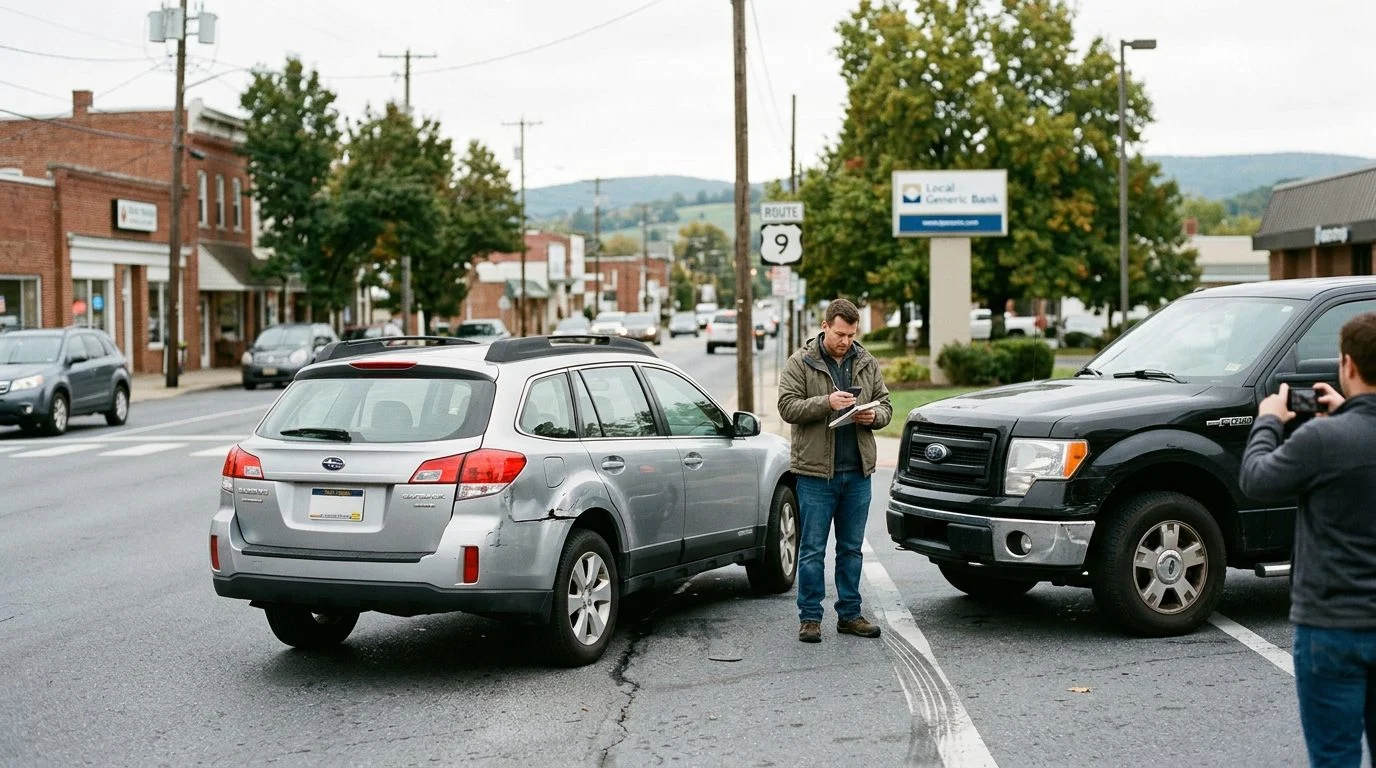
After a serious crash, many people want to know whether the other side was entirely to blame. After a crash, many people want to know who was at fault, and the answer usually depends on evidence gathered from several sources, not from one photo or one report.
The proof that matters shows how the crash happened and how fault was divided among everyone who contributed. Each record helps answer one part of that picture.
What “100% liability” usually means in a crash claim
In a West Virginia claim, “100% liability” describes how all the fault is split, not one driver’s share alone. Under W. Va. Code § 55-7-13a, the fault percentages for one incident must total either zero or one hundred percent.
That means a crash can involve several people. These may include another driver, a trucking company, or a vehicle owner.
Your own role counts too. West Virginia’s rule generally bars recovery only if your fault is greater than the combined fault of everyone else (W. Va. Code § 55-7-13c). If your fault is less, your recovery is reduced by your share. The exact effect depends on the facts of your crash.
The goal of evidence is to show how the crash unfolded. It is not to hit a set percentage on day one.
If you're gathering records after a crash that left someone you love hurt or gone, you don't have to sort out the proof alone. You can reach out for a free case review. Talk it through with Big Bubba — the first case review is free, confidential, and carries no obligation.
The standard of proof in West Virginia negligence cases
The person bringing a claim carries the burden of proving fault. Under W. Va. Code § 55-7-13d, the burden of alleging and proving comparative fault rests on the person who seeks to establish it.
That burden shapes how you gather evidence. Proof has to exist before it can be used. Records that are lost or changed early can be hard to rebuild later.
Fault can also fall on people who are not in the lawsuit. The same section provides that a nonparty’s fault may be considered if the plaintiff entered into a settlement agreement with the nonparty or if a defending party gives notice no later than one hundred eighty days after service of process upon said defendant that a nonparty was wholly or partially at fault, and the statute sets other conditions, including that the notice be filed with the court and served upon all parties to the action.
In general terms, a negligence claim needs evidence that links someone’s fault to the injury. Each type of record below can help build that link.
Police and crash reports
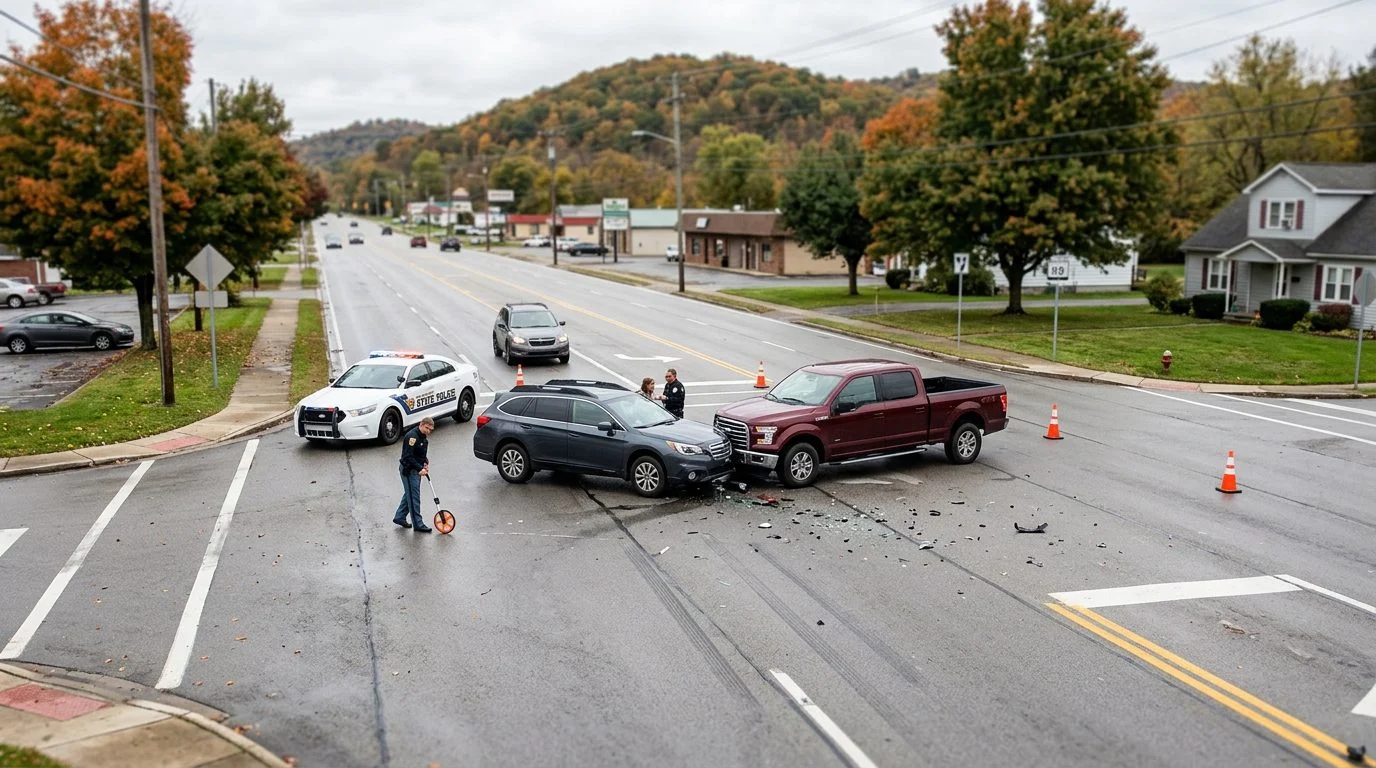
A police crash report is often the first official record of how a crash was investigated. Under W. Va. Code § 17c-4-7, an officer who investigates a crash occurring on the public streets or highways of this state must prepare a report when the crash causes bodily injury, death, or total property damage to an apparent extent of $1,000 or more.
The report is due within 24 hours after the investigation is complete; if the investigation cannot be completed within 10 days of the crash, a preliminary report is due to the Division of Highways on the 10th day after the crash. Reports usually include a scene diagram, the officer’s notes, and driver and witness details. The statute also requires the officer to share owner, operator, and insurance information with the other parties, on request, within 24 hours.
A report is one source of evidence, not the final word. The officer may not have seen the crash itself. If the investigation cannot be completed within 10 days of the crash, a preliminary report goes to the Division of Highways on day ten, and the final report must be submitted within 24 hours of completing the investigation.
Ask the investigating agency for its report and write down the report number. That gives you a starting point for the rest of the file.
Physical and scene evidence
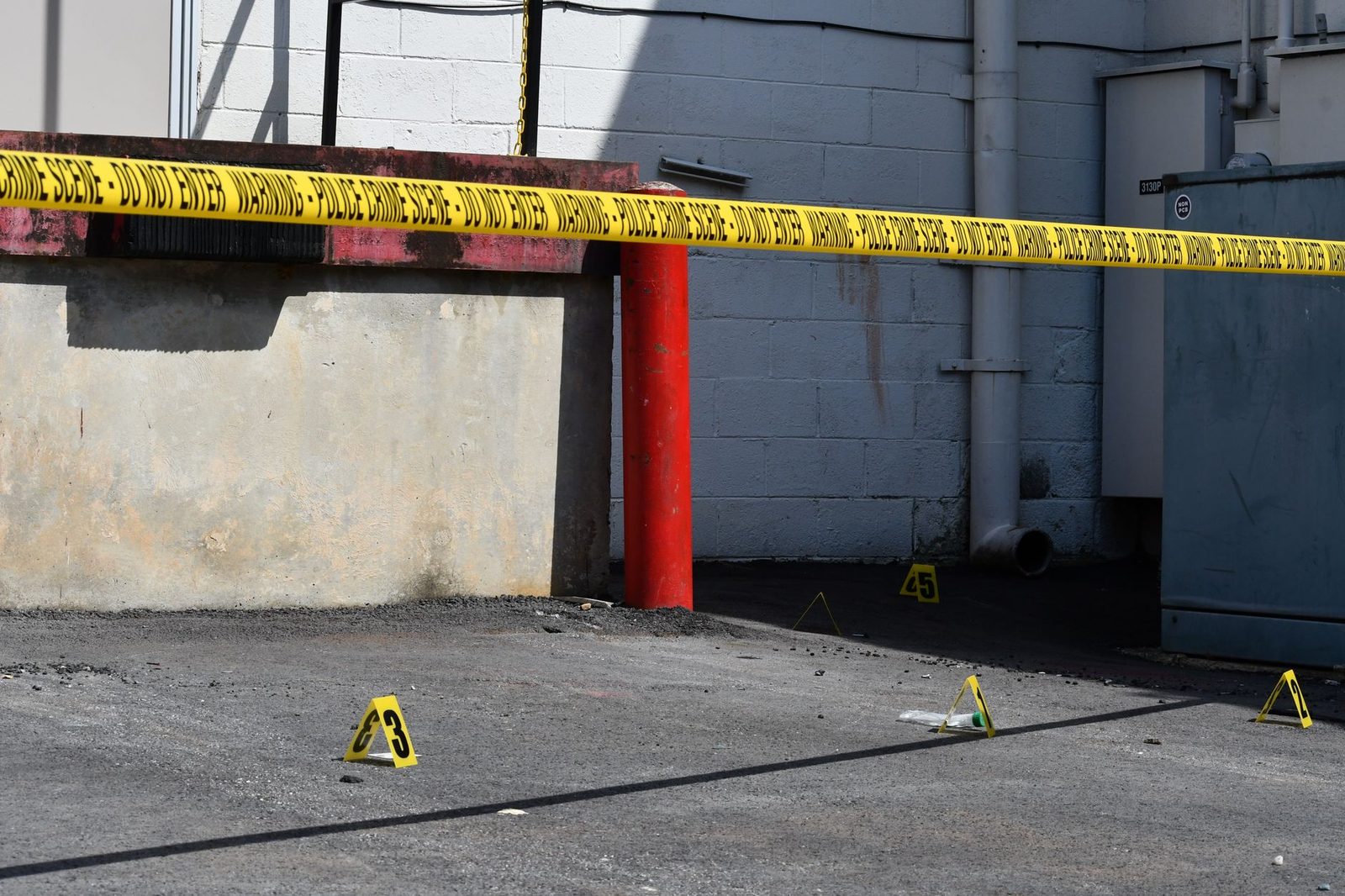
Physical evidence shows where the vehicles stopped and what the road looked like. Photos and video of the scene help show it before anything changes. Skid marks, debris, final rest positions, traffic signals, signs, and weather can all matter.
Many newer vehicles may store data about speed and braking in an event data recorder. Badly damaged vehicles are often repaired, sold, or sent to a salvage yard. A written request to keep the vehicle can help protect that data.
Timing details also help. The time of the crash, the time of the first 911 call, and the time emergency crews arrived can show how events unfolded. Write these down while memory is fresh.
One mistake to avoid is letting the damaged car leave your control before anyone has documented it. Photos taken by you, with dates, are useful even if others also took pictures.
Witness statements, video, and phone records
Independent witnesses may have seen the moments before a crash. Their statements are more useful when they are recorded close in time to the event, while details are still clear. Get names and phone numbers at the scene if you can.
Video can be some of the strongest evidence. Dashcam footage, business cameras, and traffic cameras may show the lead-up to a crash. Some systems overwrite old footage on a schedule, so a request should go out quickly.
Phone records can matter when distraction is an issue. West Virginia’s Electronically Distracted Driving Act limits texting and phone use by drivers. A violation of that law may be relevant to a claim, depending on the facts.
Commercial truck and commercial vehicle evidence
Commercial carriers keep records that can show driving hours, maintenance, and driver history. Federal hours-of-service rules at 49 C.F.R. § 395.8 generally require drivers of commercial motor vehicles to keep a record of duty status for each 24-hour period.
Under 49 C.F.R. § 395.26, an electronic logging device automatically records the date, time, commercial motor vehicle geographic location, engine hours, vehicle miles, vehicle identification data, motor carrier identification data, and driver or authenticated user identification data, except during authorized personal use, when engine hours and vehicle miles will be left blank and location is recorded at a single decimal point resolution. See 49 C.F.R. § 395.26. See 49 C.F.R. § 395.8.
A driver qualification file must be kept while the driver is employed and for three years afterward. See 49 C.F.R. § 391.51. See 49 C.F.R. § 379.3. That is why an early written request to preserve records matters.
Post-accident drug and alcohol testing also has time limits. Under 49 C.F.R. § 382.303, testing is required only after certain crashes, such as a fatal crash or a crash where the driver is cited and someone is injured or a vehicle is towed; if a required alcohol test is not given within two hours, the employer must record why. Attempts stop after eight hours. For controlled substances, attempts stop after 32 hours.
Trucking companies and their insurers may send their own investigators to the scene quickly.
Not sure what your next step is?
Talk it through with Big Bubba — the first case review is free, confidential, and carries no obligation.
Medical records, damages proof, and what to do now
Medical records help connect injuries to the crash. They document the first treatment, the diagnoses, and the timeline of care. For serious injuries, this record is central.
The Christopher & Dana Reeve Foundation notes that trauma such as car accidents can cause spinal cord injury. It also explains that injuries are described as complete or incomplete.
Keep a written log of symptoms, missed work, and expenses. Save receipts, bills, and pay stubs in one place.
Be careful with insurers early on. Some insurers may dispute a claim, so think carefully before giving a recorded statement.
Frequently asked questions
Does a police report decide who was at fault?
A report is one source of evidence, and the officer may not have seen the crash. Other records can point in a different direction.
Can I recover if I was partly at fault?
West Virginia’s rule generally allows recovery unless your fault is greater than everyone else’s combined. Your recovery is reduced by your share.
How long do truck companies keep driver logs?
Federal minimums vary by record type.
For the wider picture of crash and wrongful death claims, read crash and wrongful death claims in West Virginia. We serve injury victims and families across West Virginia, including Charleston, Huntington, and Morgantown. If you’re sorting through this while caring for someone hurt or grieving a loss, you can reach out for a free case review. We can talk through your facts and the evidence that may still be available.