
Wrongful Death | West Virginia
When a Loved One Dies in a Crash
Understanding damages and your family's legal options after a fatal car or truck accident.
Published October 02, 2026
What Damages Can I Recover in a Wrongful Death Claim in West Virginia?
When someone dies as a result of another person’s negligence or wrongful act, surviving family members may recover certain financial losses through a wrongful death claim under West Virginia Code § 55-7-5. The law recognizes specific categories of damages—but there’s no fixed payout, and each case depends entirely on its own facts.
If you’re researching this because you’ve lost a loved one in a car or truck crash, you’re likely in unfamiliar legal territory during an already difficult time. This page explains what damages the law allows you to pursue, how they’re calculated, and what to expect as you consider your options.

If you've lost someone in a crash, reach out now to understand your options. Talk it through with our team — the first case review is free, confidential, and carries no obligation.
Understanding Wrongful Death Damages in West Virginia
Under West Virginia law, a wrongful death claim is brought by the deceased person’s personal representative, and the damages may be distributed to the surviving spouse and children (including adopted children and stepchildren), brothers, sisters, parents and any persons who were financially dependent upon the decedent. The statute defines the categories of damages available—but it does not set a dollar amount, predict what your case is worth, or guarantee any outcome.
Damages are meant to compensate the family for real, measurable losses caused by the death. These losses fall into two main groups: economic (money out of pocket) and non-economic (harder to measure, but still real). The specific damages your family may pursue depend on who the deceased was, what they provided to the family, and the circumstances of the death.
What Damages Can Be Recovered in a Wrongful Death Claim?
Under West Virginia law, surviving family members may recover the following categories of damages:
Medical and Funeral Expenses
The estate can recover reasonable costs for emergency medical care, hospitalization, and treatment provided before the person’s death. This includes ambulance services, emergency room care, surgery, and ongoing treatment. Funeral and burial (or cremation) expenses are also recoverable, as long as they are reasonable and necessary.
Lost Wages and Earning Capacity
If the deceased was employed or had the ability to earn income, the family may recover the wages and benefits the person would have earned had they lived. This is calculated over the deceased’s expected working life, taking into account their age, education, job history, and earning potential. In cases involving younger people or those with significant earning capacity, this category of damages can be substantial.
Loss of Support to Family Members
The law recognizes that surviving spouses, children, and parents often depend on the deceased’s financial support. The family may recover the financial support the deceased would have provided—groceries, housing costs, utilities, insurance, and other necessities—over the period the deceased would have been alive to provide it.
Loss of Companionship and Services
Beyond money, the law compensates for the loss of the relationship itself. This includes loss of companionship, comfort, guidance, advice, and the household services the deceased performed (cooking, cleaning, childcare, yard work, and similar contributions). This damage recognizes that a parent, spouse, or child is irreplaceable, and the family’s loss is real even though it’s not easily priced.
Pain and Suffering of the Deceased
In some cases, such as where the deceased had filed suit before death, the action may be revived in the name of the deceased’s personal representative, who may recover the deceased’s own pain and suffering between the injury and death under W. Va. Code § 55-7-8.
Punitive Damages
Where clear and convincing evidence shows the at-fault party acted with actual malice or a conscious, reckless and outrageous indifference to the health, safety and welfare of others, the court may award punitive damages—additional money meant to punish the wrongdoer and deter similar conduct in the future. Punitive damages are not awarded in every case and require proof of conduct that goes beyond ordinary negligence.
How Much Do Wrongful Death Lawsuits Pay Out?
There is no fixed amount or average payout in wrongful death cases. The value of any claim depends on many factors unique to your family’s situation.
Factors That Affect Claim Value
The deceased’s age, income, health, and life expectancy all matter. A young person with decades of earning potential ahead will have a higher claim value than an elderly person. The deceased’s actual income or earning capacity is central to calculating lost wages and support. The size and composition of the surviving family—a spouse and three young children will have different needs and losses than a surviving parent—affects the amount of support the family lost.
The strength of the evidence of negligence and causation also matters. Clear proof that the other party was at fault and that their conduct directly caused the death strengthens the claim. The specific circumstances of the death—whether it resulted from a single-vehicle crash, a multi-vehicle collision, a commercial truck accident, or another scenario—influence both liability and damages.
Why There’s No Average
Each wrongful death claim is unique. Settlement amounts and jury awards vary widely because no two families or accidents are identical. An attorney cannot tell you in advance what your case is “worth” without investigating the accident, understanding your family’s situation, and analyzing the evidence. Anyone who promises a specific outcome or dollar amount is not being truthful.
Who Receives the Wrongful Death Compensation?
The personal representative of the deceased’s estate, often named in the will or appointed by the court, generally files the wrongful death claim, though exceptions may apply.
Surviving spouses, children, and parents are generally among the primary beneficiaries, and how compensation is divided can depend on the deceased’s will and on whether other eligible family members survive, though exceptions may apply. An attorney can explain how compensation would be divided in your family’s specific situation based on West Virginia law and your family’s structure.
Not sure what your next step is?
Talk it through with our team — the first case review is free, confidential, and carries no obligation.
Survival Actions vs. Wrongful Death Claims
It’s important to understand the difference between two related but distinct types of claims.
A survival action may allow recovery for the deceased’s own pain and suffering from the time of injury until death in some cases, such as where the deceased had filed suit before death. This claim belongs to the deceased’s estate and compensates for what the deceased experienced.
A wrongful death claim allows recovery for losses suffered by surviving family members—their loss of support, companionship, and services. This claim is brought by the deceased person’s duly appointed personal representative for the benefit of the surviving family members.
When someone dies from injuries caused by negligence, both types of claims may be pursued in the same lawsuit. The distinction affects which damages are available and who receives the compensation. We can generally pursue both claims when the facts support them.
What Are the Typical Grounds for a Wrongful Death Claim?
A wrongful death claim requires proof that the death resulted from another person’s negligence, recklessness, or intentional misconduct. In car and truck crashes, common grounds include:
- Speeding or excessive speed for conditions
- Distracted driving (texting, phone use, eating)
- Impaired driving (alcohol or drugs)
- Failure to maintain the vehicle (brakes, tires, steering)
- Violation of traffic laws or safety regulations
- Reckless or aggressive driving
- Fatigue or falling asleep at the wheel
- Failure to yield the right of way
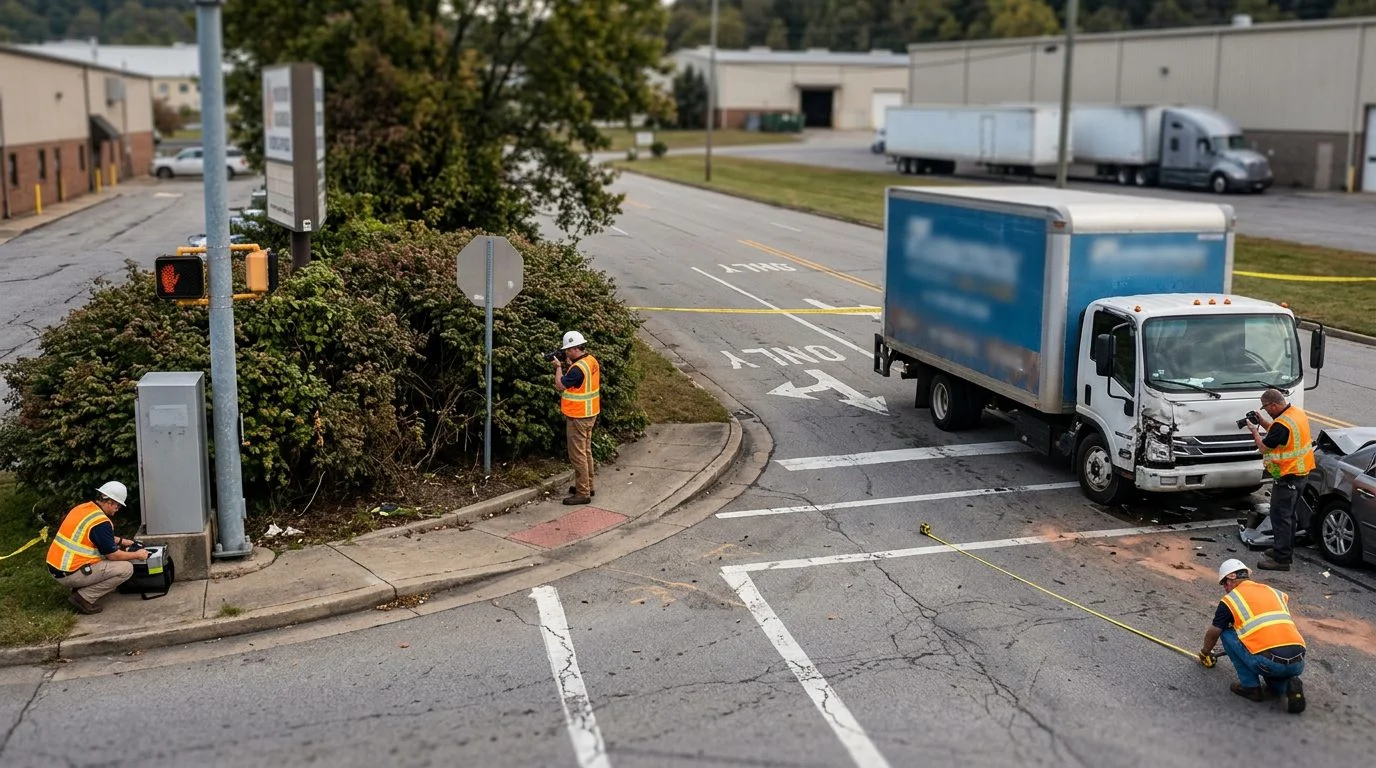
The at-fault party’s conduct must have directly caused the accident and the death. An attorney investigates the accident scene, obtains police reports, interviews witnesses, reviews medical records, and gathers other evidence to establish negligence and causation.
What Is the West Virginia Wrongful Death Statute?
West Virginia Code § 55-7-5 creates the wrongful death cause of action, and § 55-7-6 governs who brings the claim, how damages are distributed, and what damages are recoverable. Section 55-7-5 makes the person or corporation that would have been liable if death had not ensued liable to an action for damages when a death is caused by wrongful act, neglect, or default.
Section 55-7-6 specifies who brings the claim and what damages are recoverable, though its list of damage categories is not exclusive. Damages must be proven with evidence. There are strict deadlines for filing a wrongful death claim in West Virginia. Consulting an attorney early protects your rights and ensures you don’t miss critical deadlines.
What Are the Odds of Winning a Wrongful Death Lawsuit?
The outcome of any wrongful death case depends on the specific facts, evidence, and circumstances. Success is never guaranteed, and no attorney can predict the result of your case.
Strong evidence of negligence, clear causation (proof that the negligence caused the death), and well-documented damages are generally important factors in evaluating a wrongful death claim. Weak evidence, disputed liability, or difficulty proving damages make recovery less likely. An attorney can evaluate the strength of your claim based on the evidence available and discuss what that evaluation means for your situation.

Have questions about what happened?
Ask our team directly. The first conversation is free, confidential, and there is no obligation to continue.
Next Steps: Getting Help with Your Wrongful Death Claim
If you’ve lost a loved one in a car or truck crash in West Virginia and believe someone else’s negligence was responsible, you may have a wrongful death claim. Understanding what damages may be available is an important first step, but each case is unique and requires careful investigation and legal analysis.
Families in your situation can reach out to discuss what happened, to learn whether a claim is possible, and to understand their options without pressure or obligation. Our team can review the facts of your case, explain how West Virginia law applies, and help you decide what makes sense for your family.
Contact Big Bubba for a free case review. Tell us what happened, and we’ll listen.
Big Bubba represents families in wrongful death claims across West Virginia, including cases arising from car accidents, commercial truck crashes, and catastrophic injuries. This page is for informational purposes and does not constitute legal advice. No attorney-client relationship is formed by reading this page or contacting the firm.
Categories of Damages Under West Virginia Law
Economic Losses
Medical and funeral expenses, lost wages the deceased would have earned, and loss of financial support the family depended on.
Non-Economic Losses
Pain and suffering of the deceased before death, loss of companionship, guidance, and emotional support to surviving family members.
Punitive Damages
Punitive damages may be awarded only if it is established by clear and convincing evidence that the wrongdoer acted with actual malice or a conscious, reckless and outrageous indifference to the health, safety and welfare of others (W. Va. Code § 55-7-29).
No Fixed Formula
Each wrongful death case is unique. Damages depend on the deceased's age, earning capacity, family relationships, and the specific circumstances of the death.
Time Matters
West Virginia law sets strict deadlines for filing a wrongful death claim. Waiting too long can cost your family the right to pursue compensation. If you've lost someone in a crash, reach out now to understand your options.
How Big Bubba Handles Your Case
We Listen to Your Story
You tell us what happened. We ask the hard questions to understand your loss and build a clear picture of the wrongdoing that caused it.
We Investigate Thoroughly
We gather evidence, interview witnesses, review accident reports, and consult medical professionals to establish liability and document damages.
We Handle the Legal Work
From filing the claim through settlement or trial, we manage every step so your family can focus on healing.
We Stay in Touch
You'll know where your case stands. We answer your questions and keep you informed throughout the process.
Common Questions About Wrongful Death Claims
Who Can File a Wrongful Death Claim?
West Virginia law generally requires that the claim be brought by the deceased’s duly appointed personal representative, and surviving family members may share in any recovery, though exceptions may apply. The specific rules depend on your family structure and the estate's status.
What If the Other Driver Was Uninsured?
You may still have options. Uninsured motorist coverage, your own insurance, or other liable parties in the accident may provide a source of recovery.
How Long Does a Wrongful Death Case Take?
Every case moves at its own pace. Some settle quickly; others require investigation and negotiation. We work toward resolution while protecting your family's interests.
What About Attorney Fees?
We work on a contingency basis: you pay no attorney fees unless there is a recovery. Court costs and case expenses are your responsibility.