
West Virginia Wrongful Death Law
Understanding West Virginia's Wrongful Death Statute
A plain-language overview of how the law generally works for families who have lost a loved one, and how our team can help you understand your situation.
Published October 16, 2026
The WV wrongful death statute generally makes a person or company whose wrongful act, neglect, or default causes a death liable for damages, even though the injured person has died. Under W. Va. Code § 55-7-5, the responsible person or company may generally be liable for damages even after the injured person dies. This guide explains the basics in plain language. Exceptions may apply, and every case turns on its own facts.
What the West Virginia Wrongful Death Statute Is
A wrongful death claim is a civil lawsuit for money damages. The statute generally applies when a death is caused by another party’s wrongful act, neglect, or default. Generally, one question is whether the person who died could have sued for their own injuries had they lived, and the answer depends on the facts. If so, the same questions of fault and cause generally carry over to the wrongful death case.
A wrongful death case is separate from any criminal charge. It asks about civil damages, not criminal guilt. Whether the statute fits a particular death turns on how the death happened and who was involved. Exceptions may apply.
A death that follows a catastrophic injury can also raise these questions. The answer depends on the facts of that death and that injury.

Not sure what your next step is?
Talk it through with our team — the first case review is free, confidential, and carries no obligation.
Who May Bring a Wrongful Death Claim
Generally, the claim is brought by the personal representative of the deceased person’s estate. The statute says the action is brought “by and in the name of the personal representative” who has been duly appointed. W. Va. Code § 55-7-6 sets out this rule.
Any money recovered then goes to the beneficiaries. The statute names a surviving spouse, children (including adopted children and stepchildren), brothers, sisters, and parents. It also covers people who were financially dependent on the person who died. The jury or court may direct how the damages are split among them.
What about a husband’s death and a wife’s rights? A surviving wife is generally among the people the statute names. Her share and the process can vary with the family situation, the estate, and any other claimants.
Naming the right personal representative early can matter. That person generally holds the authority to bring the claim.
Time Limits: Deadlines Under the Statute
Generally, a wrongful death action must be brought within two years after the person’s death. W. Va. Code § 55-7-6 states this period. Exceptions may apply, and the rules that affect the start point can turn on the facts.
Missing a deadline may affect the ability to bring the claim at all. Funeral arrangements, estate paperwork, and grief can make dates easy to lose track of. Write down the date of death and keep it with the crash or medical records.
If you are unsure how these time limits apply to your situation, reviewing the facts may help you understand which options could be relevant.
What a Family May Be Able to Pursue
A wrongful death verdict may generally include several categories of damages. The statute lists them, and the jury must report some amounts separately. W. Va. Code § 55-7-6 describes these categories:
- Sorrow, mental anguish, and solace, including society, companionship, comfort, guidance, and advice.
- Reasonably expected loss of the deceased person’s income.
- Reasonably expected loss of the services, protection, care, and assistance the person provided.
- Expenses for care, treatment, and hospitalization tied to the injury that led to the death.
- Reasonable funeral expenses.
The jury reports medical, hospital, and funeral amounts separately from the other categories. Which categories apply, and how each is proven, varies with the facts, the family relationships, and the evidence.
Bills, funeral receipts, pay records, and family history may be potentially relevant to how losses are shown. Losses that are hard to measure, such as guidance and companionship, are still named in the statute.
Have questions about what happened?
Ask our team directly. The first conversation is free, confidential, and there is no obligation to continue.
Wrongful Death in Car, Truck, and Commercial Vehicle Crashes
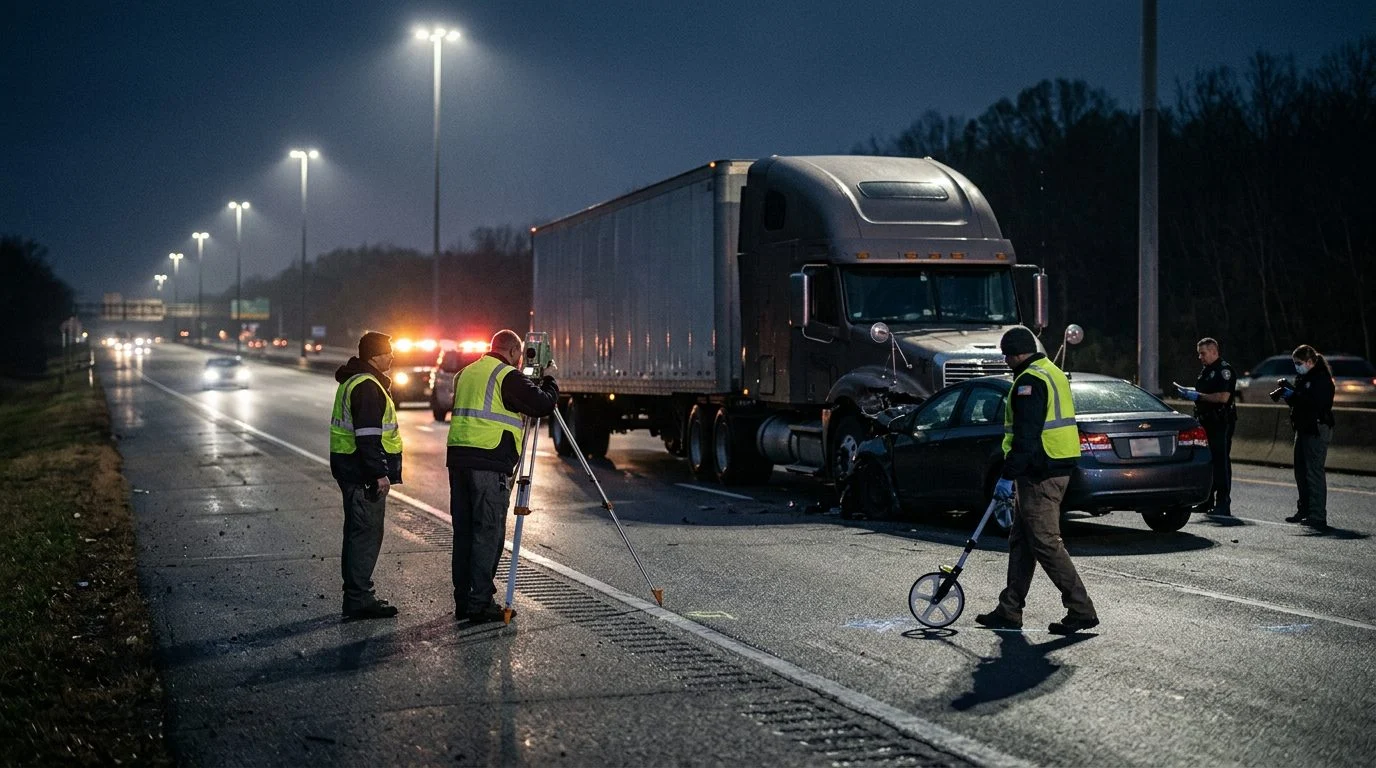
Wrongful death claims can arise from a car crash, depending on the facts. Crashes involving commercial trucks can involve more parties.
Who may be legally liable generally depends on the facts of the crash. State law defines an “employer defendant” to include a vehicle’s owner, the operator’s employer, or another party with legal control of the vehicle. W. Va. Code § 55-7-32 contains that definition. Whether any of these parties is responsible in a given case turns on the facts, and exceptions may apply.
West Virginia generally uses comparative fault. Under W. Va. Code § 55-7-13a, fault is generally divided among those involved in proportion to their percentages of fault. Under W. Va. Code § 55-7-13c, a plaintiff’s recovery is generally barred only when the plaintiff’s fault is greater than the combined fault of all others, and exceptions may apply depending on the facts of each case. Exceptions may apply, and the outcome depends on the facts of each case.
Federal rules generally require motor carriers to keep driver records of duty status for at least six months from receipt. The federal motor carrier regulation at section 395.8 states that a motor carrier generally must retain records of duty status and supporting documents for each of its drivers for not less than 6 months from the date of receipt, and exceptions may apply. Because that period is measured in months, early attention to records can matter. Police reports, vehicle data, and driver logs may be potentially relevant. Whether any particular record exists is a question for the facts.
Wrongful Death and a Criminal Case
Civil and criminal cases generally can move on different timelines and may involve different questions.
A civil claim generally does not require a criminal conviction. Records from a criminal investigation may still be potentially relevant to the civil matter.
If a criminal case is open, ask how it may affect the civil timeline. The answer varies with the procedure and the facts, and exceptions may apply. Keep copies of anything you receive from investigators or courts.
What to Expect After You Reach Out
Here is how the process generally works:
- Describe what happened. Share the date of death, the type of crash or injury, and your relationship to the person who died.
-
- Take the next step, if you choose. If you decide to proceed, our team helps identify the personal representative, gather records, and review the facts.
- Discuss the path forward. The claim may be pursued through negotiation or filed in court. The path depends on the facts.
How long a claim takes is variable and fact-dependent. No timeline can be set from the outside.
Our team includes assistants and office staff, and we serve clients across West Virginia.

Want to know where you stand?
Tell us what happened and our team will walk you through the options available to you, at no cost.
Frequently Asked Questions About the WV Wrongful Death Statute
Who can file a wrongful death claim in West Virginia?
Generally, the personal representative of the estate brings the claim for the statutory beneficiaries. Exceptions may apply.
What is the time limit?
Generally, a wrongful death action must be brought within two years after the death (W. Va. Code § 55-7-6). Exceptions may apply, and missing a deadline may affect the ability to sue.
Can a wife bring a claim if her husband dies?
A surviving spouse is generally among the beneficiaries. Her share and the process vary with the facts.
Does a criminal case have to finish first?
Is wrongful death the same as a personal injury claim?
No. A wrongful death claim generally belongs to the estate and family. A personal injury claim generally belongs to the injured person.
Related practice areas
- Wrongful Death Claims After a Crash in West Virginia
- Wrongful Death in Charleston
- Amputation Truck Accident Lawyer West Virginia