
Wrongful Death | West Virginia
Comparative Fault in West Virginia Wrongful Death Cases: A Plain-Language Guide
Shared fault can raise hard questions for a grieving family. Here is how comparative fault generally works in West Virginia, and how Big Bubba Injury Law can help you understand your options (W. Va. Code § 55-7-13c).
Published October 17, 2026
Generally, under W. Va. Code § 55-7-6, a wrongful death action is brought by the decedent’s personal representative, and whether a claim may proceed when the person who died was partly at fault depends on the facts of the case. Exceptions may apply. West Virginia uses a comparative fault system, which divides fault among everyone involved by percentage (W. Va. Code § 55-7-13c). Whether a claim is possible depends on the facts of each crash.
If you are asking about comparative fault in West Virginia wrongful death cases, this guide is for you (W. Va. Code § 55-7-13c). Losing someone in a crash is painful. Hearing that the driver may have made a mistake can make it harder. This page explains the basics in plain language. It is general information, not legal advice about your situation.
West Virginia’s Comparative Fault Rule in Wrongful Death Cases
Generally, West Virginia assigns fault as a percentage. The state’s comparative fault statute describes comparative fault as the degree to which a person’s fault was a proximate cause of a death, expressed as a percentage. A proximate cause is a legal link between an action and the harm that followed. § 55-7-13a
A wrongful death action is generally available when a death is caused by a wrongful act, neglect or default. The same act would have let the injured person sue if they had survived. § 55-7-5 Fault is defined broadly. It can include negligence and assumption of the risk. § 55-7-13b
That means the deceased person’s own actions may be part of the fault analysis. Partial fault does not generally stop the decedent’s personal representative from filing or pursuing a claim. The key questions are whether the other party’s fault was also a proximate cause of the death, and how fault is divided. Exceptions may apply depending on the facts.

Not sure what your next step is?
Talk it through with our team — the first case review is free, confidential, and carries no obligation.
How Comparative Fault Affects Your Wrongful Death Claim
Generally, a share of fault assigned to the deceased reduces the recovery by that share. Under comparative fault wrongful death West Virginia rules, the answer depends on percentages, not a simple yes or no (W. Va. Code § 55-7-13c).
Fault chargeable to a plaintiff generally does not bar recovery unless it is greater than the combined fault of all other persons. If it is not, the recovery is reduced in proportion to the plaintiff’s share. § 55-7-13c
Here is a simple illustration, not a prediction. Suppose a court assigned 20 percent of the fault to the deceased and 80 percent to others. Generally, the recovery would be reduced by that 20 percent share. How a court applies these rules to a deceased person’s share depends on the facts.
The same statute generally makes each defendant liable only for its own percentage share. It also lists exceptions, so the details matter. § 55-7-13c
An insurance company may argue that the deceased was more at fault. That argument is a possibility in some cases. It does not decide how a court would divide fault.
What ‘Partially at Fault’ Means in a Crash
Generally, partial fault means the deceased did something that contributed to the crash. The other driver may have also contributed. Examples can include speeding, failing to yield, distracted driving, or breaking a traffic law.
Failing to take reasonable steps to avoid a collision can also count. A traffic violation is evidence to weigh. It is not an automatic finding of fault. Courts generally look at what each driver did in the moments before the crash.
The person who seeks to prove comparative fault generally carries the burden of proving it. § 55-7-13d That means the other side may need to show how much fault the deceased carried, depending on the facts.
Even if the deceased made a mistake, the other driver may still carry a share of the fault. The percentages depend on what the evidence shows in each case.
Why You Should Not Assume Your Claim Is Worthless
Generally, a disputed fault question does not mean there is no claim. Whether a claim survives depends on the facts, the evidence, and the rules described above.
Fault is not always clear. Multi-vehicle crashes, poor visibility, and conflicting witness accounts can make it harder to sort out. Some cases turn on details that were not obvious at the scene.
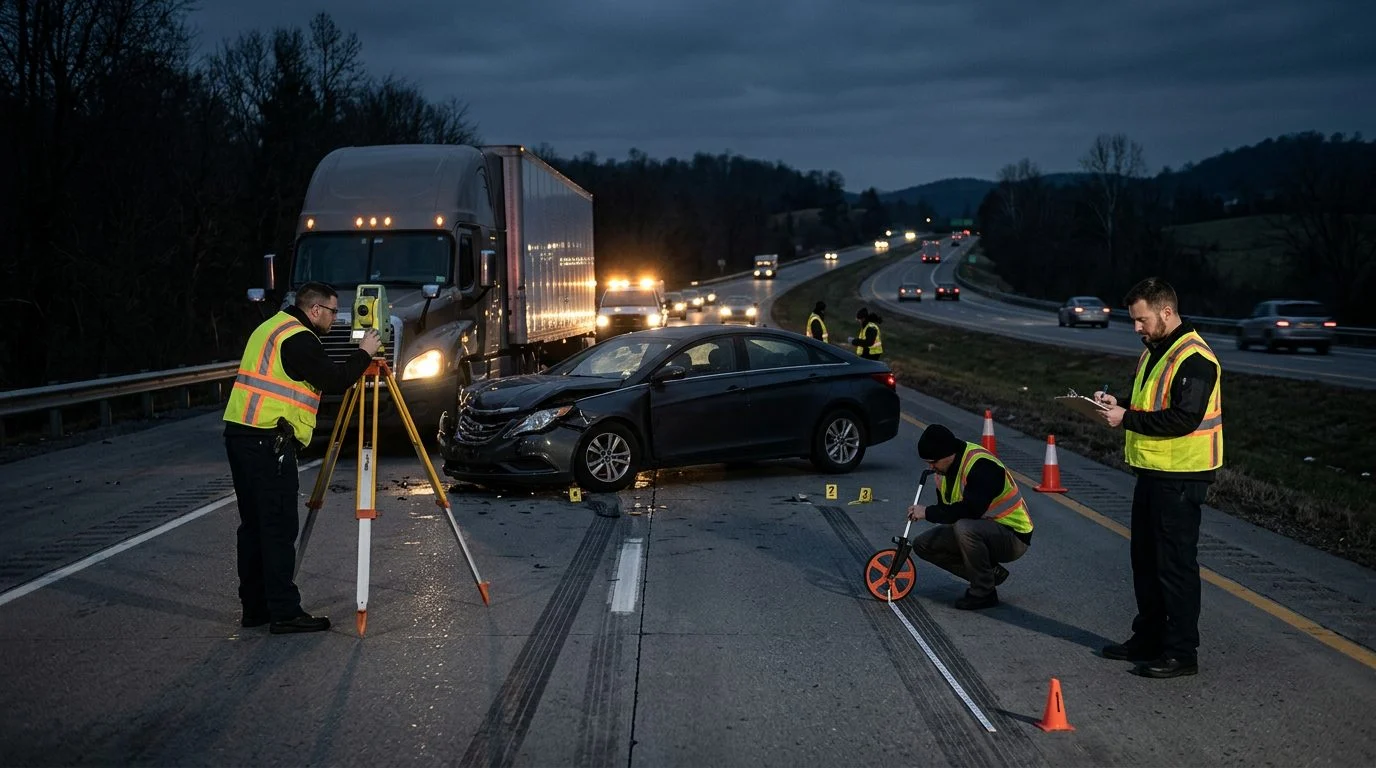
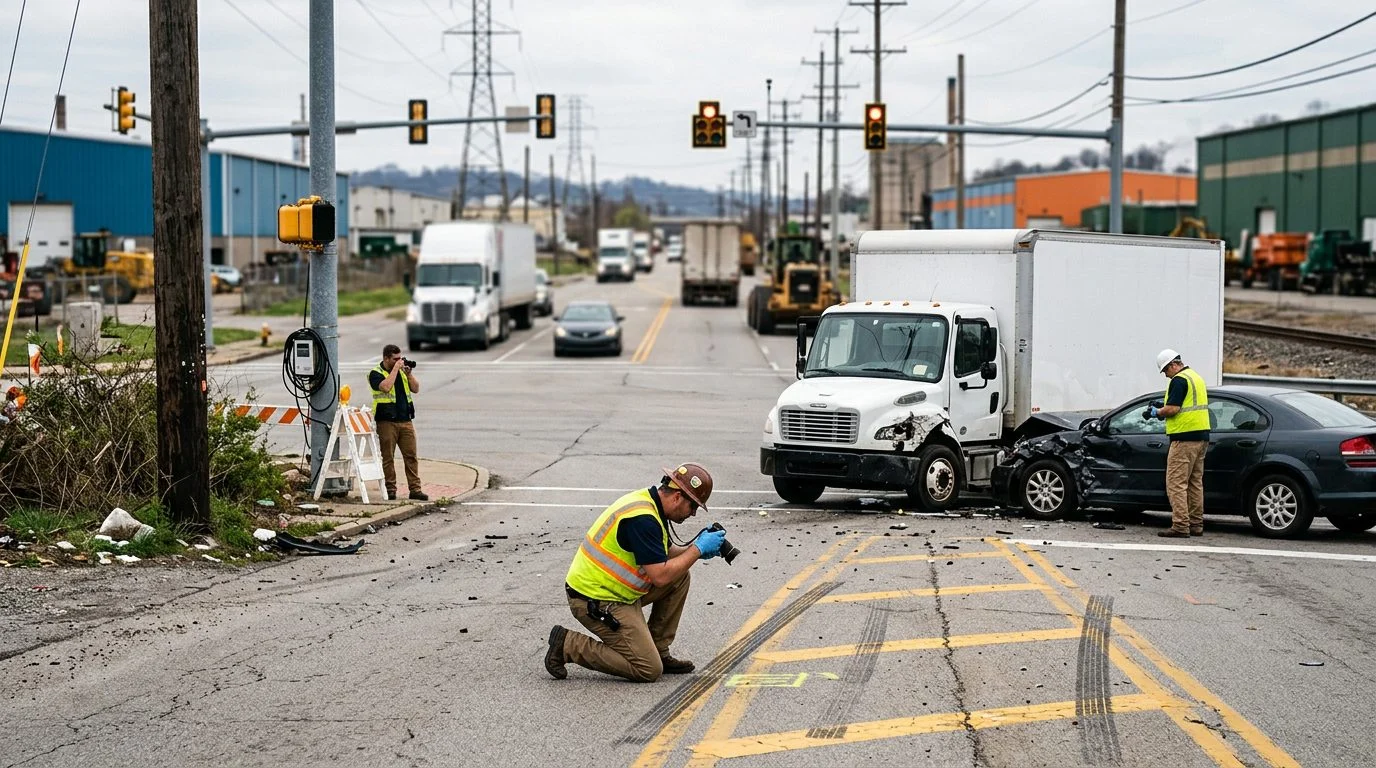
Evidence may be relevant to how fault is divided. Police crash reports, witness statements, vehicle damage patterns, photos, and reports from accident reconstruction analysts can all shed light on what happened. Whether any of it helps depends on what it shows.
Those statements are not a court’s determination of fault. Even when fault is shared, a family may still have a claim for the share a court assigns to others, depending on the facts.
Have questions about what happened?
Ask our team directly. The first conversation is free, confidential, and there is no obligation to continue.
Steps to Take if You Are Unsure About Fault
Start by gathering the records you already have. Keep them together in one place. Don’t discard anything, even if it seems minor.
- Get the police crash report and any investigation documents. The agency that handled the crash may be able to tell you how to obtain a copy of the crash report.
- Write down witness names, contact details, and any statements they gave.
- Keep photos of the scene, the vehicles, and road conditions.
- Consider saving insurance letters and offers. Read them slowly before you sign or respond. Before you respond to any offer, it may help to understand what your claim could involve.
- Note the filing deadline. Generally, a wrongful death action must be brought within two years after the death. Other provisions of West Virginia law may apply, so don’t rely on this summary alone. § 55-7-6
Questions to Consider Early On
Generally, it helps to talk through your options when a fatal crash leaves questions about fault. You may want to reach out if you are grieving and unsure whether a claim is possible. You may also want to reach out if you were told your loved one was partly at fault, if an insurer denied your claim, or if an offer feels too low.
We serve families across West Virginia, including Charleston, Huntington, Morgantown, Wheeling, Martinsburg, and Parkersburg.
Can I file a claim under West Virginia comparative fault rules if the driver was partly at fault?
Partial fault does not automatically end a wrongful death claim, but the outcome depends on the facts of each case.
Does comparative fault wrongful death West Virginia law stop a claim?
Generally, a plaintiff’s fault bars recovery only when it is greater than the combined fault of all others (W. Va. Code § 55-7-13c). Exceptions may apply, so the facts matter.
Want to know where you stand?
Tell us what happened and our team will walk you through the options available to you, at no cost.