
Serving West Virginia
Head-On Crashes on Rural Roads: Getting Help After a Serious Injury
Two-lane country roads can turn a head-on collision into a life-changing injury. Big Bubba represents injured people and families across West Virginia.
Published November 8, 2026
Rural road head-on crash injuries are often severe because two vehicles meet front to front, and the people inside sit close to the point of impact. Two-lane country roads can add to the danger, with no median, narrow shoulders, and little room to recover from a mistake. This page explains why these crashes hit so hard and what West Virginia drivers and families should understand next.
What Makes a Head-On Crash Different From Other Collisions
A head-on crash happens when two vehicles traveling in opposite directions strike each other front to front. Often, one vehicle has crossed the centerline, but the facts of each crash decide what happened. Both vehicles keep moving toward each other, so their speeds combine at impact. That force concentrates on the front of each vehicle and the people inside. Drivers and passengers sit close to the steering wheel, dashboard, and windshield, so those parts can be involved in the injury. A side impact or rollover works differently. The front-to-front force is what sets this crash type apart.
Not sure what your next step is?
Talk it through with Big Bubba — the first case review is free, confidential, and carries no obligation.

How Speed and Impact Forces Can Contribute to Severe Injury
Higher speed at impact can increase the forces acting on the body. In a severe crash, the body slows very quickly, and that sudden stop can injure the brain, spine, chest, and organs. The injury can happen even when the body never strikes anything hard. Seat belts and airbags are designed to manage these forces. Their effect varies with the crash, the seat, and how the person was restrained. The West Virginia seat-belt evidence law limits when a failure to wear a belt can be raised in a civil case. Evidence that a driver was not belted generally cannot be used to show negligence when the driver is the person making a claim for damages in a civil action. W. Va. Code § 17c-15-49a reads: “(B) The prohibition on the admissibility of evidence provided by this paragraph does not apply in an action against the manufacturer or seller of the passenger vehicle being driven by the claimant driver and/or a manufacturer or seller of any component or system incorporated into the passenger vehicle.” Injuries also come from contact with the inside of the vehicle, such as the steering column, and from movement inside it. Some injuries do not show up right away. A person who feels fine after a crash should still be checked by a medical team.
Why Rural Two-Lane Roads Can Add to the Danger
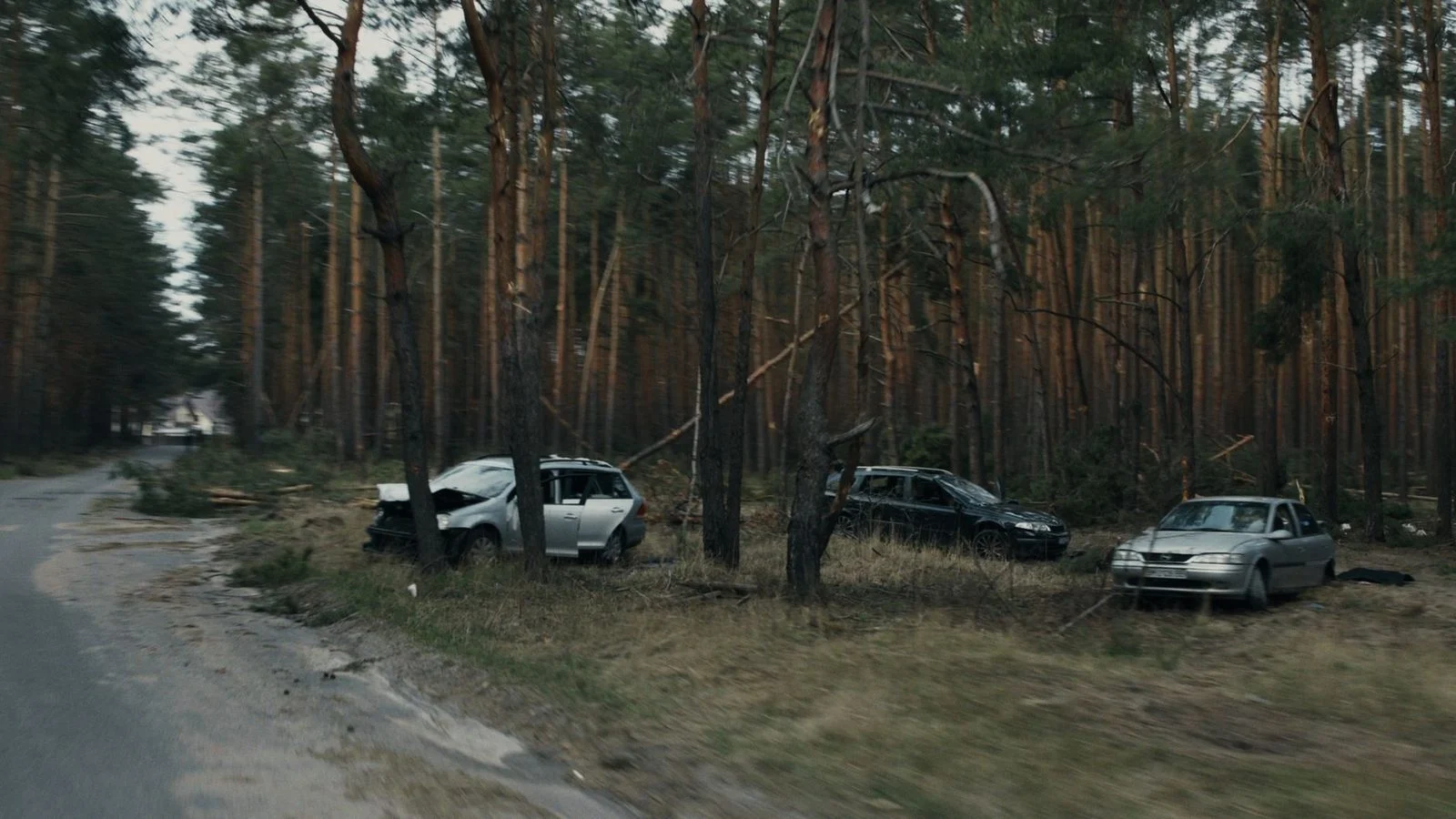
Many rural two-lane roads have no median or barrier between opposing lanes. Shoulders may be narrow or missing. Curves and hills can limit how far ahead a driver can see, which leaves less time to react. These features leave little room to correct a mistake. Roadside hazards add risk. A vehicle that leaves the lane may strike a ditch, an embankment, a tree, or a utility pole. That can turn one impact into a second one. A driver who swerves may also meet gravel, mud, standing water, or a change in pavement. The vehicle may not respond the way the driver expects. These conditions can make an emergency move harder to control, and they can add to the forces in a crash that already involves oncoming traffic.
Why Help May Take Longer to Reach Rural Crash Scenes
Emergency care can start later in remote areas. Distance from hospitals, trauma centers, and fire and EMS stations can add time before treatment begins. Time before treatment can matter in serious brain and spinal injuries, though how much it matters depends on the injury and the situation. A crash away from a main road may also go unseen for a while. This is more likely at night or on a road with little traffic. A person who is pinned or cannot call for help may depend on a passing driver or a call from someone else. Delays like these can also make the scene harder to document later. Medical teams are the right source for any individual’s outlook.
Common Catastrophic Injuries After Head-On and Rural Crashes
Rural road head-on crash injuries can include traumatic brain injury, spinal cord injury, fractures of the legs, pelvis, or spine, chest and abdominal injuries, and internal bleeding. Each person’s injuries depend on the crash and the body. A traumatic brain injury is damage to the brain caused by a blow, jolt, or penetrating force. Symptoms may appear right away or may develop over hours or days. A spinal cord injury damages the nerves that carry signals between the brain and the rest of the body. What a person can feel or move often depends on where along the spine the injury occurs. Recovery time and long-term effects vary widely. Medical professionals are the right source for an individual’s outlook, and treatment records document the injury over time.
Common Driving Factors on Rural Roads
Several factors can contribute to head-on and rural crashes. These include drifting over the centerline, impaired or distracted driving, fatigue, unsafe passing, speed that does not match road conditions, and animals on the road. Impaired driving is one factor the state addresses directly. Investigators look at each of these factors. Which one applied in a given crash depends on the facts. Trucks and other large vehicles on two-lane roads add weight and longer stopping distances. Unsecured cargo can also be a concern. The West Virginia Division of Motor Vehicles states that unsecured cargo can cause serious or catastrophic crashes and injuries.
Not sure what your next step is?
Talk it through with Big Bubba — the first case review is free, confidential, and carries no obligation.
When a Crash Reconstruction May Be Relevant
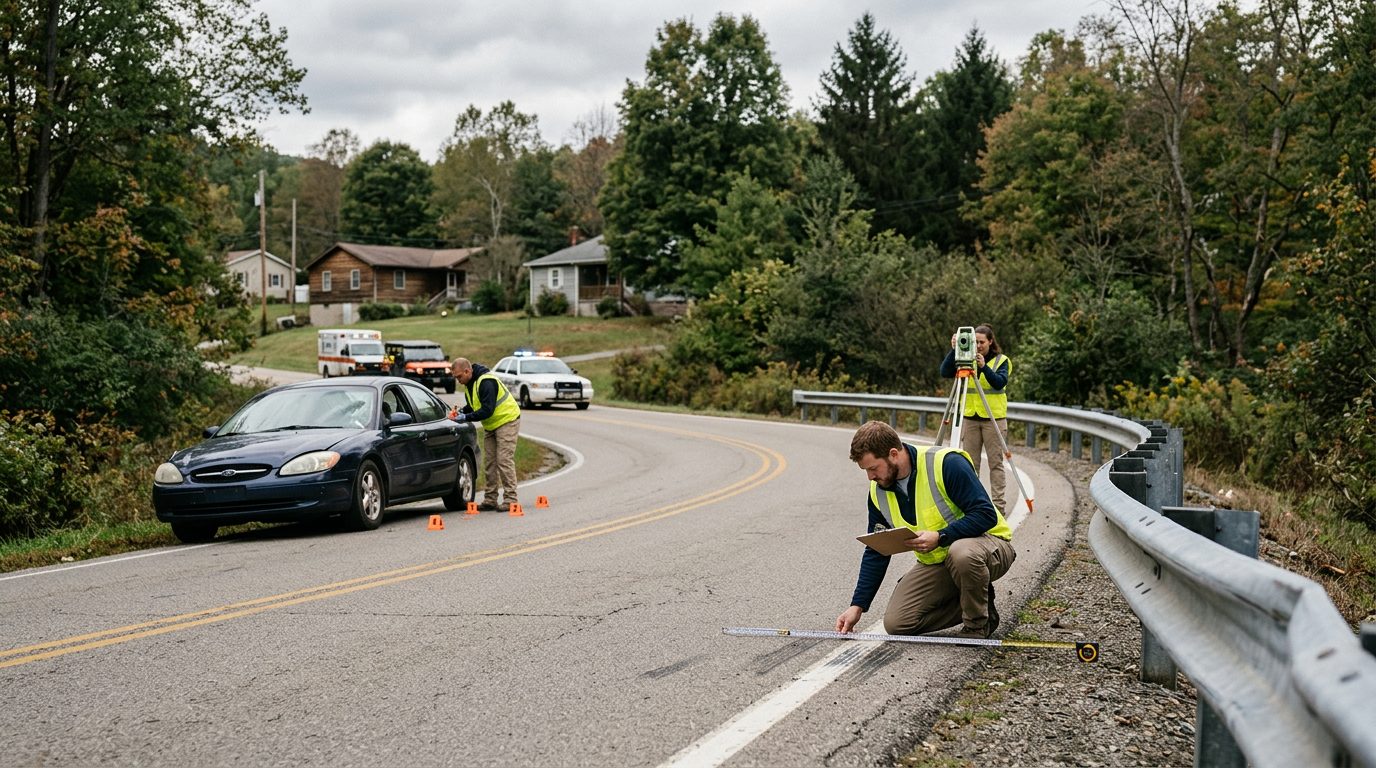
A crash reconstruction uses physical evidence to estimate how a crash happened. That evidence can include skid marks, vehicle damage, debris locations, roadway measurements, photographs, and vehicle event data. Vehicle event data is information some vehicles store about speed and braking around a crash. Reconstruction may be relevant in a rural head-on crash, depending on the facts. Its value depends on how quickly evidence is kept. Rural scenes may be cleared, and vehicles may be moved or repaired soon after a crash. Crash reports are another source. The Beckley Police Department explains how to request crash reports and lists a $20 copy fee. The firm can explain what evidence may be relevant in a given case.
Fault and Filing Deadlines in West Virginia
If a head-on crash on a two-lane road left you or a family member with a serious injury, the firm can talk through what happened. Shared fault and filing deadlines often come up early, so the questions below may help.
Does shared fault always stop a claim?
West Virginia generally uses modified comparative fault. Under W. Va. Code § 55-7-13c, an injured person’s fault generally reduces recovery, and it bars recovery only when it is greater than the combined fault of all others responsible.
How long do I have to file a personal injury claim?
West Virginia generally allows two years to file a personal injury claim, and exceptions may apply. See W. Va. Code § 55-2-12.
What about a wrongful death claim?
A wrongful death action generally must be brought within two years after the death, and the personal representative files it. See W. Va. Code § 55-7-6.
If a head-on crash on a two-lane road left you or someone you love with a serious injury, or ended in a death, tell the firm what happened. You can request a free case review through the contact page. The firm serves people hurt in crashes across West Virginia, including Charleston and Huntington.