
Car Accidents | West Virginia
Hit-and-Run in West Virginia? Here's What to Expect From a Police Investigation
Police may identify a driver through evidence, witnesses, or video. Learn what can affect that process and how the firm can help you understand your options.
Published November 4, 2026
Police usually take a report after a hit-and-run, but how far the investigation goes depends on the crash. Serious injuries, clear evidence, and useful leads tend to get more follow-up. This page explains how the process generally works in West Virginia, step by step. Will police actually investigate a hit and run? Read on for the short answer and the details.
Why this question feels so urgent after a hit-and-run
Being hit by a driver who does not stop is frightening. You may be hurt and shaken, and you may worry that the driver will never be found. If you are reading this for someone else, you may be caring for an injured parent, spouse, or child while you try to make sense of what happened. Those feelings are common, and they can make it hard to know what to do first.
The answer to “will police actually investigate a hit and run?” depends on the crash. Police response varies with the injuries, the evidence at the scene, and the details a victim can give. A crash with no injuries and few clues may end with a report and little else. A crash that leaves someone badly hurt or dead usually gets a fuller response.
Think of the police report as the first record of the crash. Insurance forms and any later legal steps often start from it. Read this page as a map of the steps, not a forecast for any one crash.
If a driver left you or someone you love seriously hurt, we can talk through your options in a free case review. Talk it through with Big Bubba — the first case review is free, confidential, and carries no obligation.
Short answer: police usually take the report, and the depth of the investigation varies
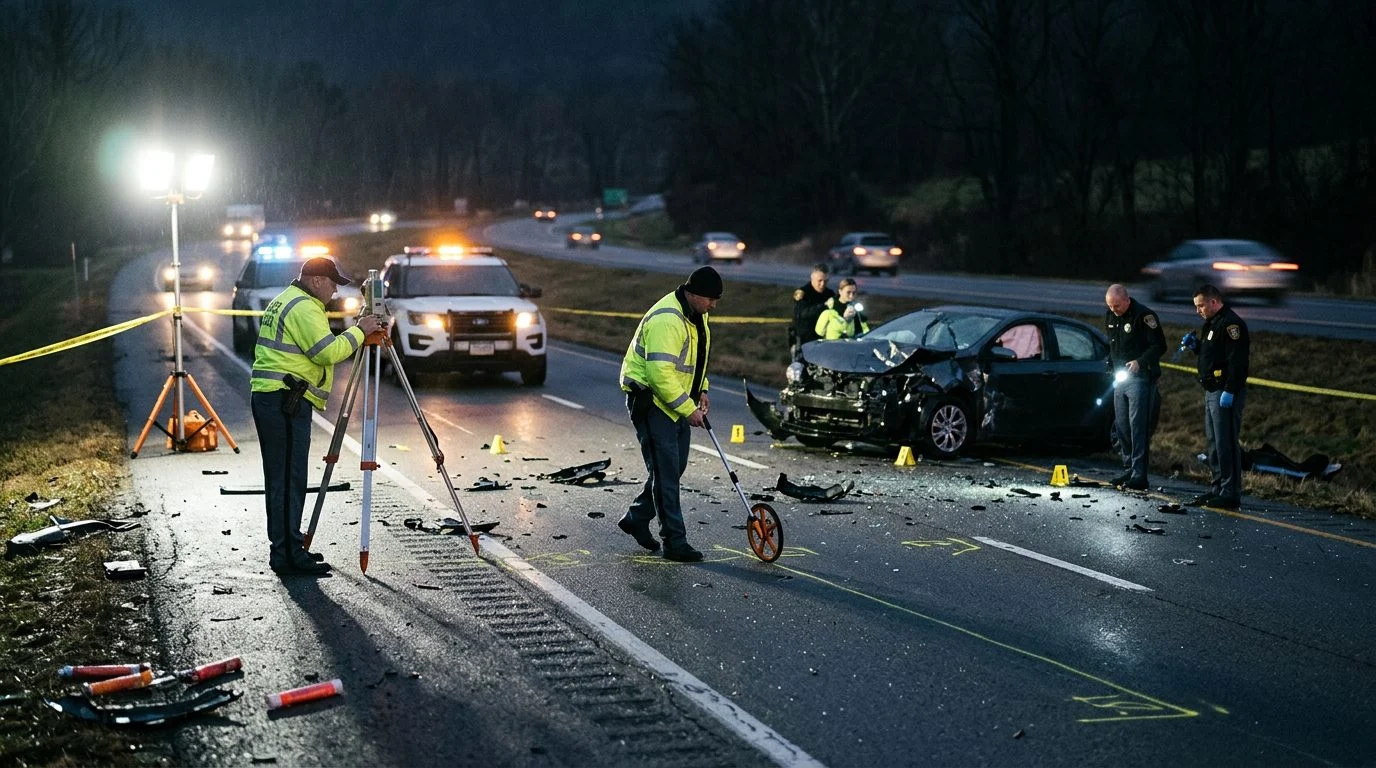
Police generally respond to a reported hit-and-run, document the scene, and write a crash report. That report is the starting point for any follow-up. It records the time, the location, the vehicles involved, and the people who were hurt.
Whether detectives go further often turns on two things. The first is whether someone was seriously hurt or killed. The second is whether there are real leads to follow, such as a vehicle description, a partial plate, or video.
The report matters even when the driver is never found. Some insurers may dispute a claim tied to an unidentified driver, so a report number gives you a clear record to point to. Ask for the report number at the scene if you can. Beckley’s police department explains how to request a West Virginia crash report and lists a $20 copy fee for those reports: Beckley Police Department’s crash report page.
What police look at when they investigate a hit-and-run
Investigators generally look for evidence that points to a vehicle or a driver. These are the sources they often check:
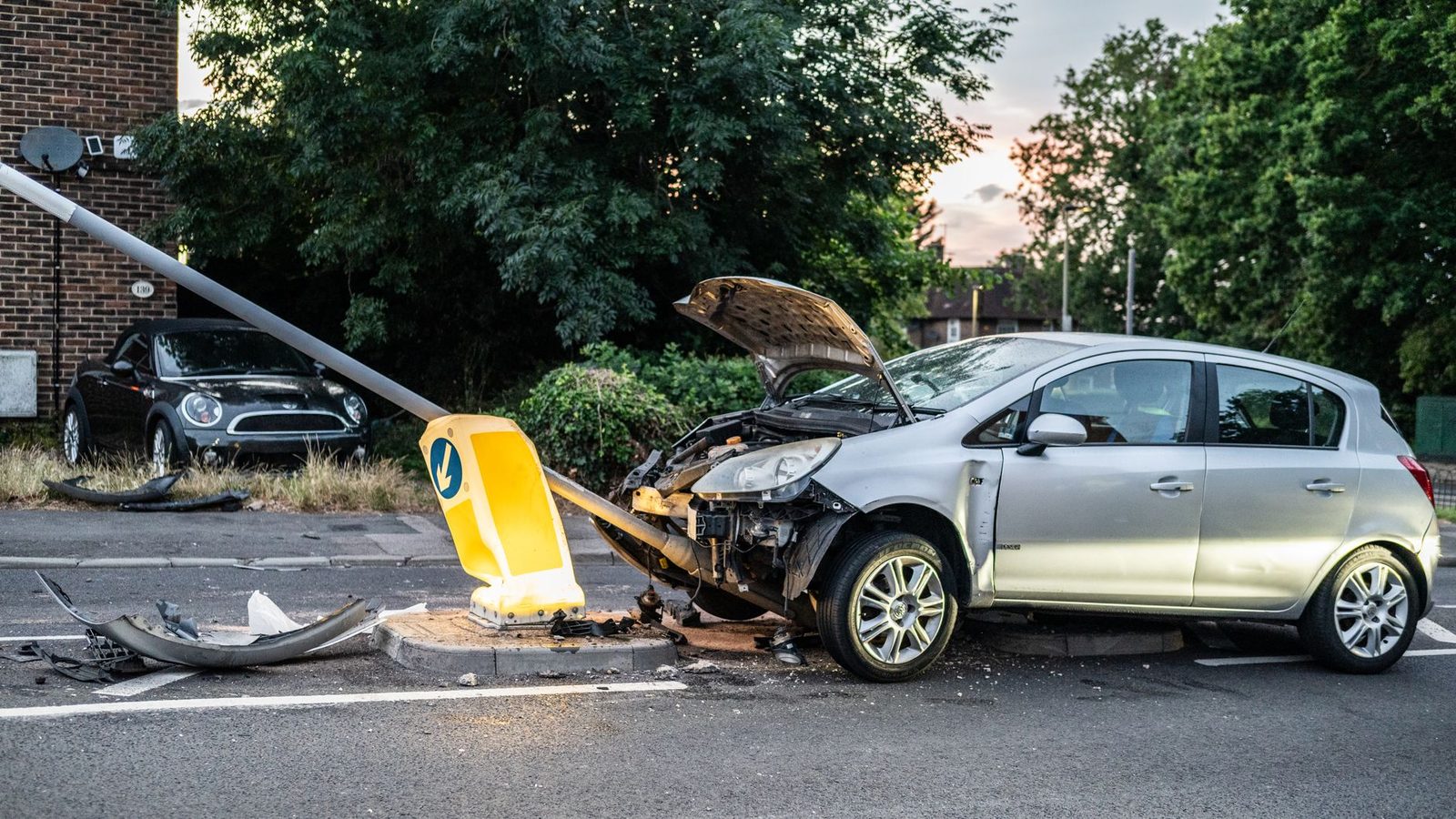
- Physical evidence at the scene. Debris, paint transfer, broken lights, and tire marks may help show the type and make of the vehicle.
- Witness statements. Drivers, pedestrians, and nearby residents or workers may have seen the crash or the vehicle leave.
- Video. Surveillance and traffic camera footage may be available from businesses, traffic systems, or nearby properties. Some footage may be kept only briefly, so early reporting matters.
- Vehicle damage and repair inquiries. Damage patterns may help investigators narrow down possible vehicles.
- Medical and emergency records. Hospital and response records document the injuries and the time of the crash.
Each item can narrow the search. No single item decides a case.
Why a minor hit-and-run may get less follow-up, and why a serious one may not
A minor crash with only property damage often gets less follow-up than one that causes serious injury. A crash that causes a catastrophic injury, a traumatic brain injury, a spinal cord injury, or a death often draws a more involved response.
Injuries can change how the case is handled. Tell officers about every symptom you have, even ones that seem small at first. Ask that they be written in the report, because the report is the record others will read later.
If alcohol or drugs were involved, the consequences can be serious.
Is a hit-and-run hard to prove, and what can help
A hit-and-run can be hard to solve when there are few witnesses and no video. That difficulty affects the police case and any later claim.
Identifying the driver is a police task. Proving fault in an injury claim is a separate task. When the driver is not identified, some victims look to their own insurance. West Virginia’s uninsured motorist statute, W. Va. Code § 33-6-31, addresses the liability coverage that motor vehicle insurance policies must contain. W. Va. Code § 33-6-31 reads: “unless it contains an endorsement or provisions undertaking to pay the insured all sums which he or she is legally entitled to recover as damages from the owner or operator of an uninsured motor vehicle, within limits which shall be no less than the requirements of section two, article four, chapter seventeen-d of this code, as amended from time to time: Provided, That such policy or contract shall provide an option to the insured with appropriately adjusted premiums to pay the insured all sums which he or she shall be legally entitled to recover as damages from the owner or operator of an uninsured motor vehicle up to an amount of $100,000 because of bodily injury to or death of one person.” An insured generally must, within twenty-four hours after discovering the accident and being physically able to report it, report the accident to police, unless an officer has already investigated it. The insured must also notify the insurer within sixty days that they have a claim against an unidentified person: W. Va. Code § 33-6-31. Whether coverage applies depends on the policy.
Practical steps can help whichever process follows. Write down the vehicle’s color, make, model, and any plate details you saw. Note the time, the location, and anything about the driver. Take photos of the scene and your injuries. Keep medical bills, records, and every crash document, and write down the police report number.
Quick answers
Will police find a hit-and-run driver?
Police may identify a driver through evidence, witnesses, or video. How often or how quickly that happens depends on the facts of each crash.
Do I need the police report for an insurance claim?
A police report is useful for an insurance claim. Some insurers may ask for other proof too.
How a hit-and-run investigation connects to an injury claim
A police investigation and an injury claim are separate processes. Police look at what happened under traffic and criminal law. An injury claim asks who is legally responsible for the harm and what losses the law allows you to seek.
Timing matters. West Virginia generally allows two years to file a personal injury lawsuit, and exceptions may apply: W. Va. Code § 55-2-12.
West Virginia also uses modified comparative fault. An injured person’s damages may be reduced by their own share of fault, and in some cases that rule can bar recovery: W. Va. Code § 55-7-13c.
If a vehicle belonged to an employer, the employer and the vehicle’s owner may also be relevant. Our guides on work van crashes and employer responsibility cover that in more detail. Our guide on catastrophic injuries explains what serious harm can mean for a claim.
Not sure what your next step is?
Talk it through with Big Bubba — the first case review is free, confidential, and carries no obligation.

What to know after a hit-and-run crash
Police steps, insurance notices, and filing deadlines can all arrive at once after a hit-and-run.