
Crash Evidence | West Virginia
Does Your Vehicle Record Crash Data?
Knowing which vehicle records may exist after a serious crash can help you decide what to ask about and when to act.
Published November 18, 2026
If someone you love was hurt or killed in a crash, you may be asking whether the vehicle recorded anything that day. Not every car has an event data recorder (EDR). Whether a particular vehicle has one depends on its make, model and model year.
This guide explains what an EDR is, what it may record, how long its data may last, and how it can fit into a serious injury or wrongful death claim in West Virginia.
What Is an Event Data Recorder (EDR)?
An event data recorder (EDR) is a device that stores a short window of vehicle data around a crash. Many people call it a “black box.” It is part of the vehicle itself, not a gadget you add later.
The National Highway Traffic Safety Administration (NHTSA) describes EDRs as a possible source of evidence in motor vehicle crashes. Its event data recorder overview explains the kinds of information an EDR may preserve.
An EDR is not the same as a dash camera or a phone app. A dash camera records video. A phone app records only what its own software was set to log. An EDR records vehicle operating data, typically when a crash or sudden event triggers it.
Knowing the difference helps you ask the right questions. Because the EDR lives in the vehicle, the car and whoever controls it matter as much as any device you own.
If you are trying to understand what a car or truck recorded while you are also dealing with an injury or a loss, you do not have to sort it out alone. Talk it through with Big Bubba — the first case review is free, confidential, and carries no obligation.
Do All Cars Have an EDR?
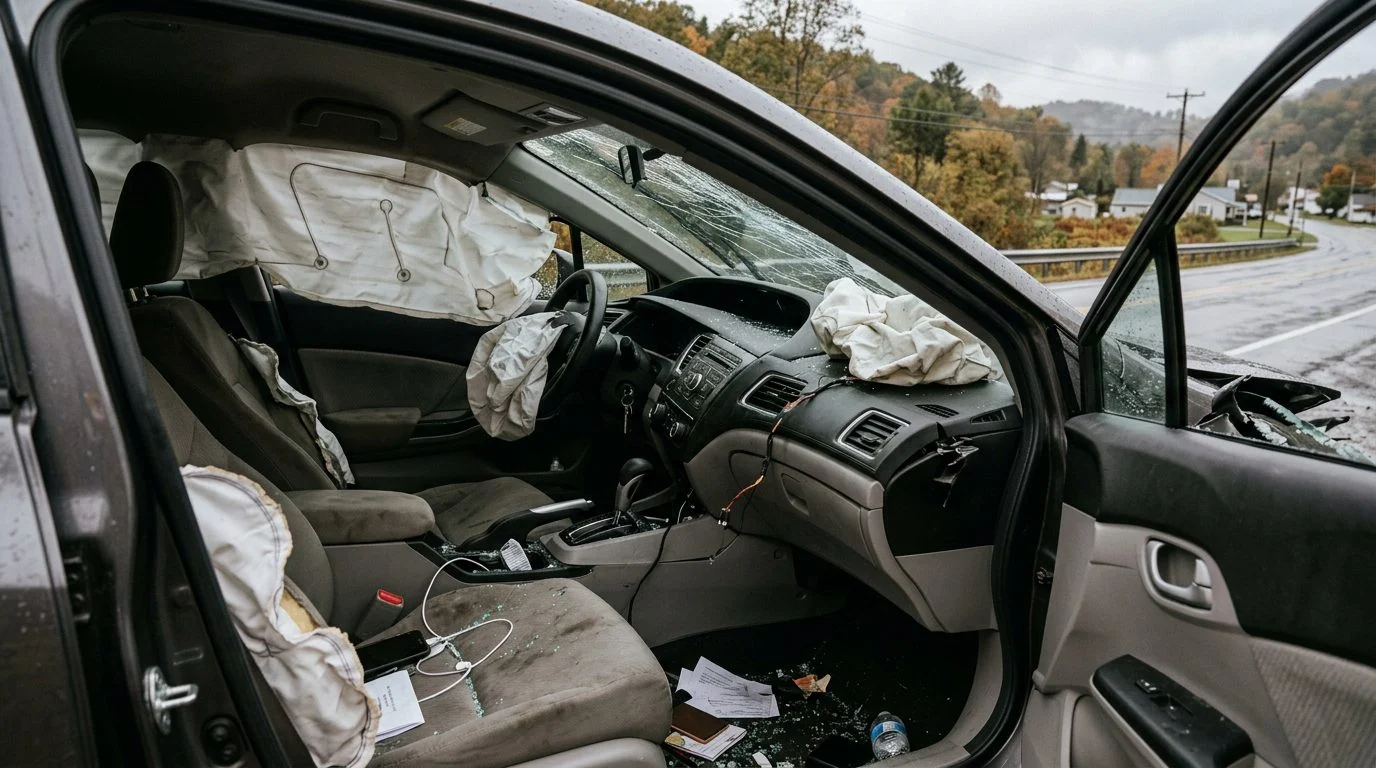
No, not every car has one. Whether a specific vehicle has an EDR depends on its make, model and model year. Many newer passenger vehicles include one, but brand and age alone don’t settle the question for a particular car.
The owner’s manual or the manufacturer’s documentation for that model year is the place to confirm it. Check it early, before the vehicle is sold or repaired.
Commercial trucks often work differently. Trucks that must keep electronic logs use an electronic logging device (ELD). Under 49 C.F.R. § 395.26, an ELD automatically records date, time, vehicle location, engine hours, vehicle miles, driver identification, vehicle identification and motor carrier identification.
An ELD is a different tool from an EDR. A commercial truck may also have other recording equipment, depending on how it was built and equipped.
What Data Does an EDR Typically Record?
An EDR typically records a small set of vehicle data tied to a crash or sudden event. NHTSA describes the general categories as pre-crash data, crash data, driver inputs, restraint information and post-crash information.
Pre-crash data may include vehicle speed. Driver inputs may include braking or steering. Restraint information concerns the seat belts and airbags. The exact items vary by vehicle.
The National Transportation Safety Board has pointed out that short recording periods limit what an EDR can show about a crash.
Because the window is short, the data usually covers moments around the event, not the whole trip. It shows how the vehicle was operating. It does not, by itself, decide who was at fault or how an injury happened. Investigators read it alongside police reports, photos, witness statements and medical records.
How Long Does EDR Data Last?
EDR data does not last forever. An EDR has limited memory, and stored events may be overwritten over time, especially if the car stays in regular use.
Some events may be stored in a way that makes them less likely to be overwritten. How each vehicle handles this varies, so it is not safe to assume the data will stay put.
Retention depends on the vehicle, the kind of event and what happens to the car afterward. For that reason, timing matters more than any fixed number of days. If the vehicle is still driven, repaired or sold, stored data may change or disappear.
What Happens to a Vehicle’s EDR After a Crash?
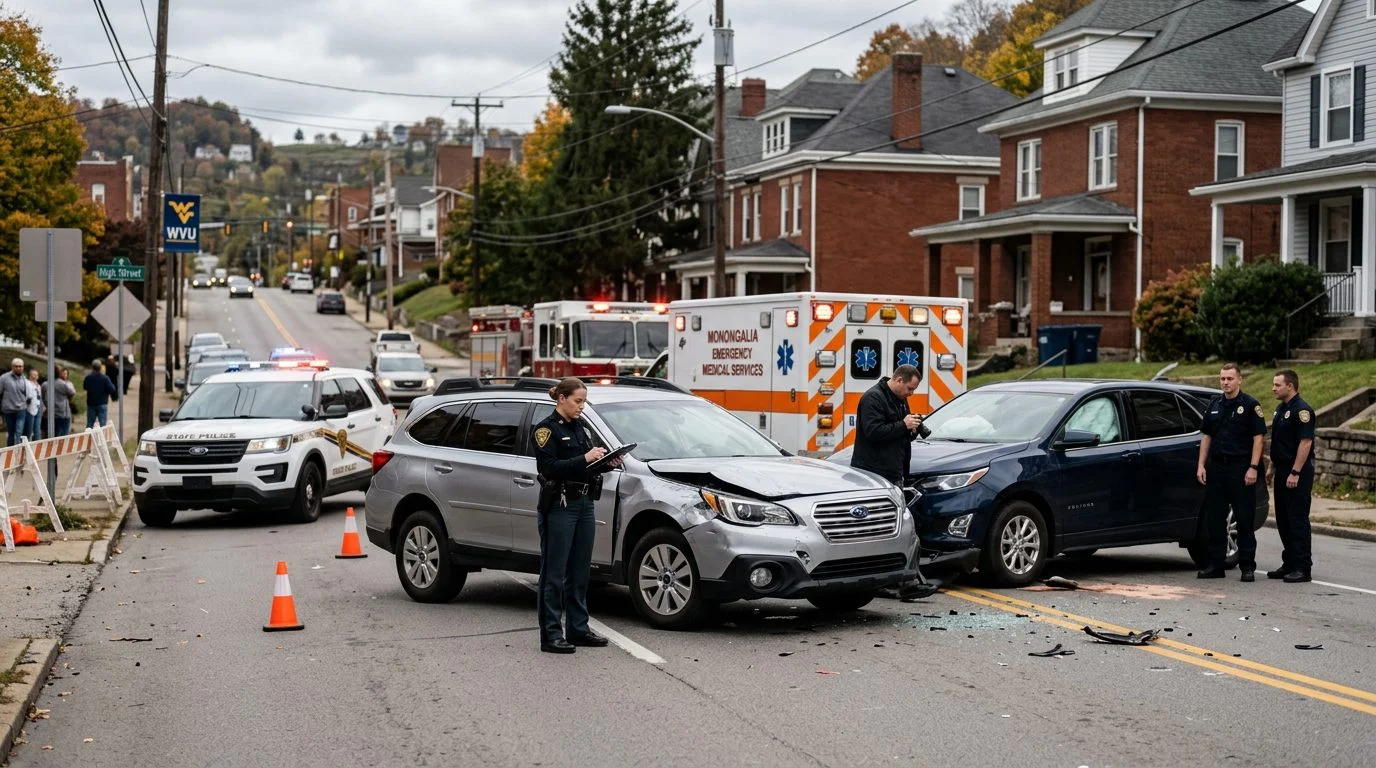
After a serious crash, the vehicle is often towed to a repair shop, storage lot or salvage yard. Each move can change who controls the car.
Repair, sale or salvage can also change what remains in the vehicle’s memory. This is why the car’s location and condition matter as much as the crash itself.
It can help to ask whoever controls the vehicle to keep it unchanged while questions are sorted out. Raise questions early rather than waiting for a claim to be filed.
Other records matter too. Under W. Va. Code § 17c-4-7, a law-enforcement officer who, in the regular course of duty, investigates a crash on West Virginia’s public streets or highways involving bodily injury or death must prepare a crash report within 24 hours after completing the investigation. The same section covers crashes with total property damage of an apparent extent of $1,000 or more.
How Is EDR Information Retrieved?
EDR data is generally read with dedicated download equipment and a documented process. A careful process helps the information be captured accurately.
Access usually depends on who owns or controls the vehicle. If the owner will not cooperate, a court order or written agreement may be needed before the data can be pulled.
For commercial trucks, federal rules add another layer. Under 49 C.F.R. § 395.30, a motor carrier must not alter or erase the original hours-of-service information, the source data streams used to provide it, or information in an ELD that uses the original information.
How the data was pulled, and by whom, can matter later. A poorly documented download may be questioned, so keep track of who had the vehicle and when.
Not sure what your next step is?
Talk it through with Big Bubba — the first case review is free, confidential, and carries no obligation.
Where EDR Data Fits in a Serious Injury or Wrongful Death Claim
In a serious injury or wrongful death claim, vehicle data may help show how a crash happened. That can matter most when fault is disputed.
For wrongful death, West Virginia law says the action is brought by the personal representative of the deceased person. Under W. Va. Code § 55-7-6, the action generally must be commenced within two years after the death, subject to other provisions of law. W. Va. Code § 55-7-6 reads: “The provisions of this section shall not apply to actions brought for the death of any person occurring prior to July 1, 1988.”
Under W. Va. Code § 55-7-13c, a plaintiff’s fault generally does not bar recovery unless it is greater than the combined fault of others. W. Va. Code § 55-7-13c reads: “(c) Any fault chargeable to the plaintiff shall not bar recovery by the plaintiff unless the plaintiff’s fault is greater than the combined fault of all other persons responsible for the total amount of damages, if any, to be awarded.” If it is less, recovery is reduced in proportion to the plaintiff’s share of fault.
If another driver was at fault, vehicle data may be one piece of that picture. Similar questions can arise in impaired driving crashes, truck crashes involving wrongful death and underinsured motorist coverage. The firm handles car accidents, truck accidents, commercial vehicle accidents, catastrophic injuries, traumatic brain injury, spinal cord injury and wrongful death claims.
Information to Gather After a Crash
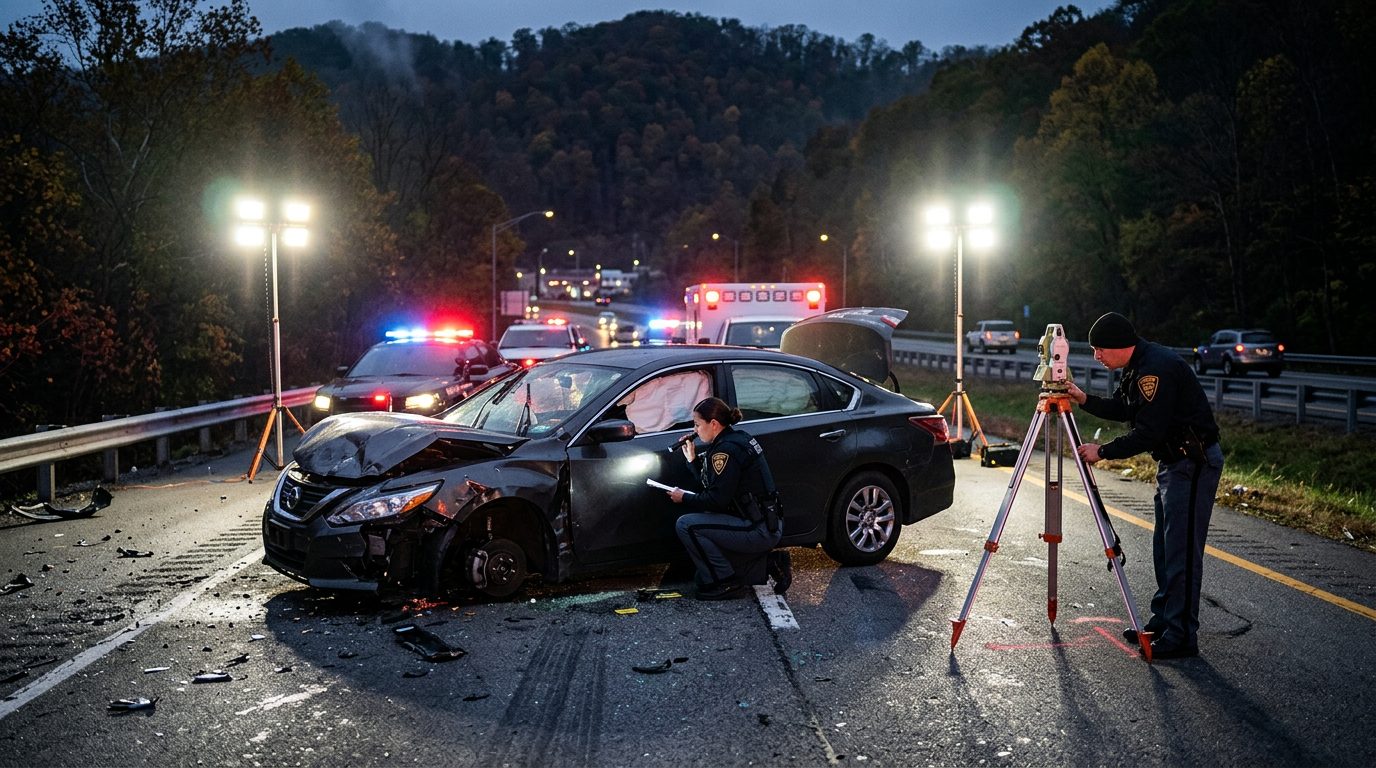
If you are trying to understand what a car or truck recorded while you are also dealing with an injury or a loss, you do not have to sort it out alone. Some families learn about EDRs only after the vehicle has been moved.
If that describes your situation, we can talk through the crash, the vehicle and which records may still be available. We serve injury victims across West Virginia, including Charleston, Huntington, Morgantown, Wheeling, Beckley and Parkersburg. To start, request a free case review with the firm.