
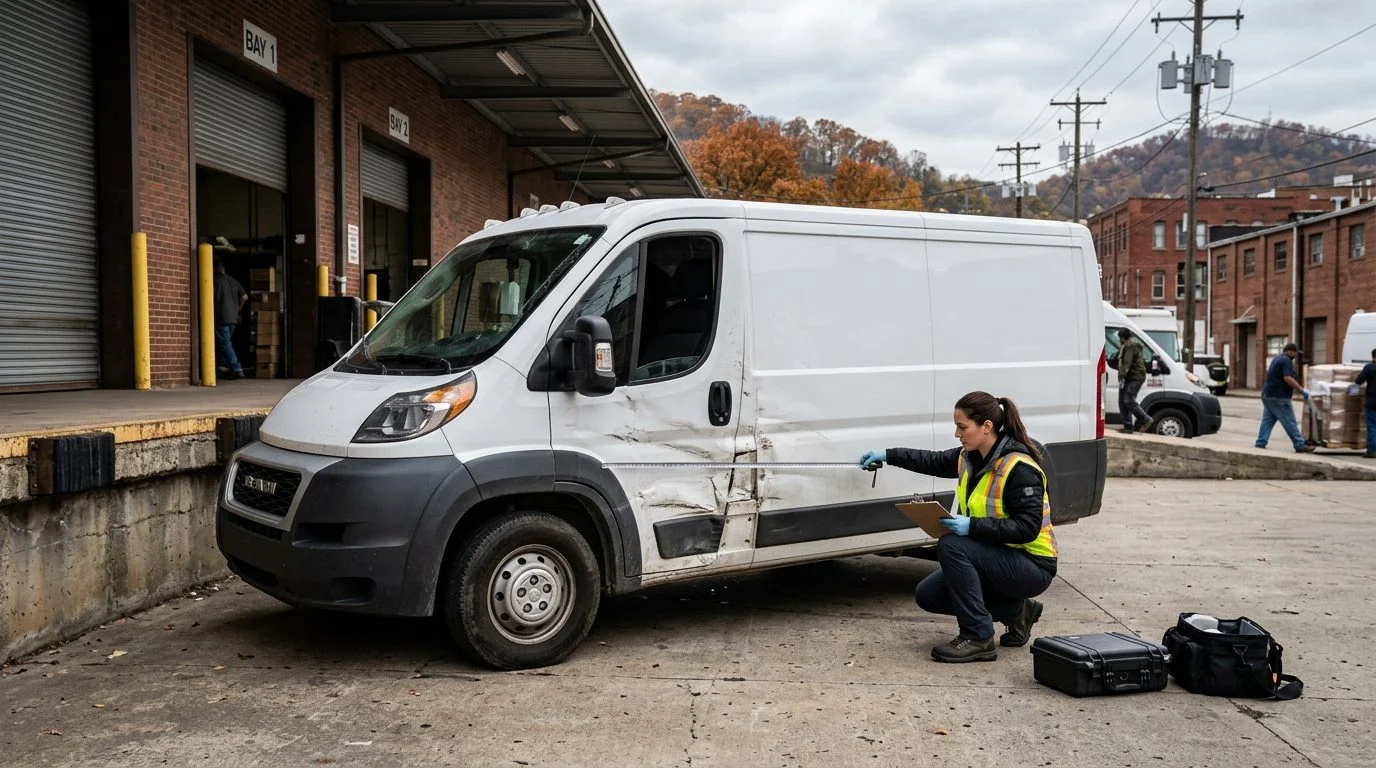
Drunk driver crash claims in West Virginia
Hit by a Drunk Driver in West Virginia? Know Your Next Steps
The criminal case and your injury claim are separate processes. Here is how families and injured people in West Virginia can approach both.
Published November 18, 2026
Being hit by a drunk driver can leave you hurt, shaken, and unsure what comes next. If you’re hit by a drunk driver in West Virginia, the criminal case against that driver and your own injury claim are two separate processes. An injured person may be able to seek compensation from the at-fault driver through a civil claim, and state law sets time limits for filing one.
This guide walks through the steps that matter most, from the scene of the crash to a family’s wrongful death claim. It focuses on West Virginia law and the questions people in this situation ask most often.
What to Do Right After a Drunk Driver Hits You
Call 911 first, then check yourself and everyone in your vehicle for injuries. If you can move safely, pull out of traffic so another crash doesn’t happen. Tell the dispatcher if you think the other driver was impaired, because that detail matters to the investigation.
West Virginia law requires a driver in an injury crash to stop at the scene and stay until the required steps are done. An intentional violation by a driver who knows someone was hurt is a crime, and the penalties rise when injuries are serious or someone dies. W. Va. Code § 17C-4-1 sets out those penalties.
If you’re physically able, ask the other driver for their name, a working phone number, and proof of insurance. Ask the investigating officer for the crash report number, too. Under W. Va. Code § 17C-4-7, for a crash resulting in bodily injury to, or death of, any person, or total property damage to an apparent extent of $1,000 or more, the officer must prepare a crash report within 24 hours after completing the investigation.
Be careful about what you say after the crash. A recorded statement given early may be used to question your claim. Some insurers may dispute a claim, so write down what you remember while it’s fresh, and ask the officer whether any impairment test was done.
If an impaired driver hit you or a family member, you may have a claim, and we're glad to talk through your situation with you. Talk it through with Big Bubba — the first case review is free, confidential, and carries no obligation.
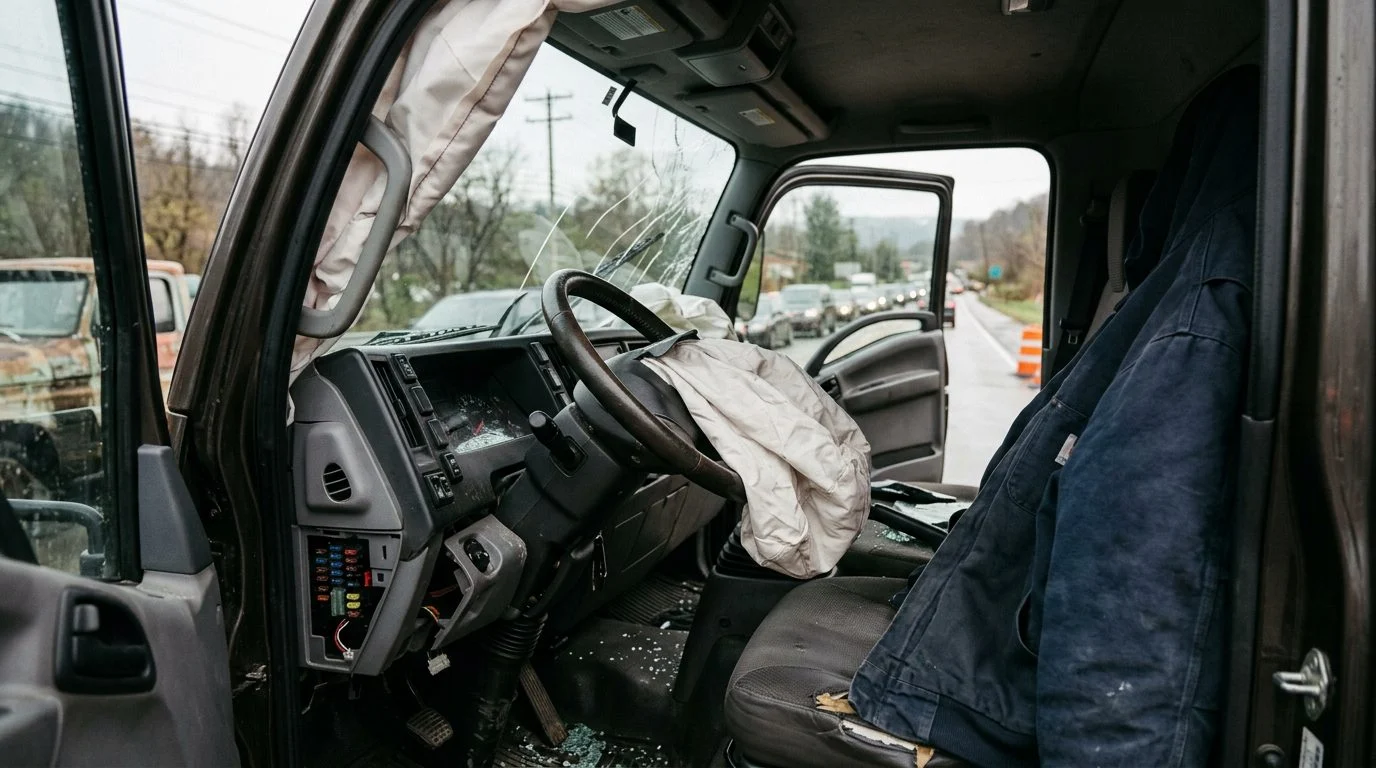
Why Medical Care and Records Matter After an Impaired-Driver Crash
Get checked by a doctor even if you only feel sore. Some brain and spinal cord injuries don’t show clear signs right away.
The U.S. Department of Veterans Affairs lists motor vehicle accidents among the common causes of traumatic brain injury. Symptoms can include headaches, dizziness, confusion, and memory trouble. These signs can appear hours or days after a crash, so a quick look at the scene is not always enough.
Spinal cord injury carries its own risks. A Christopher & Dana Reeve Foundation fact sheet notes that trauma such as car accidents can cause spinal cord injury, and that the injury’s level and severity affect function. Numbness, tingling, or weakness in the arms or legs deserves prompt medical attention.
Keep every record. Save emergency room papers, imaging results, follow-up notes, and prescription receipts. Write down new symptoms with dates, such as headaches, dizziness, numbness, or trouble remembering things. These notes help your doctors and anyone later reviewing your claim.
Criminal Charges and a Civil Injury Claim Are Separate
The state brings criminal charges against an impaired driver, and those cases run in criminal court. Your injury claim is separate. The injured person, or the family in a death case, brings it to seek compensation for losses.
Many people assume a conviction settles the civil claim. It may not. The result of the criminal case does not automatically decide your claim, though records from that case, such as the police report or test results, may still be relevant.
Keep copies of any court notices you receive. They can affect timing, and they’re easy to lose in the stress after a crash. Your civil claim follows its own rules and its own timeline, so don’t assume the criminal case will move it along.
Who May Be Responsible for Your Losses
The impaired driver who caused the crash is generally the first party a claim looks at. Other parties may also be involved in some crashes.
The 2025 amendments to this article apply to all cases filed on or after August 1, 2025. The statute defines “knowing” as knew or should have known under the totality of the circumstances.
The same statute says a person’s blood alcohol content, or the number of alcoholic beverages a person consumes, does not by itself constitute prima facie evidence that someone was visibly intoxicated, though either may be admissible as relevant evidence. Visible intoxication means objective signs of impairment shown by actual evidence.
A commercial driver faces stricter rules. Under W. Va. Code § 17E-1-14, a person who drives, operates or is in physical control of a commercial motor vehicle while having an alcohol concentration in the blood, breath or urine of four hundredths of one percent or more, by weight, is guilty of a misdemeanor. A commercial driver with any measurable alcohol, or who refuses a preliminary breath test, is placed out of service for 24 hours. When a truck or bus is involved, the driver’s employer may also be part of the claim.
Insurance Limits and Underinsured Motorist Coverage
Your own auto policy may matter when the at-fault driver’s insurance is not enough.
An underinsured vehicle is one whose liability limits are lower than the underinsured coverage you carried. Limits can also be reduced when the at-fault driver’s insurance pays other people hurt in the same crash.
Some insurers may dispute a claim or question how badly you were hurt. Keep your own policy information and the other driver’s insurance details from the crash report in one place. A clear record makes the next conversation easier.
Punitive Damages in Impaired-Driving Cases
Punitive damages are extra damages meant to punish especially reckless conduct. They are separate from compensation for your medical care and lost pay. Under W. Va. Code § 55-7-29, punitive damages may be awarded in a civil action against a defendant only if the plaintiff proves by clear and convincing evidence that the damages suffered were the result of conduct carried out by the defendant with actual malice toward the plaintiff, or with conscious, reckless and outrageous indifference to the health, safety and welfare of others.
Courts look closely at what the driver did and knew. In a civil action tried before a jury involving punitive damages, any defendant may ask for a bifurcated trial, which is a split trial. The jury decides liability and compensatory damages first; if the court finds that sufficient evidence exists to proceed with a consideration of punitive damages, the same jury then decides punitive damages in a second stage.
Because the standard is demanding, punitive damages are not part of every impaired-driving claim. Whether they are sought is a question to raise with a lawyer who reviews the full record.
Not sure what your next step is?
Talk it through with Big Bubba — the first case review is free, confidential, and carries no obligation.
Time Limits and Preserving Evidence
West Virginia generally allows two years to file a personal injury lawsuit, and exceptions may apply. Under W. Va. Code § 55-2-12, the two years run from when the right to bring the claim accrues. Waiting can put a claim at risk.
Evidence can fade quickly. Photos of the scene and vehicle damage are useful, as are the names and phone numbers of witnesses. Ask nearby businesses whether they have video, since recordings may be overwritten. Save any dashcam footage from your own vehicle.
Early recovery brings one more rule to know.
When a Family Member Is Killed by an Impaired Driver
A wrongful death claim is brought by the personal representative of the deceased person’s estate. Under W. Va. Code § 55-7-6, that action must be commenced within two years after the death, subject to the provisions of section eighteen, article two, chapter fifty-five. W. Va. Code § 55-7-6 reads: “The provisions of this section shall not apply to actions brought for the death of any person occurring prior to July 1, 1988.”
The statute lists the kinds of damages a jury may include. They cover sorrow, mental anguish, and solace, which may include companionship, guidance, and advice. They also cover reasonably expected loss of income and services, expenses for care and treatment tied to the injury, and reasonable funeral expenses. The damages are then distributed among survivors, which may include a spouse, children, parents, and others financially dependent on the person.
Grief can make these steps feel impossible. You don’t have to manage every one of them at once. If you’re unsure who the personal representative should be, raise that question early, because it controls who can file.

Key Steps in a Crash Claim
If you’re recovering from a crash, or helping a family member through a loss, you don’t have to sort out every question alone. We handle car accident, truck and commercial vehicle, catastrophic injury, traumatic brain injury, spinal cord injury, and wrongful death claims. We serve injury victims across West Virginia.
If an impaired driver hit you or someone you love, you may have a claim worth reviewing. You can reach out to the firm and ask about a free case review, which is confidential and carries no obligation to continue.