
Spinal Cord Injury | West Virginia
Understanding a T10 Spinal Injury
Plain-language answers for West Virginia families facing a spinal cord injury diagnosis.
Published November 17, 2026
When a doctor says someone has a T10 spinal injury, the words can be hard to follow. A T10 spinal injury is damage to the spinal cord at the tenth thoracic level, in the middle of the back. The level helps doctors locate the injury, but the type and severity shape what a person may feel or move.
If you’re reading this after a crash, you may be asking what this means for someone you love. This page explains the basics in plain language.
Where the T10 vertebra sits in the spine
T10 is the tenth thoracic vertebra, counted down from the top of the thoracic spine, the middle section of the back. It sits below T9 and above T11. The spine is stacked in sections, and each section has its own name and job.
The thoracic spine connects to the rib cage. That is why injuries in this area can involve the chest wall as well as the spine. Neck bones are cervical, and the lower back is lumbar.
Vertebrae are the bones of the spine. The spinal cord runs through a canal inside them. A T10 injury can refer to the bone at that level, the cord inside it, or both. Doctors use imaging and a physical exam to tell which.
If your family is working out what happened in a crash and what comes next, request a free case review and tell us what happened. You do not have to sort this out alone. Talk it through with Big Bubba — the first case review is free, confidential, and carries no obligation.
What a T10 spinal cord injury means
A T10 spinal cord injury is damage to the spinal cord at the T10 segment. Doctors use the level to describe where the injury sits along the cord.
Each level of the cord links to nerves that serve particular parts of the body. Injuries at this level usually affect the legs and trunk, while arm function is controlled by higher segments.
The T10 nerve segment carries feeling from the area around the navel. Clinicians use that map of sensation, called a dermatome, to help locate an injury. The Christopher & Dana Reeve Foundation fact sheet notes that the level and severity of an injury affect function and walking.
Complete and incomplete injuries at the T10 level
A complete injury means signal loss is total below the injury. An incomplete injury means some feeling or movement may remain. The Reeve Foundation fact sheet explains that the two types affect the body differently.
The type of injury often matters more than the level alone. Medical teams learn it through examination and testing, and the picture can change over time.
Teams track function in the weeks and months after an injury. Each person’s progress is different, so an early finding is only a starting point.
Early signs and spinal shock
Spinal shock is a temporary loss of reflexes and function below the injury. It may hide the full picture in the first period after an injury.
In that early period, a medical team may check for changes in feeling or movement in the legs and trunk. They may also look at bladder or bowel control and at breathing.
Because spinal shock makes early findings hard to read, ongoing medical evaluation matters. Emergency medical care should come first for any suspected spinal injury.
How T10 injuries happen and what is often involved
T10 injuries can involve a fracture of the vertebra, a dislocation of the bones at T10 or T11, or damage to the chest wall and nearby tissue. Imaging and examination show which pattern is present.
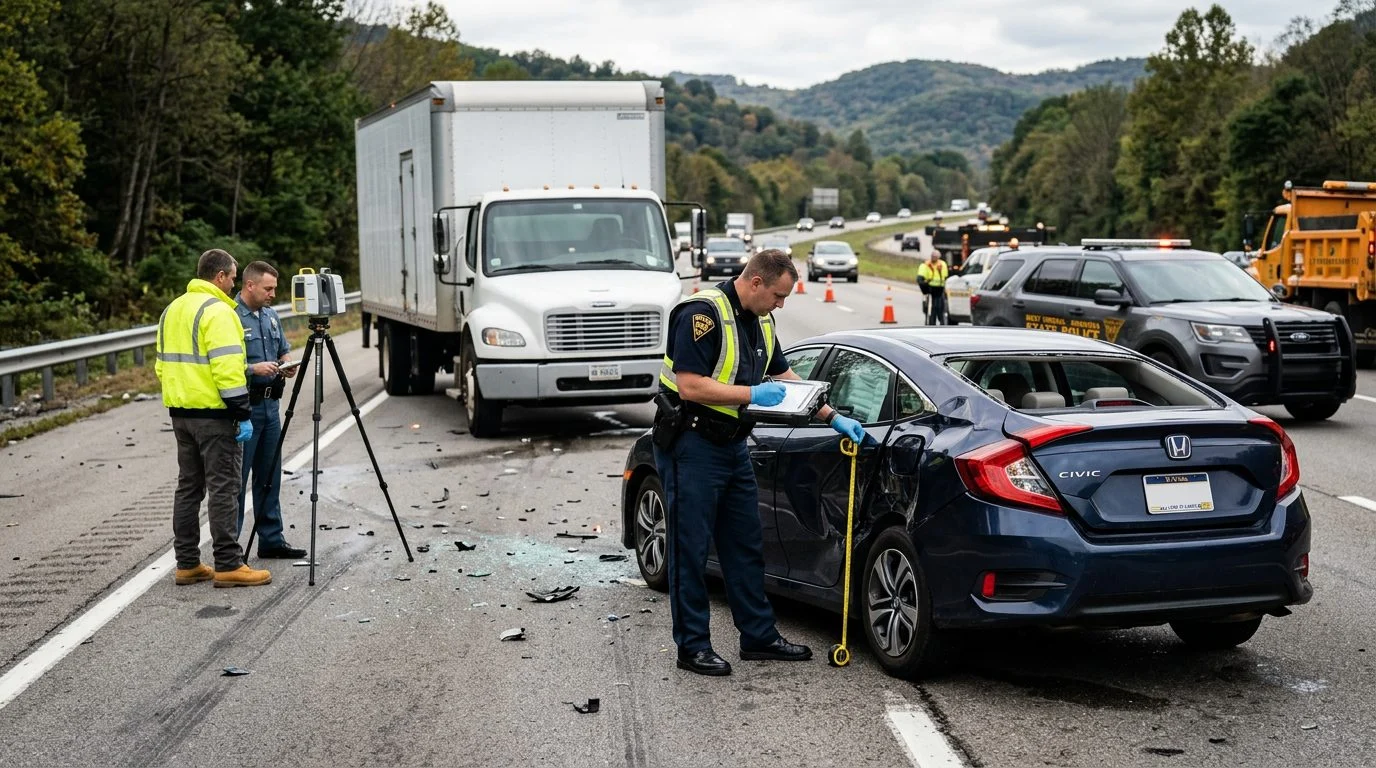
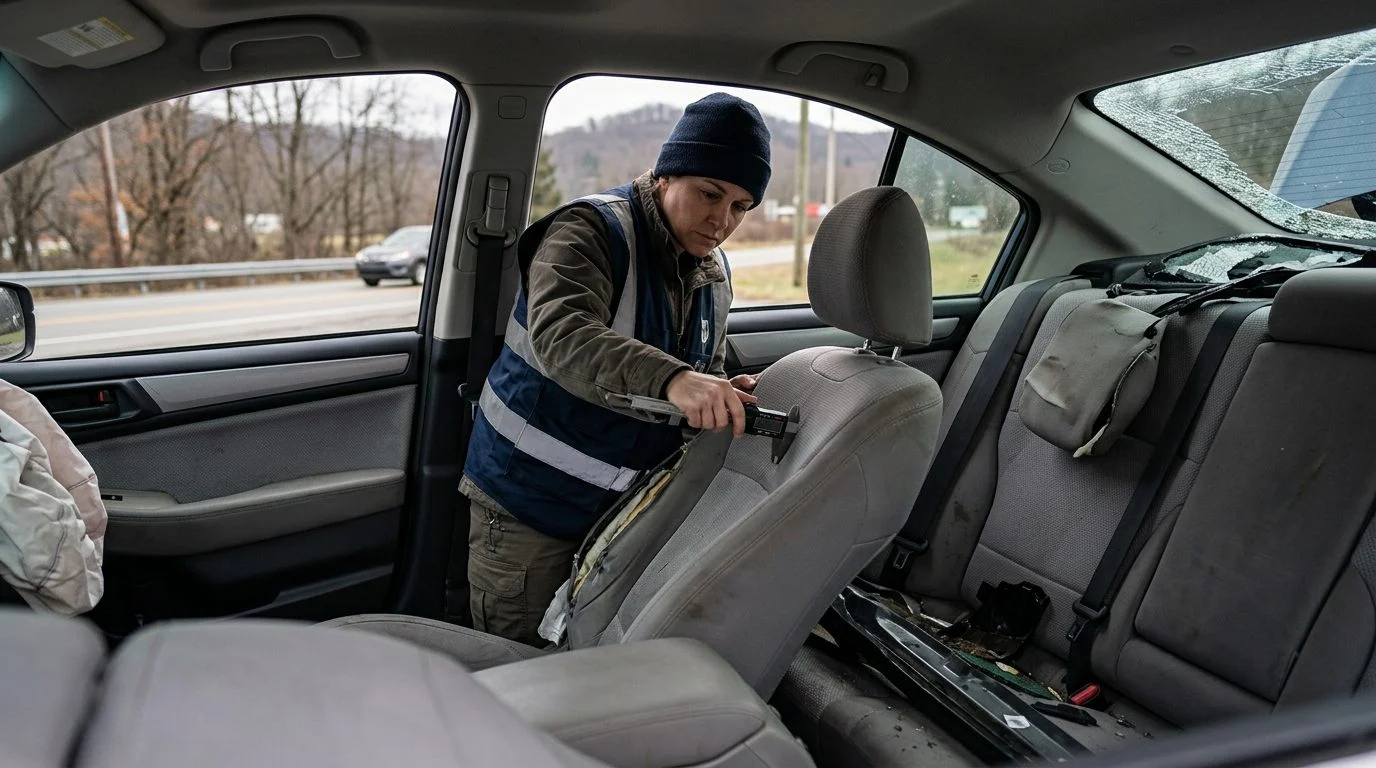
High-force impacts, such as serious car or commercial vehicle crashes, can cause spinal cord injuries. The Reeve Foundation’s causes page describes trauma as a cause. The cause of a specific injury is worked out through medical records and the facts of the crash.
If another driver was at fault, the crash paperwork matters. Under W. Va. Code § 17C-4-7, an officer who investigates a crash on West Virginia’s public streets or highways must submit a crash report within 24 hours after finishing the investigation when the crash results in bodily injury to, or death of, any person or total property damage to an apparent extent of $1,000 or more.
W. Va. Code § 55-7-6 reads: “The provisions of this section shall not apply to actions brought for the death of any person occurring prior to July 1, 1988.” See W. Va. Code § 55-7-6. See W. Va. Code § 55-7-6.
How T9 and T11 injuries compare
A T9 spinal cord injury sits one level above T10, and the two share many features. Small differences in level can change which nerves are affected.
Clinicians describe injuries using both the vertebra level and the neurological level, which is the level of the cord that is actually affected. Imaging and exams together give the fuller picture.
The same level label can describe very different injuries. Medical records usually say more than a single word can.
Not sure what your next step is?
Talk it through with Big Bubba — the first case review is free, confidential, and carries no obligation.
Living with a T10 injury and what to plan for
Daily life after a T10 injury often centers on mobility, transfers, bladder and bowel care, pain, and returning to school or work. Each of these depends on the person’s own medical picture.
A West Virginia study in PubMed Central links injury severity, completeness, and access to rehabilitation with long-term function and mobility. Rehabilitation teams set goals around each person’s condition.
The Reeve Foundation fact sheet also notes there is no proven definitive cure for spinal cord injury. Families often plan for transportation, home changes, and care needs, and that planning starts early.
If someone you love has a T10 injury
A T10 injury is one piece of a larger picture that includes the injury type, the cause, and each person’s recovery. The level alone does not answer every question.
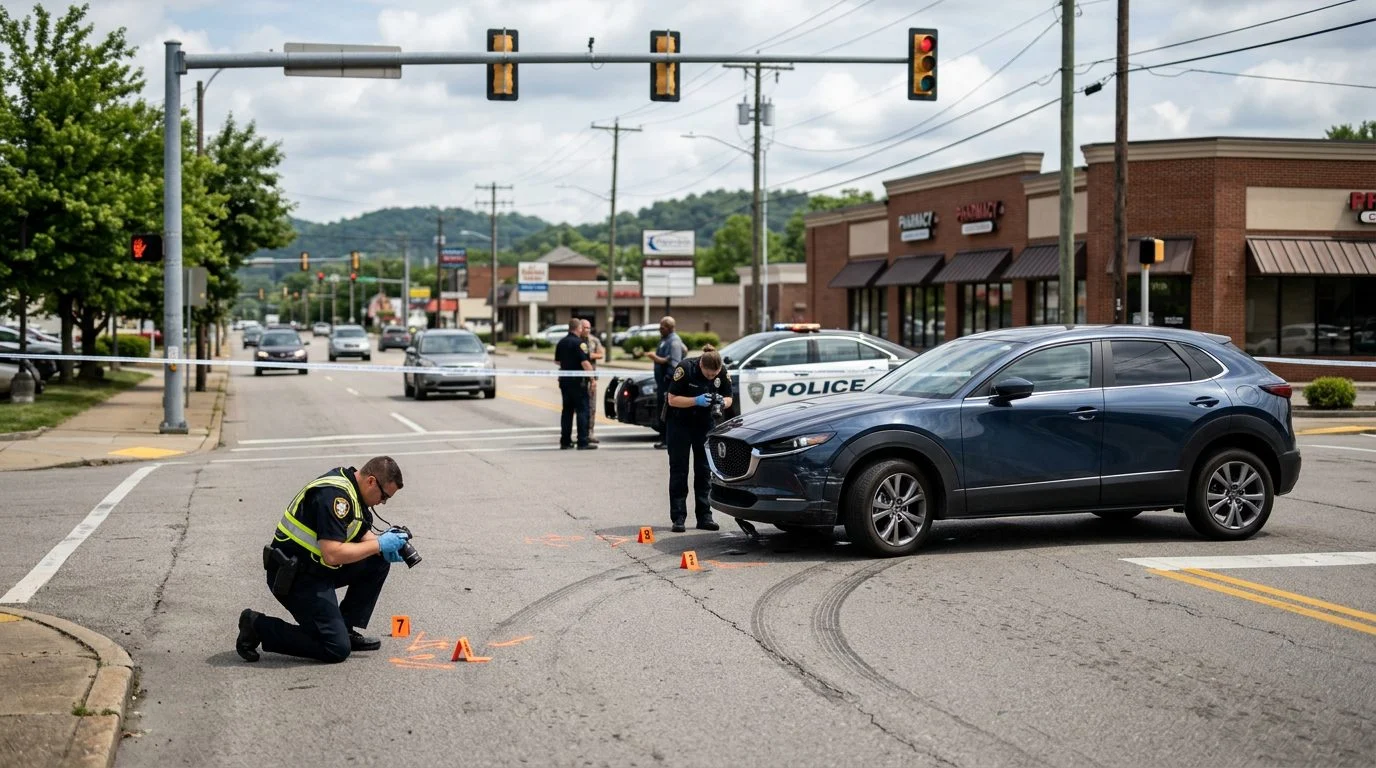
If your loved one was hurt in a crash, you may be dealing with medical terms, hospital visits, and time away from work all at once. Keeping copies of medical records and the crash report can help you follow what happens next.
The firm handles car, truck, and commercial vehicle crash claims in West Virginia, including cases involving serious spinal injuries. If your family wants to talk through what happened in the crash and the injury, request a free case review and tell the firm what happened.