
Catastrophic Brain Injury
What Is a Catastrophic Brain Injury? Definition & Impact
A catastrophic brain injury causes permanent, life-altering changes. Learn what makes an injury catastrophic and how it affects recovery, independence, and your legal options.
Published October 07, 2026
A catastrophic brain injury is a severe, permanent injury to the brain that results in lasting disability, loss of independence, or need for lifelong care. Unlike mild or moderate traumatic brain injuries, which often improve with time, catastrophic brain injuries cause changes that don’t fully reverse—affecting how a person thinks, moves, feels, and lives.
Understanding what makes a brain injury “catastrophic” matters. It affects your recovery prospects, your daily life, and your legal rights if the injury happened because of someone else’s negligence.
Defining a Catastrophic Brain Injury
A catastrophic brain injury involves severe, permanent damage to the brain that affects cognition, motor function, sensation, or behavior. The injury is so serious that it prevents a person from returning to their pre-injury life—whether that means working, living independently, or caring for themselves.
Medical professionals measure brain injury severity using the Glasgow Coma Scale (GCS), which rates consciousness and responsiveness on a scale of 3 to 15. A lower score on this scale generally reflects a more serious injury. Catastrophic injuries are also identified by imaging findings—CT scans or MRIs showing widespread brain damage—and by the duration of unconsciousness or coma.
A catastrophic brain injury is often described as one that can cause permanent disability, affect a person’s ability to earn a living, or require ongoing medical care and personal assistance. The law recognizes that these injuries carry lifelong costs and profound impacts on quality of life.

Not sure what your next step is?
Talk it through with our team — the first case review is free, confidential, and carries no obligation.
How Catastrophic Brain Injuries Differ from Other Head Injuries
Not all head injuries are the same. Understanding the difference helps explain why some people recover while others face permanent change.
Concussions and mild traumatic brain injury are the most common type of head injury. They occur when impact causes the brain to move rapidly inside the skull. Most people with concussions recover fully within weeks to a few months. Symptoms may include headache, dizziness, confusion, or memory gaps, but they typically fade as the brain heals.
Moderate traumatic brain injury causes more significant damage. Recovery takes longer—months to a year or more—and some people experience lasting symptoms like difficulty concentrating, mood changes, or fatigue. Many people with moderate TBI, however, can eventually return to work or independent living, though they may need accommodations.
Catastrophic brain injury is fundamentally different. The damage is so extensive that recovery is incomplete. A person may regain some function through intensive rehabilitation, but permanent deficits remain. They may never work again, may need assistance with daily tasks, or may require round-the-clock care. The injury changes who they are—not just temporarily, but for life.
Common Causes of Catastrophic Brain Injuries
Catastrophic brain injuries typically result from high-impact trauma. In West Virginia, the most common causes include:
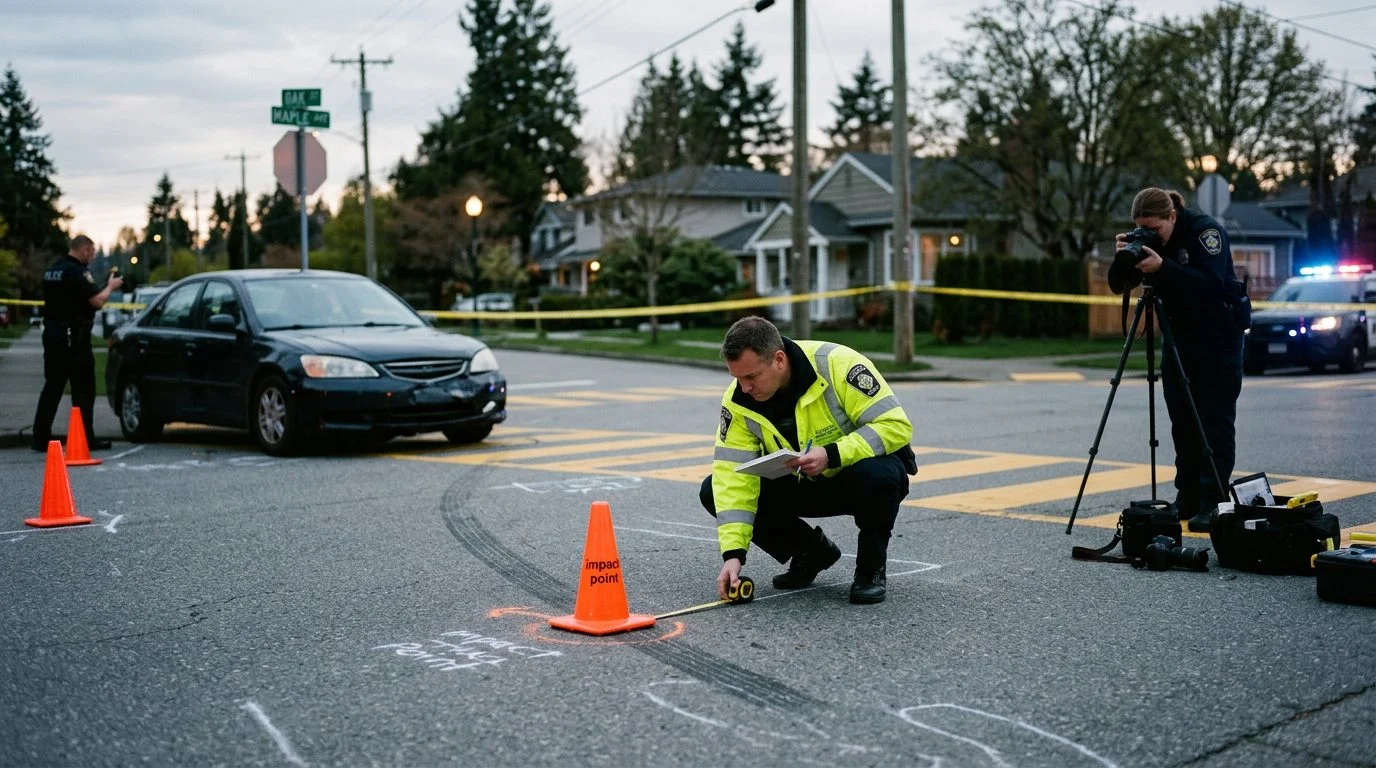
- Car accidents: High-speed collisions, rollover crashes, or ejection from a vehicle can cause severe acceleration-deceleration forces that damage the brain.
- Commercial truck accidents: The massive weight and force of a truck collision often causes catastrophic injuries to occupants of smaller vehicles.
- Falls from height: Elderly adults and construction workers are at risk; a fall from a roof, ladder, or significant height can cause devastating brain damage.
- Assaults and blunt-force trauma: Severe blows to the head can fracture the skull and damage brain tissue.
- Penetrating injuries: Objects that pierce the skull—such as bullets, shrapnel, or bone fragments—cause localized but severe brain damage.
Signs and Symptoms of a Catastrophic Brain Injury
Catastrophic brain injuries show themselves in immediate and long-term ways.
Immediate signs appear at the time of injury or shortly after: – Loss of consciousness or coma lasting hours, days, or longer – Severe headache – Seizures – Vomiting or nausea – Clear fluid draining from the nose or ears – Difficulty breathing
Cognitive changes may develop or persist: – Memory loss or inability to form new memories – Difficulty concentrating or processing information – Confusion or disorientation – Impaired judgment or decision-making – Speech or language problems – Difficulty learning or understanding
Physical effects can include: – Paralysis or severe weakness on one or both sides of the body – Loss of coordination or balance – Chronic pain – Vision or hearing loss – Sensitivity to light or sound
Behavioral and emotional changes often accompany catastrophic brain injury: – Personality changes—becoming irritable, aggressive, or withdrawn – Depression or anxiety – Emotional instability or inappropriate emotional responses – Reduced impulse control – Apathy or lack of motivation
These symptoms help establish the severity and permanence of the injury—important factors in legal claims.
Long-Term Impact on Daily Life and Independence
The real measure of a catastrophic brain injury is how it reshapes a person’s life.
Cognitive changes may prevent someone from returning to their job or any employment. A person who was an accountant, teacher, or manager may no longer be able to perform those tasks. Even simpler jobs—managing finances, following multi-step instructions, or making decisions—become difficult or impossible.
Physical limitations may require mobility aids, home modifications, or assistance with basic self-care. Some people need help getting dressed, bathing, eating, or using the bathroom. Others require 24-hour supervision and care.
The vocational impact is profound. Many people with catastrophic brain injuries never work again. This means not just lost wages, but lost identity, purpose, and social connection that work provides.
Family relationships often change. Caregivers—usually spouses or adult children—bear emotional and physical strain. Social isolation increases. The injured person may feel grief over lost independence and former abilities.
The financial burden is enormous. Lifetime costs include medical care, rehabilitation therapy, medications, adaptive equipment, home modifications, personal care assistance, and lost income. These costs can reach hundreds of thousands or millions of dollars over a lifetime.
Have questions about what happened?
Ask our team directly. The first conversation is free, confidential, and there is no obligation to continue.
Can You Fully Recover from a Brain Injury?
Recovery depends on the injury’s severity, location, age, and access to rehabilitation.
People with mild to moderate traumatic brain injury often recover substantially or fully within months to a year. The brain has remarkable capacity to rewire itself—a process called neuroplasticity—and many people return to work and independent living.
Catastrophic brain injury is different. Recovery is typically incomplete. The goal shifts from “returning to normal” to “maximizing function and independence within permanent limitations.” A person may regain some abilities through intensive rehabilitation, but significant deficits remain.
The brain can adapt and rewire even after catastrophic injury, but the damage is too extensive for full recovery. Improvement may continue for years, but it plateaus at a point where permanent disability remains.
This matters legally. Permanent injury strengthens a claim for ongoing damages—medical expenses, lost earning capacity, pain and suffering, and the cost of lifetime care.
Is Traumatic Brain Injury Considered a Chronic Condition?
Catastrophic brain injury often becomes a chronic condition requiring lifelong management.
Even people with milder injuries sometimes experience persistent symptoms—a condition called post-concussion syndrome. They may struggle with headaches, dizziness, concentration problems, or mood changes for months or years.
Catastrophic brain injury almost always becomes chronic. The person requires ongoing medical care, therapy, medication, and monitoring. They may develop secondary conditions—depression, anxiety, sleep disorders, or Parkinson’s-like symptoms—years after the injury.
This chronic status has legal significance. It supports claims for future medical expenses, ongoing therapy costs, and reduced or eliminated earning capacity. The injury doesn’t end; it requires care for life.
What’s the Worst Type of Brain Injury?
Some brain injuries are more devastating than others.
Diffuse axonal injury (DAI) involves widespread damage to nerve fibers throughout the brain. It often results from severe acceleration-deceleration forces in high-speed crashes. DAI frequently causes prolonged coma or permanent vegetative state—a condition where a person is awake but not aware.
Penetrating injuries occur when an object pierces the skull and brain tissue. The damage is localized but severe, often causing permanent loss of specific functions.
Brainstem injuries affect the brainstem—the part of the brain controlling breathing, heart rate, and consciousness. These injuries are often fatal or result in profound disability requiring 24-hour care.
Severe contusions with swelling can cause increased intracranial pressure (pressure inside the skull). This can lead to brain herniation—where brain tissue is forced out of its normal position—and death or catastrophic disability.
The worst brain injuries often result in death, permanent coma, or such profound disability that the person requires total care and supervision.
What Are the Different Stages of Brain Injury Recovery?
Recovery from catastrophic brain injury unfolds in stages, though not everyone progresses through all of them.
Acute phase (first hours to days): Medical teams focus on stabilizing the person, preventing further injury, managing bleeding and swelling, and monitoring brain function.
Early recovery (days to weeks): The person begins to regain consciousness, show awareness, and respond to stimuli. Basic rehabilitation may begin.
Active rehabilitation (weeks to months): Intensive therapy—physical, occupational, speech, and cognitive—aims to restore as much function as possible. Progress can be rapid during this phase.
Long-term recovery (months to years): Therapy continues, but progress slows. The focus shifts to adaptation, learning to live with permanent changes, and vocational retraining if possible.
Plateau phase: The point at which further recovery slows significantly. The person and their care team focus on maximizing independence and quality of life within permanent limitations.
Catastrophic injuries often plateau with significant remaining disability. Understanding these stages helps families and injured persons set realistic expectations and plan for long-term needs.

Want to know where you stand?
Tell us what happened and our team will walk you through the options available to you, at no cost.
When Your Brain Injury Happened Because of Someone Else’s Negligence
If you or a loved one suffered a catastrophic brain injury in a car accident, truck crash, or other incident caused by someone else’s negligence, the injury’s impact on your life and future matters deeply.
Understanding whether your injury qualifies as catastrophic—and what that means for your recovery, independence, and lifetime costs—is an important first step. You may be entitled to compensation for medical care, rehabilitation, lost income, pain and suffering, and the cost of ongoing care.
In West Virginia, comparative fault rules generally do not bar recovery unless your fault is greater than the combined fault of all other persons responsible for the damages, and any recovery is reduced in proportion to your degree of fault. Whether these rules help your situation depends on the facts, including how complex the circumstances were.
Time matters. West Virginia law sets deadlines for filing injury and wrongful death claims. The sooner you reach out, the sooner we can evaluate your situation and protect your rights.
If a severe brain injury has changed your life or the life of someone you love, you don’t have to face it alone. Tell us what happened, and we’ll help you understand your options.
Related practice areas
- Traumatic Brain Injury from Car and Truck Accidents in West Virginia
- Traumatic Brain Injury Claim After a Car Accident in West Virginia
- Traumatic Brain Injury Claim After a Truck Accident in West Virginia