
West Virginia Injury Guide
Was Your Crash a Traumatic Car Accident?
Serious injuries do not always look serious at the scene. Here is how the term is used, and how the firm can help you understand your options.
Published November 20, 2026
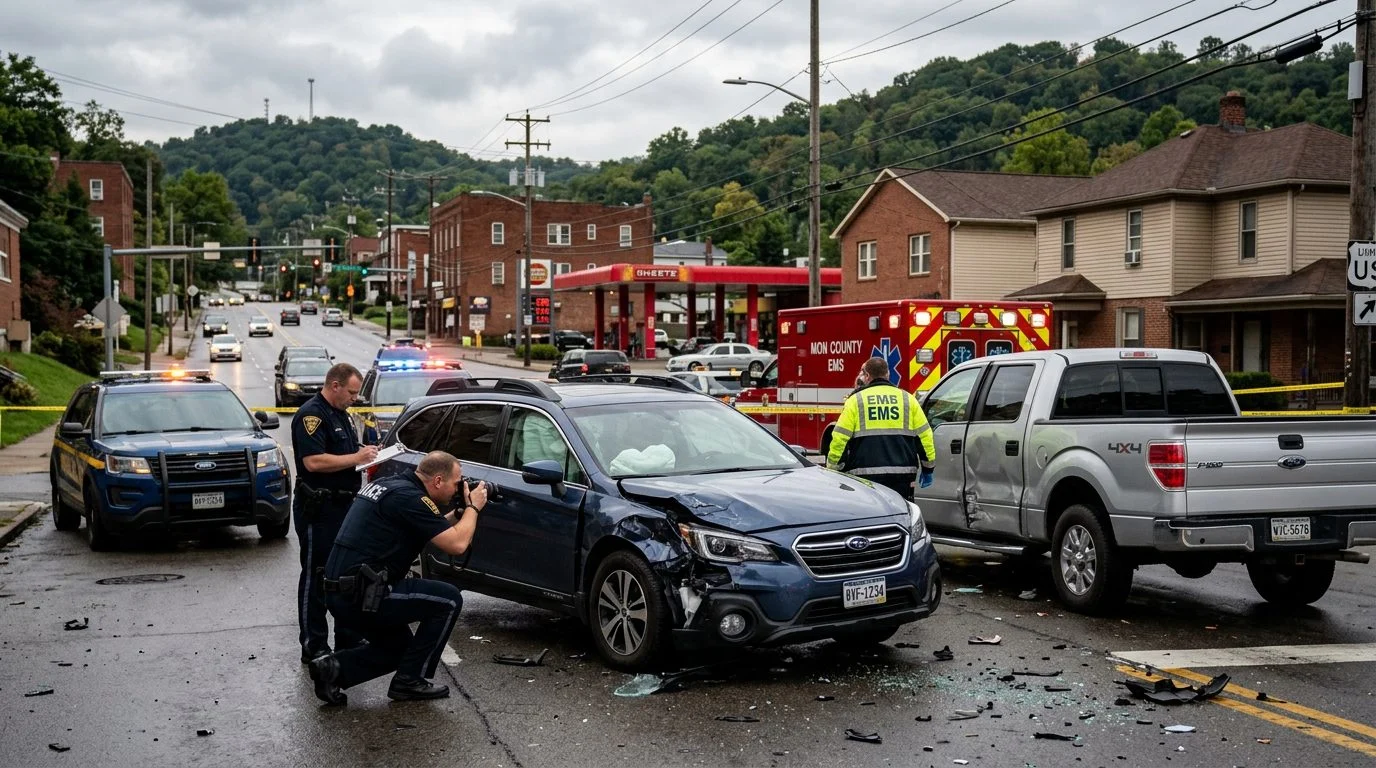
If you’re trying to make sense of a crash that hurt you or someone you love, you’re not alone in asking what it means. A traumatic car accident is a crash that causes serious physical or emotional injury. The word describes how badly a person was hurt, not only how damaged the vehicles are.
This guide explains what the term covers, which crashes count as vehicle accidents, and which symptoms may follow. It also explains why some signs appear later and how trauma may matter in an injury claim.
What the term traumatic car accident means
A traumatic car accident is a crash that causes serious harm to the body, the mind, or both. Minor bumps with no lasting effects are usually not described this way.
“Traumatic” describes the injury. It does not measure the car. A crash with light vehicle damage can still cause a serious brain injury. A badly crushed car may leave a person with only bruises. The injury is usually what matters most.
Doctors use “trauma” for physical injury caused by a sudden outside force. That includes broken bones, internal bleeding, and brain injuries. Mental health professionals use the word differently. They use it for lasting emotional reactions to a frightening event. After one crash, both meanings can apply.
West Virginia Code § 17C-4-1, the leave-the-scene statute, defines “bodily injury” for purposes of that section as injury that causes substantial physical pain, illness, or any impairment of physical condition. Within that same section, West Virginia Code § 17C-4-1 defines “serious bodily injury” as bodily injury that creates a substantial risk of death, that causes serious or prolonged disfigurement, prolonged impairment of health, prolonged loss or impairment of the function of any bodily organ, loss of pregnancy, or the morbidity or mortality occurring because of a preterm delivery. You can read those definitions in W. Va. Code § 17C-4-1.
If you're trying to make sense of a crash that hurt you or someone you love, you're not alone in asking what it means. Talk it through with Big Bubba — the first case review is free, confidential, and carries no obligation.

What counts as a vehicle accident
A vehicle accident is a crash that involves at least one motor vehicle. The category is broader than many people expect. It includes several common crash types.
Car-to-car collisions are the most familiar example. Single-vehicle crashes also count. A driver who hits a tree, a guardrail, or a ditch has still been in a vehicle accident. Pedestrians and bicyclists struck by vehicles are also part of this category. So are multi-vehicle pileups, where one impact sets off several more.
Commercial vehicles raise different questions. West Virginia’s definition of “commercial motor vehicle” covers vehicles as defined in W. Va. Code § 17E-1-3(7)(A), (B), and (D), and also includes truck tractors, road tractors, trailers, semitrailers, and pole trailers, but does not include a vehicle serving as a common carrier of passengers, a commercial motor vehicle as defined in § 17E-1-3(7)(C), a school bus, or other vehicle that is primarily engaged in transporting passengers. The state’s definitions are in W. Va. Code § 55-7-32. A crash with a commercial vehicle may involve more than one party. The driver, the vehicle’s owner, and the employer may each be involved. Records may also be kept by more than one business.
Location matters too. A crash on a highway, a city street, or a rural road can each cause serious injuries. Speed limits, traffic, and distance from help can all affect how a person is hurt and how fast they get care.
Crash forces that commonly produce serious injuries
Serious injuries often come from high-force impacts. Rollovers, head-on collisions, side-impact crashes (often called T-bone crashes), and rear-end collisions at highway speed are common examples. The greater the force, the greater the chance of serious harm.
Size also matters. A large truck or van can deliver more force to a smaller car and the people inside it. The smaller vehicle often absorbs much of that energy.
Many people do not look badly hurt at the scene. A person may stay conscious and walk away from the car. Pain, dizziness, or confusion can still develop later. A calm scene does not rule out a serious injury.
Physical trauma: brain and spinal cord injuries
Brain and spinal cord injuries are among the physical injuries people call traumatic. Both can come from a blow to the head or neck, or from a sudden stop that jolts the body.
A traumatic brain injury happens when an outside force disrupts normal brain function. A concussion is one form, and it can be mild. More serious brain injuries can involve bleeding or swelling. According to a PMC review on brain injuries, traumatic brain injury effects may be long-lasting and may not be immediately apparent after an accident. The same review notes that mild brain injury can be difficult to diagnose.
A spinal cord injury can affect how a person moves, feels sensation, and controls parts of the body. Because these injuries can last a long time, they are often grouped with catastrophic injuries. A catastrophic injury is a serious injury with long-term effects on a person’s life.
Recovery from a brain injury often involves several kinds of care. The Model Systems Knowledge Translation Center fact sheet on TBI describes rehabilitation that can span emergency, acute, and longer-term care. If there is any chance of a head or neck injury, get a medical evaluation soon after the crash. Imaging and a physical exam can help document what is happening.
Emotional trauma: signs and symptoms that can follow a crash
Emotional trauma can follow a crash even when physical injuries are minor. The mind can react to a frightening event for weeks or months.
Common warning signs include intrusive memories of the crash and nightmares. A person may avoid driving or riding in cars. Others feel jumpy, have trouble sleeping, or become irritable. Concentration can suffer, too. Some people react strongly to sounds like screeching tires or sirens.
Post-traumatic stress disorder (PTSD) is a recognized condition that can develop after a traumatic event. Symptoms can vary in intensity and timing. Some people notice them within days. Others notice them months later. Only a medical or mental health professional can diagnose PTSD, so talk with a doctor if these signs continue.
Emotional trauma can affect more than sleep and driving. It may change work, family life, and daily routines. A parent who stops driving a child to school, or a worker who cannot focus on a job, may be living with a real injury.
Why some symptoms appear days or weeks later
Some symptoms do not show up right away after a crash. This delay can make people wonder whether the crash caused them.
Headaches are one example. A study on delayed post-traumatic headache after a motor vehicle collision notes that headaches can worsen over time. The same source notes that some headaches may reflect a serious secondary condition. Worsening symptoms may need prompt emergency care.
Brain injuries can also show signs late. As noted above, brain injury effects may not be immediately apparent. Emotional reactions can also surface after the first few days.
A delayed symptom can be harder to connect to a crash. That is one reason a medical record created soon after the crash may matter. It helps show when symptoms first appeared and what the person reported.
A simple written log can help. Record the date, each symptom, how severe it felt, and any activities you missed. Also note each medical appointment and what the provider said. A log does not change how the body heals. It does give you a clear timeline to share with your doctor and, if needed, with others helping you.
Not sure what your next step is?
Talk it through with Big Bubba — the first case review is free, confidential, and carries no obligation.
How trauma may relate to an injury claim
Trauma can be part of an injury claim. How it is handled depends on the facts and the law that applies.
In many claims, physical and emotional harm may both be considered. The types of losses a person can recover depend on the facts and on applicable law. A claim based on a brain or spinal cord injury may need different evidence than a claim based mainly on soft-tissue injuries.
Evidence that may be relevant includes medical records and treatment notes. Statements from family members or coworkers about changes in daily life may also help. A personal journal can add detail, as described above.
Some insurers may dispute how serious an injury is or whether symptoms are linked to a crash. That is one reason good documentation matters early.
Under W. Va. Code § 55-7-13a, recovery in a personal injury or wrongful death action is generally predicated on principles of comparative fault, with liability allocated to each person who proximately caused the damages in direct proportion to that person’s percentage of fault. Under W. Va. Code § 55-7-13c, a plaintiff’s fault can reduce recovery. It can bar recovery only if the plaintiff’s fault is greater than the combined fault of all others responsible. If another driver was at fault, that fault may be weighed in the claim.
Commercial crashes may follow federal testing rules. Under 49 CFR § 382.303, an employer may need to test drivers after certain crashes.
If you or a family member was affected by a serious crash
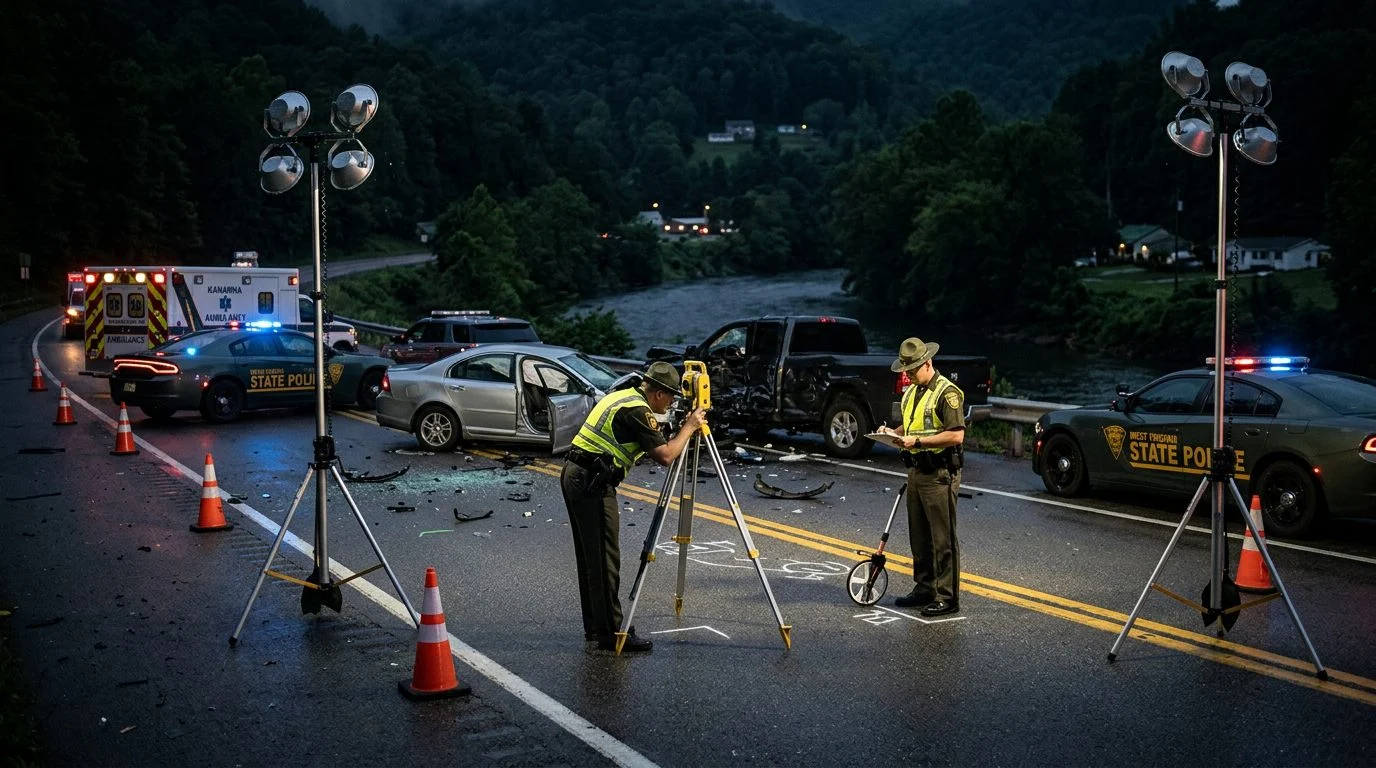
If a crash has left you or someone you love struggling, the medical and legal questions may feel like a lot to handle at once, and you can reach out to the firm to talk through them. Many people research these questions while managing appointments, missed work, and worry about a loved one. That is a hard place to be.
Right now, the main decisions may be whether symptoms point to a traumatic injury and whether to speak with a personal injury firm about the crash. Those decisions take time, and the answers may change as more medical information comes in.
We handle car accident, truck accident, and commercial vehicle claims. We serve injury victims across West Virginia. If you want to talk through what happened, you can request a free case review with our firm.
For more background, read our traumatic brain injury resource and our truck and company vehicle claims page.