
Families Across West Virginia
Your Child Was Hurt in a Truck Crash. You Don't Have to Sort Out What Comes Next Alone.
A plain-language guide for parents of injured children, with information on what to document, what to watch for, and how to reach out for a free case review.
Published November 6, 2026
When Your Child Is Hurt in a Truck Crash, Where to Start
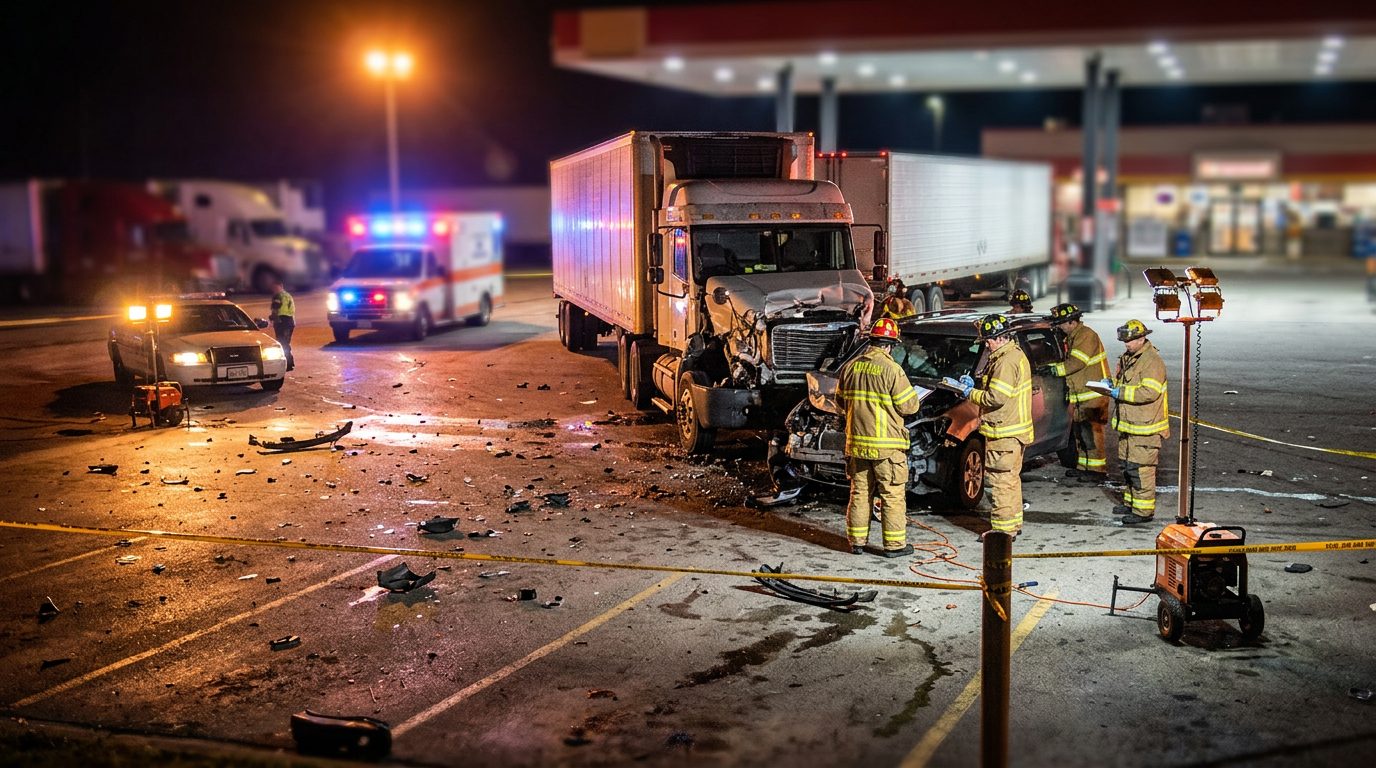
When a child is hurt in a truck crash in West Virginia, medical care comes first. Records come next, and then the question of who can act for your child in a claim. This guide walks parents through those steps in order.
Seeing your child hurt is frightening. Many parents are dealing with hospital visits, fear, and a long list of questions all at once. You don’t need every legal answer today. You do need to know what matters most right now.
This page covers medical follow-up, why a child’s injuries can take time to show, what records to keep, and who may act for a minor. For background, see our truck accidents page. The firm handles truck accident claims, commercial vehicle claims, and serious injury cases across West Virginia.
If your child is still having symptoms after a truck crash, you don't have to sort out the next steps alone. Reach out to us for a free case review. Talk it through with Big Bubba — the first case review is free, confidential, and carries no obligation.

Getting Your Child Medical Follow-Up, Even When Symptoms Seem Minor
Get your child checked by a doctor or emergency provider after any truck or commercial vehicle crash. Do this even when your child seems fine. Kids often don’t describe pain well, and some injuries are hard to see.
Tell every provider how the crash happened. Say that the other vehicle was a truck or commercial vehicle. Describe whether your child was thrown, struck, or hit something inside the car. How a crash happens can matter to the care team.
Get care promptly if your child has unusual drowsiness, repeated vomiting, confusion, a headache that keeps getting worse, trouble walking, or sudden changes in behavior. A medical professional should check any concern. Don’t wait to see whether it passes on its own.
Keep every follow-up visit. Ask the provider to write down recommendations, activity limits, and referrals. Those notes give you a clear record of the care that was recommended for your child.
Why a Child’s Injuries May Take Time to Show
A child’s brain and body are still developing. Some injuries, including concussions and other brain injuries, may not show their full effects right away. A child can seem fine on the day of the crash and still have problems later.
Symptoms that appear later may still be connected to the crash, depending on the facts. A medical provider can help explain what your child is experiencing and what tests or follow-up may be needed.
Watch for changes at school, in sleep, in mood, with friends, and in sports or chores. A child may not say, “my head hurts.” They may seem tired, irritable, or behind in class. Report those changes to a doctor and write them down. For more on brain injuries, see our traumatic brain injury page.
Keeping Records That Help Document Your Child’s Injury
Start a folder now, on paper or digital. Keep medical bills, visit summaries, prescriptions, and discharge instructions together. Store them in date order so they’re easy to find.
Keep a simple daily journal. Note sleep, missed school days, sports or activity limits, headaches, and mood changes. Write in your own words and date each entry.
Photos can help. If it’s safe, take pictures of the scene, the vehicles, and any visible injuries. Write down the names of any witnesses you learn of, along with their phone numbers if you have them.
Ask the investigating agency how to request a copy of the crash report. The agency that responded may have one, and it can tell you how to ask for it.
Be careful online. Avoid posting about the crash or your child’s injuries on social media. If an insurance company calls, you don’t have to decide anything on the spot.
Who May Speak for a Minor in a West Virginia Injury Claim
Rules about who signs papers and who speaks for the child can be complex.
Time limits matter. West Virginia generally allows two years to file a personal injury action, and exceptions may apply (W. Va. Code § 55-2-12).
Early contact is also governed by statute. For 20 days after a personal injury, a person generally may not negotiate a settlement with an injured person who is in the hospital or unable to work. Any settlement, release of liability or statement made in violation of this section may be disavowed by the injured person at any time within one hundred eighty days from the date of the personal injury by executing a written statement of disavowal and forwarding a copy of it to the person who violated this section (W. Va. Code § 55-7-11a).
How a Truck Crash Can Differ From Other Vehicle Crashes
A truck crash can involve more parties than a car crash. The driver, the trucking company, the vehicle owner, or another company may each play a role. Figuring out who is responsible can take extra work, depending on the facts.
Whether it applies depends on the facts of each crash.
Federal safety rules govern drivers and carriers. The FMCSA hours-of-service rules set limits on driving time and required rest. These federal rules are collected in Title 49 of the Code of Federal Regulations.
West Virginia also limits certain noneconomic damages in some commercial truck cases, and that limit has exceptions (W. Va. Code § 55-7-32). Under modified comparative fault, a person’s own share of fault reduces recovery in proportion to that person’s degree of fault, and it bars recovery only if the plaintiff’s fault is greater than the combined fault of all other persons responsible for the damages. Because these records can disappear on a schedule, raising a truck claim early can help.
Not sure what your next step is?
Talk it through with Big Bubba — the first case review is free, confidential, and carries no obligation.

Information to Bring When Discussing a Child’s Injury Case
The firm handles truck accident claims, commercial vehicle claims, and cases involving serious brain and spinal cord injuries and wrongful death across West Virginia. If your child is still having symptoms, medical bills are arriving, and you aren’t sure who should speak for your child, you have questions worth asking.
Reach out to the firm to talk through your child’s situation. You can request a free case review, which is confidential and carries no obligation to continue. The firm can’t promise any result, but it can explain how the process generally works.
Frequently Asked Questions
The details depend on the facts of the case.
How long do families have to file?
West Virginia generally allows two years for personal injury actions, and exceptions may apply. The time period for a minor can differ.
Why might a child’s symptoms show up later?
Some brain and body injuries may not show their full effects right away. A medical provider can explain what your child is experiencing.