
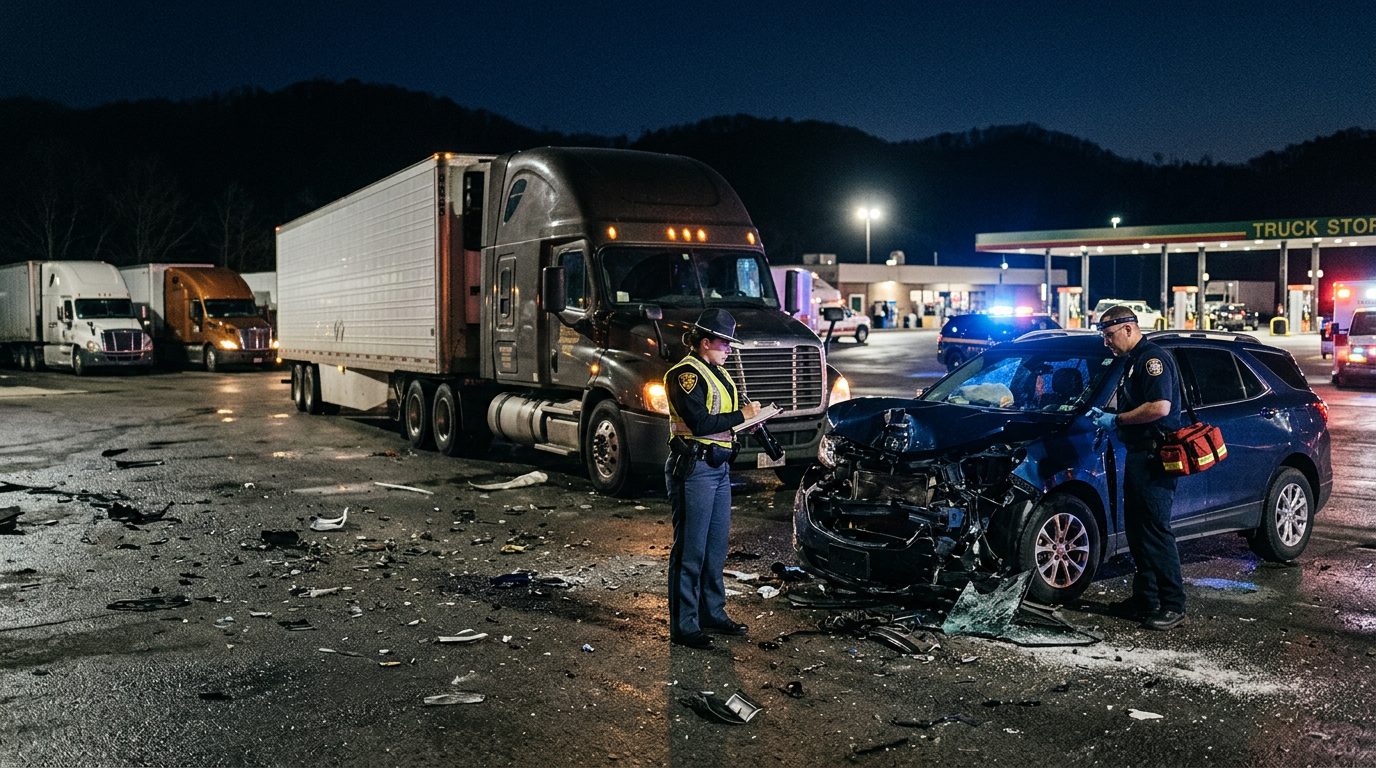
West Virginia Truck Crash Injuries
Emotional Injuries After a Truck Crash: Can You Sue in West Virginia?
Fear, anxiety, and sleepless nights are real harms. Here is how they fit into a personal injury claim, and how the firm can help you think it through.
Published November 27, 2026
A truck crash can leave you frightened, unable to sleep, or afraid to get behind the wheel, even after the visible injuries begin to heal. If that’s where you are, you may be asking whether those feelings can be part of a claim.
Yes, emotional injuries after a truck accident in West Virginia can be part of a claim, and state law sets the rules for how they are pursued. This page explains the common emotional injuries, how they are documented, and the deadlines that matter.
Why Emotional Injuries Matter After a Truck Crash
Emotional injuries are a real part of recovery after a truck crash. They can change daily life in lasting ways.
Large trucks are heavy, and a collision with one often feels sudden and violent. Many people replay the moment over and over. Some feel shaken right away. Others feel fine for weeks, then notice fear or sleepless nights building up.
Those reactions count. A physical injury can heal while the emotional effects continue, and both belong in your story when you talk about what happened.
If a truck crash has left you frightened, sleepless, or grieving, you don't have to sort out the legal questions alone. We're glad to talk through what happened with you. Talk it through with Big Bubba — the first case review is free, confidential, and carries no obligation.

Common Emotional Injuries Following a Truck Accident
Anxiety, depression, sleep trouble, and memories that keep coming back are among the emotional injuries people often describe after a serious crash. These can show up together or one at a time.
Anxiety often looks like constant worry about the next trip. Your heart may race when a semi passes you on the highway or when you hear brakes squeal. Depression may look different. You might lose interest in things you used to enjoy, or feel hopeless about the future.
Sleep trouble is one of the most common complaints. People describe lying awake, waking from the same dream, or dreading bedtime. Intrusive memories can appear without warning, at work, at the store, or in the middle of the night.
Emotional reactions don’t always appear at the scene. They can show up days or weeks later, once the adrenaline wears off and routines return. Writing down when symptoms start can help you keep an accurate record.
The size and sound of large trucks can make ordinary road travel feel threatening to some people. A truck that passes close by can bring the crash back in an instant.
A head injury can also be part of the picture. The Administration for Community Living describes traumatic brain injury as severe brain damage caused by an external force, and it notes that automobile accidents can cause it. Mood and behavior changes can follow a brain injury, so tell your doctor about any changes you notice.
Post-Traumatic Stress Disorder (PTSD) After a Crash
Post-traumatic stress disorder, or PTSD, is a condition that a qualified mental health professional diagnoses after a traumatic event. Only a clinician can make that diagnosis.
PTSD symptoms tend to fall into a few patterns. Some people avoid driving, certain highways, or the stretch of road where the crash happened. Others stay on guard, scanning mirrors and jumping at noises. Nightmares and emotional numbness are also common after serious crashes.
A diagnosis, when one is made, usually appears in medical or counseling records. Those records can matter to a claim because they show what was diagnosed, when, and by whom. They also show how symptoms change over time.
Not everyone who is frightened after a crash develops PTSD. Other conditions, such as anxiety or depression, may be involved instead of or alongside it. A clinician can help sort out what fits your symptoms.
Fear of Driving and Changes to Daily Life
Fear of driving after a truck crash can change how you get to work, school, medical visits, and family events. For some people, that change is one of the most visible effects of the crash.
You might avoid highways, take longer side roads, or stop driving at night. Some people ask family members or coworkers for rides. Others simply stop going places they used to go. These changes can add up to lost shifts, missed appointments, and strain at home.
Changes in daily life are often part of how emotional injuries are described and documented. A clear record of what changed shows the difference between how you lived before the crash and how you live now.
A simple written record helps. Each week, note the trips you avoided, the help you needed, and any shifts or appointments you missed. Add the date and a few words. Over time, the list shows a pattern that is hard to recall from memory.
Can Emotional Injuries Be Pursued in a West Virginia Claim?
Emotional harm may be part of a West Virginia claim, but the answer depends on the facts and the rules that apply.
West Virginia uses a modified comparative fault rule (W. Va. Code § 55-7-13c). W. Va. Code § 55-7-13c reads: “(c) Any fault chargeable to the plaintiff shall not bar recovery by the plaintiff unless the plaintiff’s fault is greater than the combined fault of all other persons responsible for the total amount of damages, if any, to be awarded.” Otherwise, your recovery is reduced in proportion to your share of fault. Partial fault does not automatically end a claim.
Pain and suffering is a category of potentially recoverable tort damages. The American Law Institute covers damages law in its torts and remedies project. State law sets how these damages are handled in a given case.
Deadlines matter. Under W. Va. Code § 55-2-12, a personal injury action generally must be brought within two years after the right to bring it accrues. Exceptions may apply, so it’s wise to act early.
A claim generally needs to show who was at fault, what the injury was, and how the crash caused it. Emotional harm is often presented alongside physical injuries.
Common Questions
Can you pursue emotional distress after a truck accident in West Virginia?
Emotional harm may be part of a claim, and state law sets the rules for how it is pursued.
How long do you have to file a personal injury case in West Virginia?
West Virginia generally allows two years, and exceptions may apply.
Does fear of driving count as an injury?
Fear of driving may be described and documented as part of an emotional injury.
How Mental and Emotional Suffering Is Documented
The records you keep now can help show how the crash changed your life. Medical care is a good place to start.
Useful evidence may include medical and counseling records, prescriptions, treatment notes, and a symptom journal. Keep appointment dates, the names of providers you saw, and what they said about your symptoms. Keep follow-up visits too, because gaps in care may be questioned later.
Statements from family members, friends, or coworkers can also help. They may have noticed changes in your sleep, mood, or driving. A short written note from someone who saw the change, written close to the time, can be useful.
Start with the crash report. Under W. Va. Code § 17c-4-7, an officer who investigates a motor vehicle crash occurring on the public streets or highways of this state and involving bodily injury, death, or total property damage to an apparent extent of $1,000 or more must prepare a report within 24 hours after finishing the investigation. The same law requires the officer, within 24 hours of the crash, to provide owner, operator, and insurance information upon request, at no cost, to each of the other involved parties and to each party’s respective insurance agents.
Keep copies of any letters or notes of calls from insurers. Some insurers may dispute a claim, so written records of what was said are helpful.
Not sure what your next step is?
Talk it through with Big Bubba — the first case review is free, confidential, and carries no obligation.
Emotional Harm When a Loved One Dies in a Truck Crash
When a truck crash causes a death, the family is left with grief, shock, and many questions at once. You don’t need every answer to begin.
Under W. Va. Code § 55-7-6, a wrongful death action is brought by and in the name of the personal representative of the deceased person’s estate, who has been duly appointed. The statute also sets out how any recovery is distributed.
The statute lists damages a jury may include in its verdict. These include sorrow, mental anguish, and solace, which may include society, companionship, comfort, guidance, and advice of the decedent. They also include reasonably expected loss of the decedent’s income and of the services, care, and assistance the decedent provided.
So loss of companionship is part of how these claims are described. The jury or court may direct in what proportions damages are distributed to the surviving spouse and children, including adopted children and stepchildren, brothers, sisters, parents, and any persons who were financially dependent upon the decedent or would otherwise be equitably entitled to share, after making provision for those expenditures, if any, specified in subdivision (2), subsection (c) of this section.
Time limits are strict. Generally, a wrongful death action must be commenced within two years after the death, and exceptions may apply. W. Va. Code § 55-7-6 reads: “The provisions of this section shall not apply to actions brought for the death of any person occurring prior to July 1, 1988.” Under W. Va. Code § 55-7-8, when an injured person dies from the injury, the action may be revived in the name of the personal representative. That is why the date of death matters.

Talking Through Your Situation With Big Bubba
If you’re living with fear, sleepless nights, or grief after a truck crash, the legal side can feel like one more weight. You don’t have to carry it by yourself.
Big Bubba handles truck accident claims, catastrophic injuries, traumatic brain injuries, spinal cord injuries, and wrongful death cases across West Virginia. We serve Charleston, Huntington, and Morgantown injury victims, along with people in other parts of the state. Our West Virginia truck accident page covers the basics of these claims.
If you’re ready to tell us what happened, you can request a free case review of your situation.