
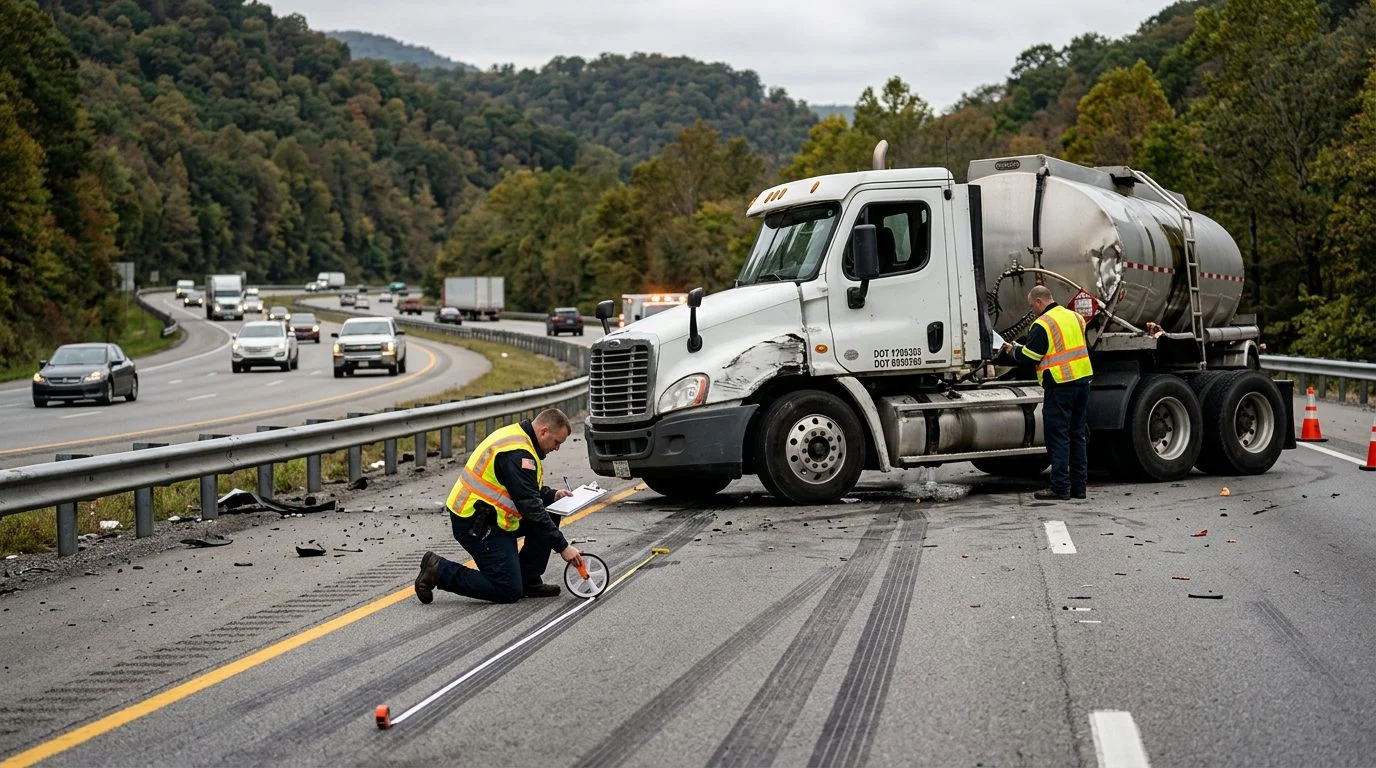
Tanker Truck Accidents | West Virginia
Hurt in a Tanker Truck Crash? Talk With the Firm About Your Case
Big Bubba Injury Law represents people seriously hurt in tanker truck and commercial vehicle crashes, and families in wrongful death cases, across West Virginia. Reach out for a free case review, with no obligation to continue.
Published October 25, 2026
This page covers what to know if you need a tanker truck accident lawyer West Virginia families can call after a serious crash. Tanker crashes differ from ordinary car wrecks. The truck carries liquid, gas, fuel, or chemicals, and more than one company may share responsibility. Big Bubba Injury Law handles car and truck crashes, commercial vehicle accidents, catastrophic injuries, traumatic brain injury, spinal cord injury, and wrongful death claims across West Virginia. Here is what to know.
What a Tanker Truck Crash Case Involves
A tanker truck crash case is a personal injury or wrongful death claim that involves a commercial tanker. Tankers haul liquids, gases, fuel, or chemicals in a sealed tank. A crash can cause ordinary injuries, plus a fire, a spill, or a release of hazardous material.
Common crash types include:
- Rollovers on curves, ramps, and exit roads
- Jackknifes, where the trailer swings out of line with the cab
- Rear-end and head-on collisions
- Tank punctures that release cargo onto the road
- Fires that spread to nearby vehicles
The cargo often changes the case. Fire, chemical exposure, and cleanup can add to the injuries and losses, and they can bring more people and companies into the review.
We serve injured drivers, passengers, and pedestrians, and families of people killed, across West Virginia. That includes Charleston, Huntington, Morgantown, Wheeling, Martinsburg, Parkersburg, Beckley, Clarksburg, Fairmont, and Weirton. For the wider picture, read this truck accident overview for West Virginia.
If someone you love was hurt or killed in a tanker crash they did not choose, you do not have to work out the next steps alone. Tell Bubba what happened in a free case review. Talk it through with Big Bubba — the first case review is free, confidential, and carries no obligation.

Why Tanker Crashes Often Involve More Than One Party
Tanker crashes often involve more than one party. The driver, the company that operates the truck, and the company that owns or controls the tank may each have a role.
West Virginia law defines an “employer defendant” in commercial vehicle cases to include the vehicle’s owner, the operator’s employer, and anyone holding legal control over the vehicle or driver (W. Va. Code § 55-7-32). Other parties, such as a maintenance contractor, may also be part of the review.
Liquid cargo can shift inside a partly filled tank. This is called liquid surge, and it can affect braking and stability. Federal knowledge requirements for the tank vehicle endorsement cover cargo surge and how baffled and non-baffled tanks handle differently (49 C.F.R. § 383.119). The minimum levels of financial responsibility referred to in 49 C.F.R. § 387.9 list $5,000,000 in public liability for certain hazardous substances transported in bulk in cargo tanks, portable tanks, or hopper-type vehicles, for for-hire and private carriers with a gross vehicle weight rating of 10,001 or more pounds in interstate, foreign, or intrastate commerce (49 C.F.R. § 387.9).
West Virginia uses comparative fault. Fault is split by percentage among everyone whose conduct contributed to the harm (W. Va. Code § 55-7-13a). A lawyer can review each party’s role early, which helps show who may be responsible.
Injuries and Losses in Tanker Truck Cases
Catastrophic injuries are among the most serious harms in these crashes. The firm handles catastrophic injury claims, including traumatic brain injury and spinal cord injury. Rollovers and high-speed impacts can cause injuries that need long-term care and can limit a person’s ability to work.
Burn injuries and chemical exposure can follow a fuel fire or a release. Some symptoms can show up hours or days later, so follow-up medical care matters.
When a crash causes a death, the claim is brought by the personal representative of the deceased person’s estate. It must start within two years after the death, subject to the provisions of section eighteen, article two, chapter fifty-five (W. Va. Code § 55-7-6). W. Va. Code § 55-7-6 reads: “The provisions of this section shall not apply to actions brought for the death of any person occurring prior to July 1, 1988.” West Virginia law lists damages that may include:
- Sorrow, mental anguish, and solace
- Reasonably expected loss of income and of services, protection, and care
- Expenses for care, treatment, and hospitalization
- Reasonable funeral expenses
Reasonably expected loss of the decedent’s income can also be part of a claim. The firm handles wrongful death cases for families across West Virginia.
Evidence That Tends to Matter Early
The records that matter most in a tanker case often come from the trucking company. Some records are kept only for set periods, so acting early helps. Key records can include:
- Electronic logging device data. Federal rules require motor carriers operating commercial vehicles to record duty status this way, with limited exceptions (49 C.F.R. § 395.8).
- Shipping papers and placards that show what the tank carried.
- Drug and alcohol testing records, where federal testing rules apply (FMCSA testing rules).
- Maintenance and inspection reports, scene photos, and police or emergency response reports.
Logs can show driving time and rest breaks. Read more in this hours-of-service logs guide.
Injured people and families can also act now. Get medical care, keep records of treatment and missed work, photograph injuries, and write down what you remember while it is fresh.
Talking to Insurers After a Tanker Wreck
Talking with an insurer can have lasting effects, so it helps to understand a request before you answer it. A trucking company’s insurer may contact you quickly and may ask for a recorded statement.
Learn more about recorded statements with trucking insurers.
Avoid guessing about fault or about how badly you are hurt. Do not sign releases or medical authorizations until you understand what they cover. These points are general information, not legal advice for any one person.
Frequently Asked Questions About Tanker Truck Crashes in West Virginia
Here are short answers to common questions.
Is a tanker crash different from a regular car accident?
Often, yes. Commercial carriers, cargo type, federal trucking rules, and several possible defendants can make these cases more involved.
How long do I have to file a claim in West Virginia?
Personal injury claims must generally be brought within two years under W. Va. Code § 55-2-12. Wrongful death claims generally must be brought within two years after the death, subject to other provisions of West Virginia law (W. Va. Code § 55-7-6). Other rules can apply, depending on the facts.
Who brings a wrongful death claim?
The personal representative of the deceased person’s estate brings the claim for the family.
Do I have to talk to the insurer right away?
Understanding the request first helps you decide.
What should I do while I recover?
Focus on medical care and keep notes. A lawyer can help with insurer contact and record requests.
Not sure what your next step is?
Talk it through with Big Bubba — the first case review is free, confidential, and carries no obligation.
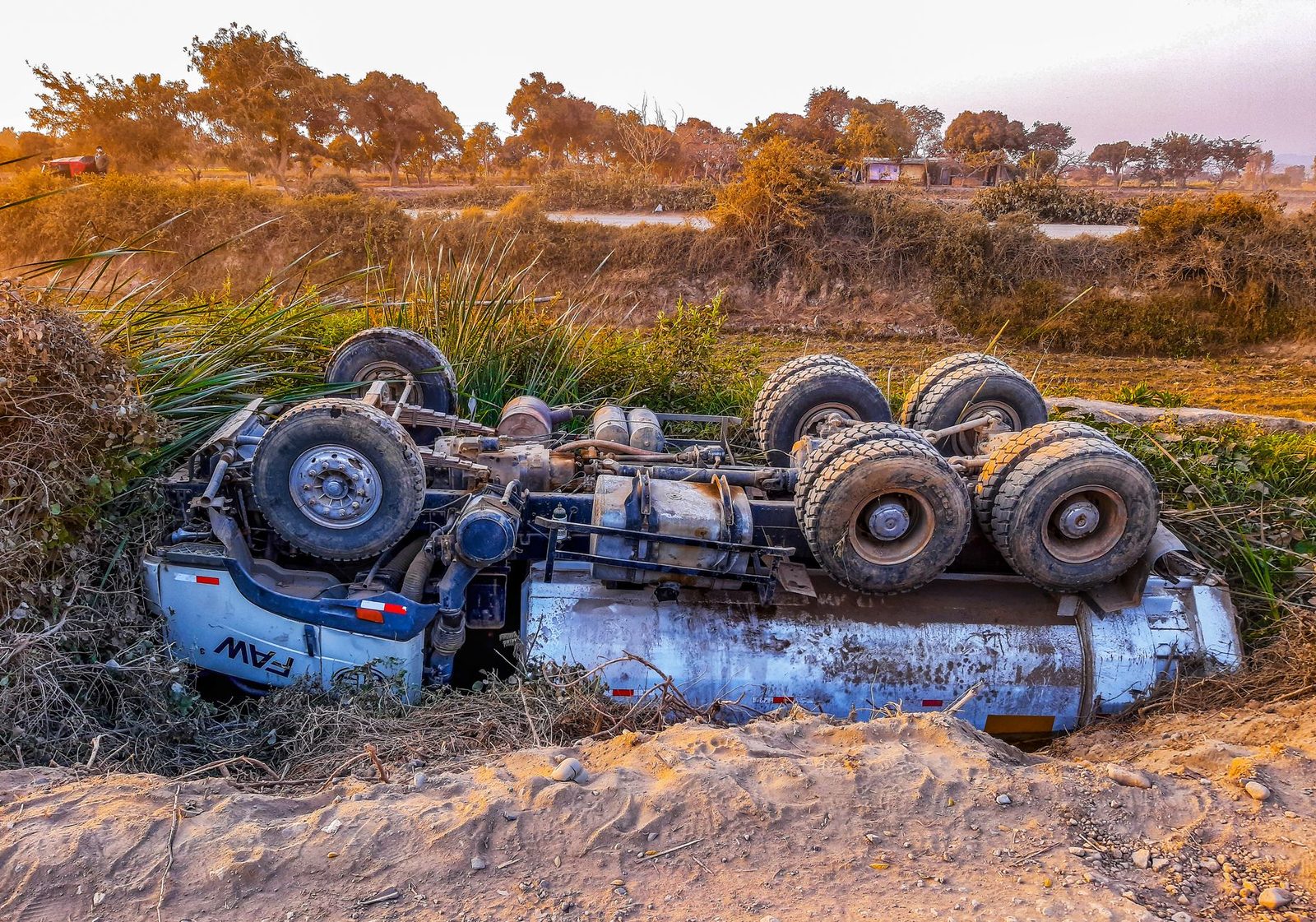
Getting Your Free Case Review After a Tanker Truck Crash
A free case review is a confidential first meeting with the firm, with no obligation to continue. It gives you a chance to explain what happened and ask questions about your situation.
The process usually follows these steps:
- Contact the firm by phone or through the online form.
- Share what happened, who was involved, and where you were treated.
- The firm reviews the crash facts, injuries, and records that may matter.
- The firm explains possible next steps.
You can reach out to the firm to learn what a records review involves and what the next steps may look like. No result can be promised, because each case has its own facts and records.
If you are reading this for a spouse, parent, or adult child hurt in a tanker crash they did not choose, you do not have to face the next steps alone. Tell Bubba what happened in a free case review and let the firm take a look.