
West Virginia Truck Accident Guide
Tractor-Trailer Rollover Injuries: Understanding Your Next Steps in West Virginia
A rollover can happen in seconds and leave lasting injuries. Big Bubba Injury Law helps injured people and families across West Virginia understand their options.
Published October 27, 2026
A tractor-trailer rollover can change a life in seconds. This guide covers tractor-trailer rollover injury West Virginia cases in plain language. You’ll learn how rollovers happen, which injuries are common, who may be responsible, and which deadlines apply. The firm handles car accidents, truck and commercial vehicle accidents, catastrophic injuries, traumatic brain injury, spinal cord injury and wrongful death. We serve Charleston, Huntington, Morgantown and communities across West Virginia.
What a Tractor-Trailer Rollover Is and Who It Affects
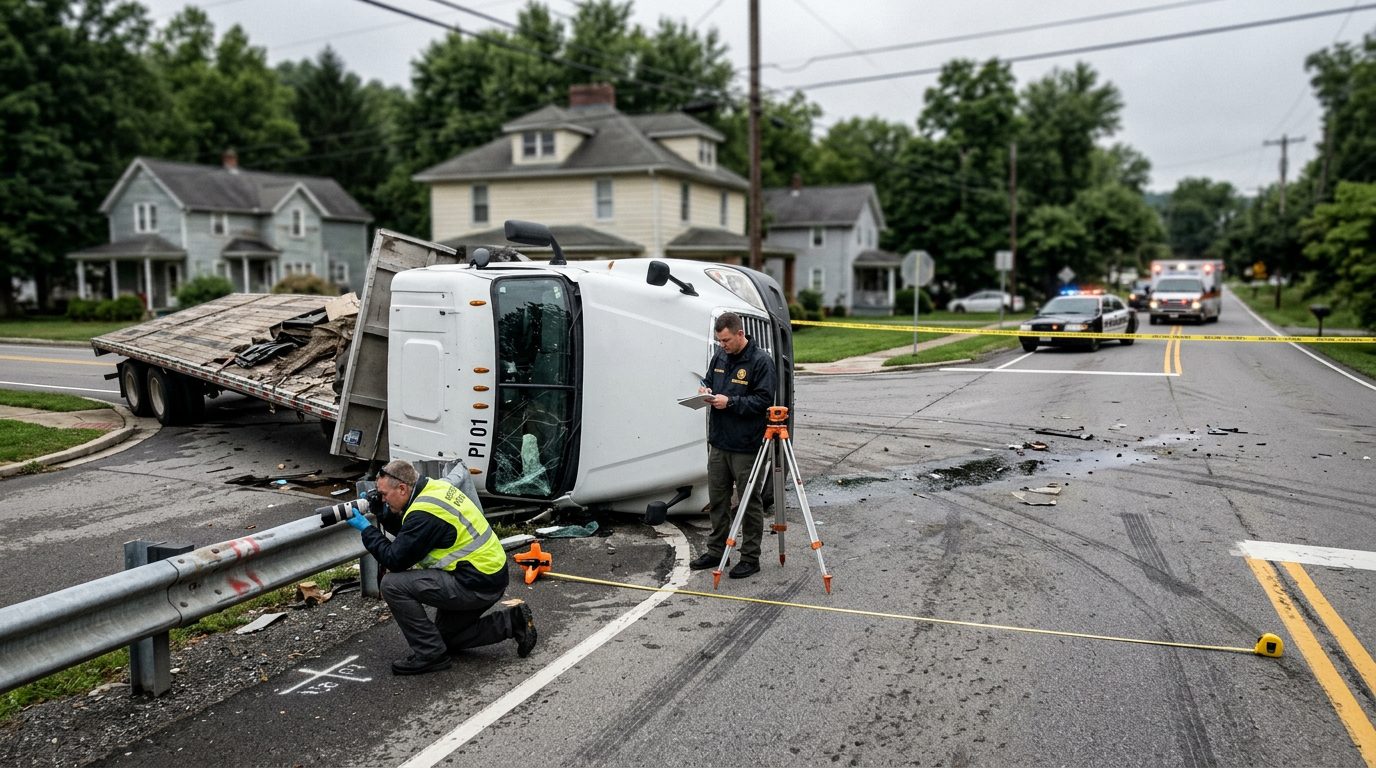
A rollover happens when a tractor or trailer tips onto its side or roof. Often the rig slides or skids after the first impact. It can then strike guardrails, other vehicles or the roadway.
Rollovers are common in tractor-trailer crashes for a few reasons. A loaded truck has a high center of gravity, so it tips more easily than a car. Loads can shift in a turn. Speed on a curve or exit ramp can push the rig past its limit.
This topic affects several groups:
- The truck driver and anyone riding in the cab
- Drivers and passengers in cars struck by or near the rig
- Families of people killed in the crash
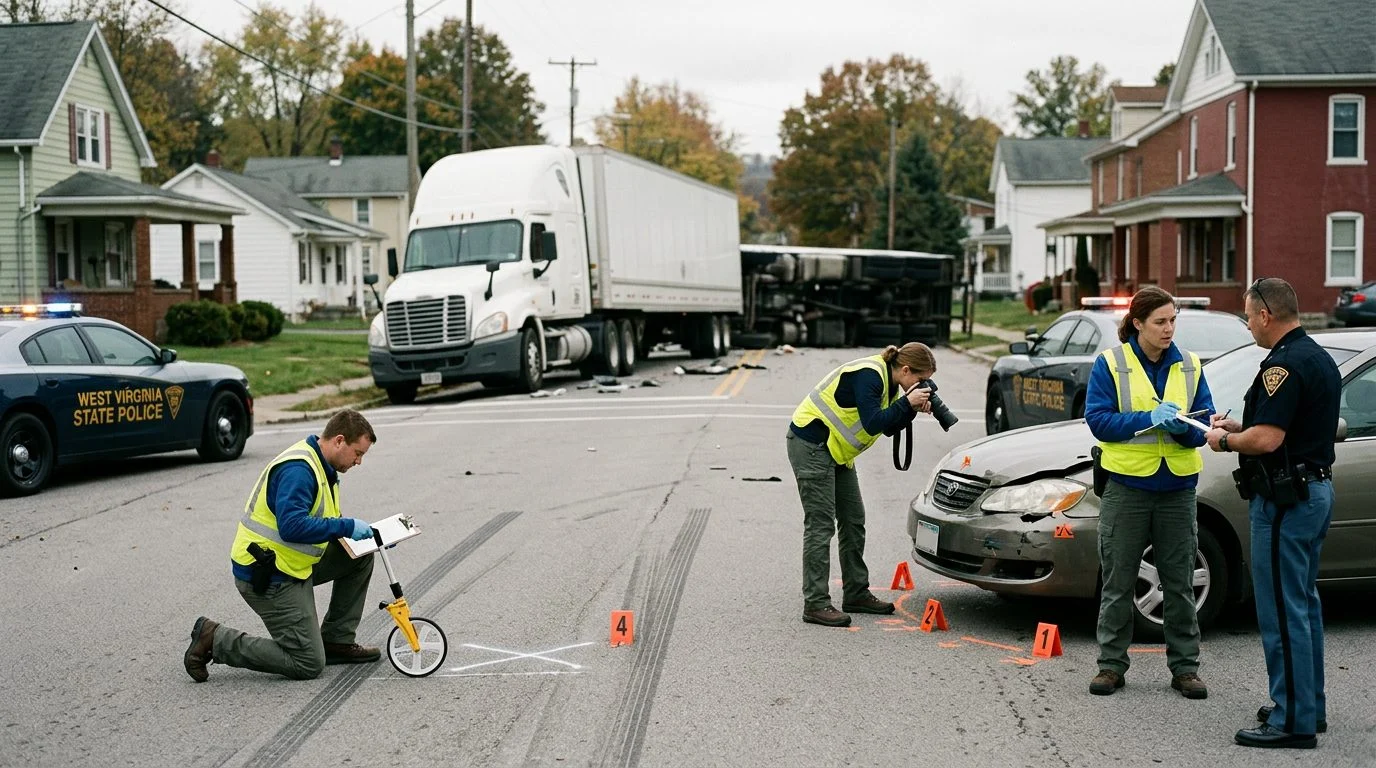
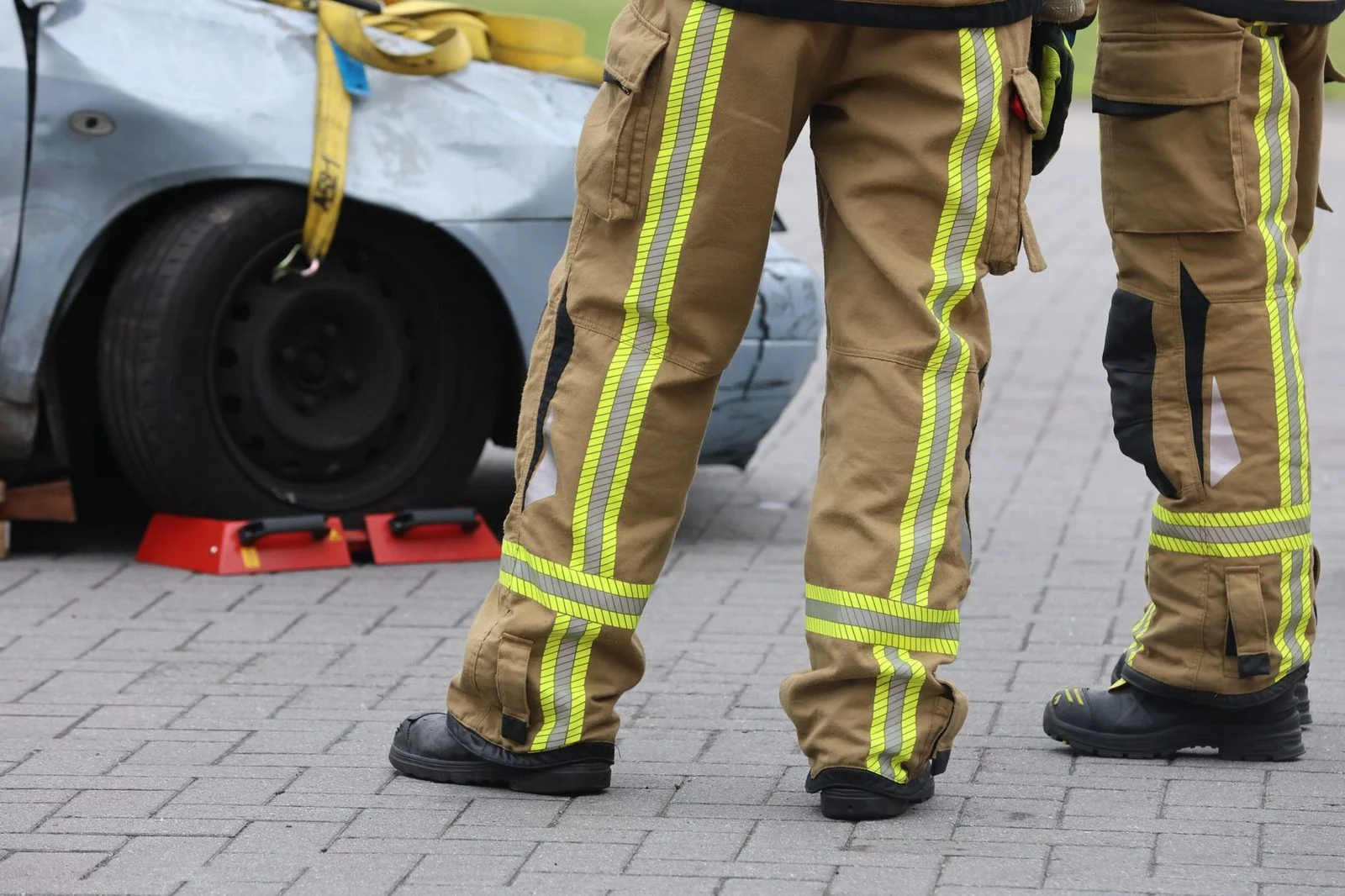
Rollovers can also close lanes, ramps and whole stretches of road. That is why police, fire and rescue crews often respond together.
Not sure what your next step is?
Talk it through with Big Bubba — the first case review is free, confidential, and carries no obligation.
Why Rollovers Happen on West Virginia Roads
Rollovers on West Virginia roads usually have several causes at once.
- Terrain. The state has steep grades, mountain curves and interstate ramps. A speed that feels safe on flat road can be too fast on a bend.
- Cargo. Federal rules require cargo to be firmly immobilized or secured with structures of adequate strength, dunnage, shoring bars or tiedowns (49 C.F.R. § 393.106). Unsecured or unbalanced loads can shift and pull a rig over.
- Driver factors. Fatigue, distraction and braking errors are common contributors. No driver may operate a commercial vehicle when fatigue, illness or any other cause impairs the driver’s ability or alertness so as to make it unsafe (49 C.F.R. § 392.3). Driving-time limits also apply (49 C.F.R. § 395.3).
- Equipment and weather. Tire or brake failure, wind on exposed bridges, ice and wet pavement can all tip a rig.
Investigators often compare a crash against these federal standards.
Injuries That Commonly Follow a Rollover
Rollover injuries are often serious. Some symptoms appear hours or days later.
- Traumatic brain injury: concussions, bleeding and swelling. Memory, balance and mood changes can show up later, so follow-up care matters.
- Spinal cord injury: partial or complete paralysis. Early evaluation by doctors who treat spine injuries helps create a clear medical record.
- Crush injuries and fractures: pinned limbs, broken bones from cab intrusion, trailer walls or being thrown inside the vehicle.
- Burns and exposure: fuel fires, smoke, or chemicals from leaking cargo.
- Internal and chest injuries: these can hide until a doctor checks. Passengers who were not buckled in can be thrown about the vehicle.
- Wrongful death: when a rollover kills someone, families should keep medical examiner reports and crash paperwork.
Serious injuries can keep people off the job for a long time.
Who May Be Responsible After a Rollover
Responsibility depends on the facts of the crash. More than one party can share it. Possible parties include:
- The driver, for speed, fatigue, distraction or ignoring traffic and load rules.
- The motor carrier or employer, for dispatch pressure, hiring and training gaps, or missed maintenance.
- Owners and others in control. As used in W. Va. Code § 55-7-32, the term “employer defendant” covers a commercial motor vehicle’s owner, the employer of the person operating it, and any other person or entity that owns, leases, rents, or otherwise holds or exercises legal control over the vehicle or its operator.
- Loaders, shippers and brokers, when loading or securement choices shifted the load.
- Parts makers and repair shops, when a defect or faulty repair played a role.
Evidence That Matters After a Rollover Crash
Evidence after a rollover is time-sensitive, so early steps matter most. Key items include:
- The crash report, with diagrams, witness details and any citations
- Photos and video of the scene, the rig’s position, the cargo spill and road conditions
- Electronic logging device data, hours-of-service logs, dispatch messages and fuel receipts
- Maintenance, inspection and repair records for the tractor and trailer, plus shipping papers
- Medical records and imaging that connect injuries to the rollover
Evidence can disappear fast. Cargo cleanup, vehicle repairs and road reopening can remove physical proof within hours or days. Carriers must keep records for the minimum retention periods in appendix A to the part; after those periods, records may be destroyed at the discretion of each company’s management, but this does not excuse compliance with any other governmental body’s lawful requirements prescribing longer retention periods (49 C.F.R. § 379.3). Keep a daily journal of symptoms, missed work and activity limits.
West Virginia Law, Insurance, and Filing Deadlines
West Virginia uses comparative fault, not a no-fault system. Under W. Va. Code § 55-7-13a, liability is allocated in direct proportion to each person’s percentage of fault. Your own share of blame can reduce what you recover.
- Personal injury deadline. A personal action for injuries generally must be brought within two years after the right to sue accrued (W. Va. Code § 55-2-12).
- Wrongful death deadline. The action must be brought by the personal representative of the deceased person’s estate and commenced within two years after death, subject to the provisions of section eighteen, article two, chapter fifty-five (W. Va. Code § 55-7-6). W. Va. Code § 55-7-6 reads: “The provisions of this section shall not apply to actions brought for the death of any person occurring prior to July 1, 1988.”
- The first 20 days. Some settlement talks, releases and statements are restricted for 20 days after an injury, while the person is hospitalized or unable to work. Under W. Va. Code § 55-7-11a, a settlement, release or statement obtained in violation of the statute’s limits on early contact after a personal injury may be disavowed by the injured person at any time within one hundred eighty days from the date of the personal injury by executing a written statement of disavowal and forwarding a copy to the person violating this section, and by repaying or returning any consideration paid.
- Insurance. Federal law lets the Secretary of Transportation require motor private carriers to file evidence of financial responsibility (49 U.S.C. § 31139). 49 U.S.C. § 31139 reads: “except that the amount of the financial responsibility must be sufficient to pay not more than the amount of the financial responsibility for each final judgment against the motor private carrier for bodily injury to, or death of, an individual resulting from negligent operation, maintenance, or use of the motor vehicle, or for loss or damage to property, or both.”
Not sure what your next step is?
Talk it through with Big Bubba — the first case review is free, confidential, and carries no obligation.
Frequently Asked Questions About Truck Rollover Injuries in West Virginia
What typically happens in a tractor-trailer rollover?
The truck loses stability in a curve, ramp or sudden move. The load may shift, and the rig can slide into barriers or other vehicles.
Is West Virginia a fault-based or no-fault state?
West Virginia uses fault-based rules. Each party’s share of fault affects what a person can recover.
How long do I have to take action?
West Virginia generally sets two years for personal injury and wrongful death claims. The facts of your case can change how that timing applies.
Can a company be responsible for a driver’s crash?
It can be, depending on the facts.
What to Expect When You Reach Out About a Rollover Injury
Reaching out starts with a free case review, which is confidential and carries no obligation to continue. Here is the usual path:
- Contact the firm. Describe the crash, where it happened and your injuries.
- Take part in your free case review. The firm looks at the crash facts, your injuries and the records you have.
- Preserve evidence. Keep the crash report, medical records, photos and any trucking company letters.
- Look into responsibility and insurance. This can include requesting records from the motor carrier and reviewing the federal and state rules that applied to the truck.
- Pursue the claim. That may mean negotiation or, when needed, filing within West Virginia’s deadlines. Timelines depend on the facts, your medical recovery and how insurers respond.
If a tractor-trailer went over with you or someone you love inside, and you’re weighing what to do next, request a free case review of your rollover injury. Tell the firm what happened, and it can help you see where your claim may stand.