
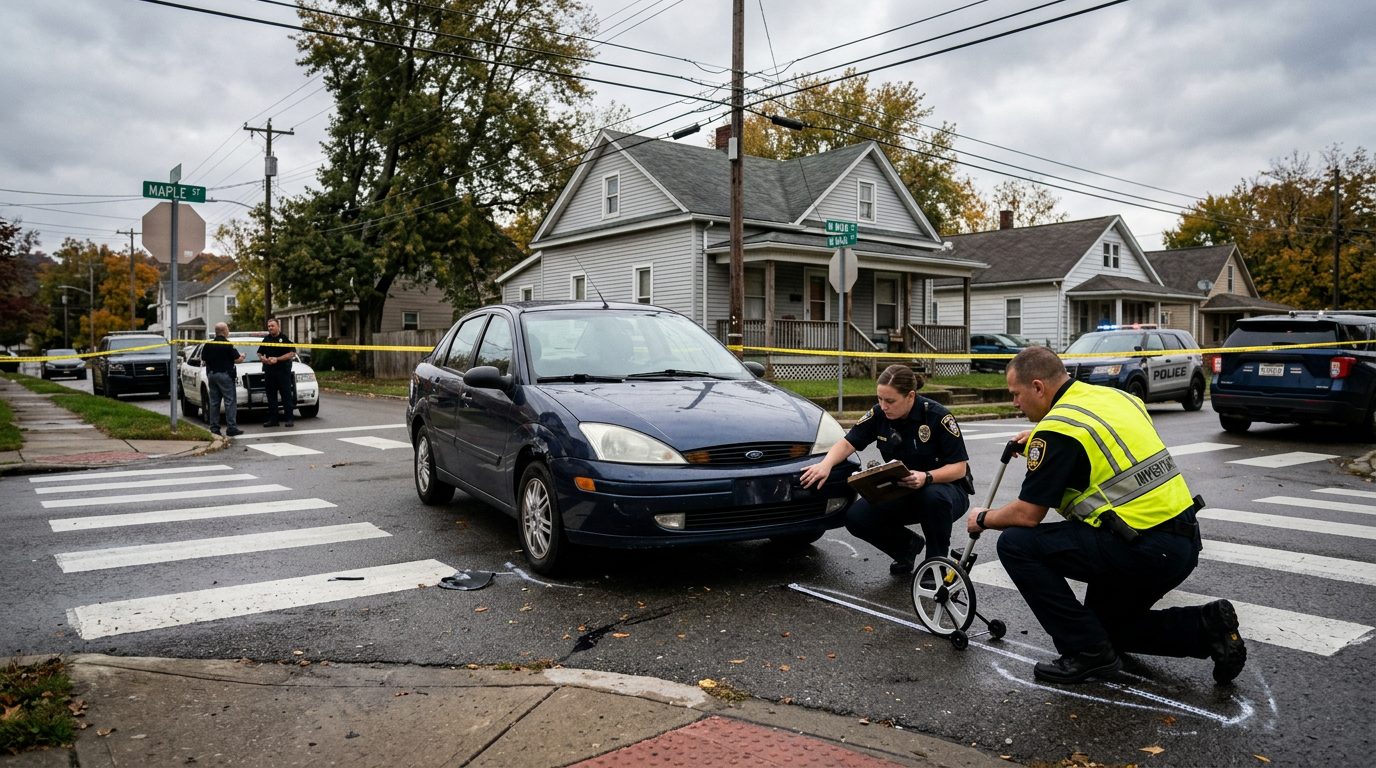
West Virginia Brain Injury Guide
Secondary Brain Injury: What Families Should Know
A brain injury can get worse after a crash. Here is how to recognize the warning signs and how the firm can help your family move forward.
Published November 12, 2026
If someone you love was hurt in a crash, you may have heard the term secondary brain injury from a doctor or seen it in a medical record. Secondary brain injury is damage that develops after the first impact, as the brain reacts to that impact over minutes, hours, or days. It is a process more than a single event.
This page explains what the term means, how it differs from the first injury, and why doctors watch for it so closely.
What secondary brain injury means
Secondary brain injury is harm to the brain that starts after the first injury and changes over time. The word “secondary” refers to timing and cause. It describes damage that follows from the original event rather than happening at the moment of impact.
A head impact can set off a chain of changes inside the skull. Swelling, bleeding, low oxygen, and rising pressure can each injure tissue that was not hurt at first. Doctors often call the first harm the primary injury and the later harm the secondary injury.
Some people assume the second injury is a separate accident. It usually is not. It comes from the same event, and it can unfold over the hours and days that follow. For a wider overview, see our guide to traumatic brain injury after a crash. The U.S. Department of Veterans Affairs also explains what traumatic brain injury is, and it lists motor vehicle crashes as a common cause.
If you are caring for someone after a serious crash and the medical terms feel overwhelming, we invite you to reach out and request a free case review with our team. Talk it through with Big Bubba — the first case review is free, confidential, and carries no obligation.
How secondary injury differs from the initial injury
The initial injury is the damage done at the moment of impact. The secondary injury develops afterward.
Primary injury can include bruising of brain tissue, tearing of nerve fibers, and bleeding that is present right away. Some of this damage shows on early scans. Some does not. The body then begins responding, and that response can add new stress to the brain.
This timing explains why a person may seem stable at first and then decline. Someone who talks, walks, and answers questions in the emergency room may still develop worsening symptoms later. That pattern is one reason medical teams keep watching after the first exam.
Doctors also describe where the damage happens. In a coup injury, the brain strikes the skull on the side of the impact. In a contrecoup injury, the brain strikes the opposite side of the skull. Sheer injury happens when brain tissue of different densities moves at different speeds, which can stretch and tear fibers.
The mechanism of a crash may matter to how an injury develops. A sudden stop or a rollover, for example, can change how the head moves. Whether that matters in a particular case depends on the facts.
Processes that can drive secondary damage
Swelling, bleeding, low oxygen, raised pressure, inflammation, and seizures are the main processes that can add harm after the first injury.
Cerebral swelling (edema). Swelling inside the skull can raise pressure and squeeze healthy tissue. The skull is rigid, so there is little room for swelling to expand.
Bleeding that grows or appears later. Blood can collect in several places. An epidural hematoma is blood between the skull and the outer covering of the brain. A subdural hematoma is blood beneath that covering. Intracerebral bleeding happens inside brain tissue, and subarachnoid bleeding happens in the space around the brain. Some bleeds grow after the first scan, so follow-up imaging matters.
Reduced blood flow and oxygen. Low blood pressure or low oxygen can deprive injured tissue of what it needs. Even short periods can add harm.
Raised intracranial pressure. Pressure inside the skull can limit blood flow to the brain. As pressure climbs, the brain has less room to recover.
Inflammation and chemical changes. The body’s response to injury can add stress to tissue that was already hurt.
Seizures. Seizures can occur after some brain injuries and can add stress to an already injured brain.
How medical teams work to limit secondary damage
Medical teams watch for secondary damage and act to limit it. The plan depends on the injury and the person.
In the first hours and days, teams often use close neurological checks. They may keep blood pressure and oxygen levels within a target range. They may order imaging to track bleeding or swelling. In some cases, doctors monitor pressure inside the skull. They may recommend surgery to relieve pressure or remove a blood clot. Whether surgery is needed depends on the injury.
The West Virginia Department of Health explains traumatic brain injury severity and diagnosis, including what counts as a traumatic brain injury and the effects it can have.
Rehabilitation often starts once the person is stable. Common approaches include balance and movement training, speech and cognitive therapy, and occupational therapy that helps with daily tasks. The mix depends on what the person needs.
Decisions about care belong to the treating medical team. Families can ask questions, take notes, and bring a list of concerns to each visit.
Symptoms that may appear later and why people may not know
Symptoms of secondary injury can appear hours or days after a crash, even when the person seemed fine at first.
Warning signs can include a worsening headache, confusion, drowsiness, vomiting, unequal pupils, weakness on one side, or changes in speech. New or worsening symptoms after a head injury call for prompt medical evaluation.
Do people always know they have a brain injury? Often not right away. Symptoms can be subtle or delayed. They may be mistaken for shock, exhaustion, or the stress of a crash. A person may feel foggy and assume it will pass.
Family members may notice changes first. They might see shifts in mood, memory, or behavior that the injured person does not recognize. Write those observations down with dates and times, and share them with the medical team. The VA overview of traumatic brain injury describes common symptoms and how injuries are grouped by severity.
Why recovery differs from person to person
There is no single recovery timeline for a secondary brain injury. Recovery depends on where the injury is, how severe it is, the person’s overall health, and how quickly and how well care starts.
Some people improve steadily. Others have a slower or uneven course, with good days and setbacks. Medical providers track progress over time, and their notes help show what is changing.
Families often want a date or a number. Medical teams usually cannot give one with certainty. Each person’s course is different, and the treating team is the right source for updates on one patient. No general guide like this one can predict how a particular person will recover.
Not sure what your next step is?
Talk it through with Big Bubba — the first case review is free, confidential, and carries no obligation.
Repeat impacts and second impact concerns
A second head impact before the first has healed can add to the risk of injury. This is a rare but serious concern.
Second impact syndrome describes a condition in which a person has a second head injury before fully recovering from a prior one. Most of what doctors write about it comes from sports medicine, and it is not common.
Why does this matter after a crash? A person hurt in one collision may still be recovering when another impact happens, such as a fall or a second crash. Care teams often ask about recent head impacts, so tell them about every one, even ones that seemed minor. Crash injuries at busy junctions are covered in our guide to intersection car accident injury claims.
How secondary brain injury can relate to a crash claim
Medical records that document the first injury and later changes can matter in a personal injury matter. They help show what happened and how the injury has affected the person.
West Virginia generally allows two years to bring a personal injury action, and exceptions may apply. The W. Va. Code § 55-2-12 sets that period for personal injury claims.
If an injured person dies while a lawsuit is pending, West Virginia law may allow the case to continue through a personal representative, under certain conditions. The rules are in W. Va. Code § 55-7-8a.
Some insurers may dispute a claim or the extent of an injury. Records that show each stage of care can help answer those questions.
If the other driver left the scene, our guide to hit-and-run crash claims covers related questions. For fractures that happened alongside a head injury, see broken bones crash claims.
If you’re reading this while caring for a family member after a serious crash, the medical terms and paperwork can feel like too much at once. You don’t have to sort it out alone. The firm handles car, truck, and commercial vehicle crash claims involving serious brain and spinal cord injuries and wrongful death. You can request a free case review to talk through what happened.