
Car and Truck Accident Claims | West Virginia
Drug Testing After a Crash: When It Applies
Learn which drivers may be tested, who can order a test, and how these questions can fit into an injury claim.
Published November 27, 2026
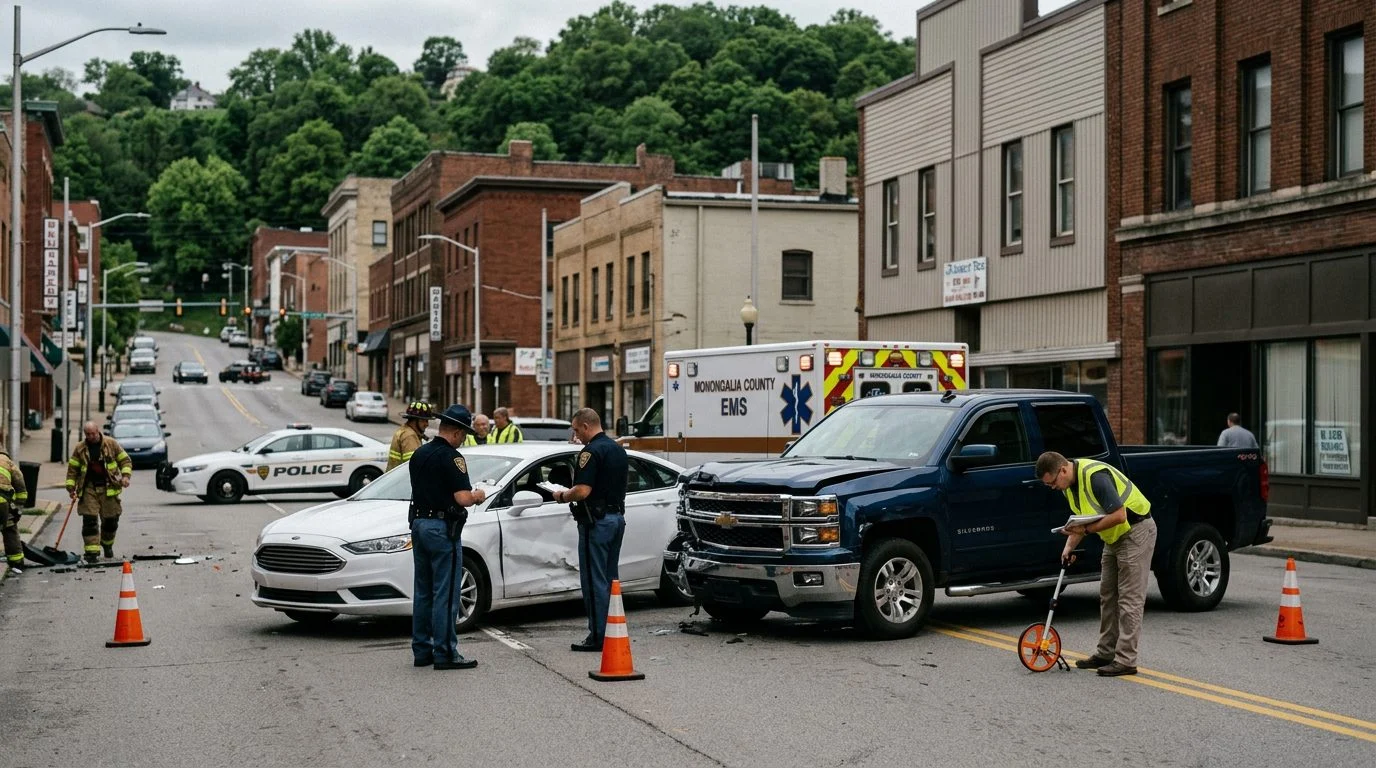
After a crash, many people wonder whether they or the other driver will be drug tested. The answer depends on the vehicle, the crash, and who is involved.
Short Answer: Do They Drug Test After an Accident?
Not every crash leads to a drug test after an accident. Federal rules require post-accident testing for certain commercial drivers in certain crashes. Other drivers may be tested when police, an employer, or a hospital asks or orders it.
The federal rules cover commercial motor vehicles on public roads, so a private car crash usually falls outside them. Police and hospitals can also play a role, and the sections below explain how.
Commercial drivers have their own federal rules, and many employers add testing policies of their own. Federal rules say they don’t limit an employer’s authority over alcohol or controlled substance use, including testing, except as those rules expressly provide (49 CFR § 382.111).
For a broader guide, read truck accident claims in West Virginia.
If a drug or alcohol test was requested after a crash you were in, you don't have to sort out the records alone. Ask us for a free case review. Talk it through with Big Bubba — the first case review is free, confidential, and carries no obligation.

When Federal Rules Require Testing for Commercial Drivers
Federal rules require employers to test surviving commercial drivers after certain crashes on public roads. An alcohol test is required if the crash caused a death.
Testing for alcohol is also required when a driver receives a moving traffic citation within 8 hours of the crash for a violation arising from the accident, if the crash involved bodily injury needing immediate medical treatment away from the scene or one or more vehicles with disabling damage requiring a tow away; for controlled substances the citation window is 32 hours. That citation must go with either an injury that needed immediate treatment away from the scene, or disabling damage that required a tow.
Drug testing follows the same triggers. The test must happen as soon as practicable (49 CFR § 382.303).
Timing matters. If an alcohol test isn’t given within two hours, the employer must keep a record of why. After eight hours, the employer must stop trying. For drug tests, the employer must stop trying after 32 hours.
A surviving driver who is subject to post-accident testing must stay readily available for testing. The rules also say the testing requirements do not require delaying necessary medical attention for injured people. A driver may leave the scene for the period necessary to get assistance in responding to the accident, or to get necessary emergency medical care.
Drivers required to take a post-accident alcohol test may not use alcohol for eight hours after the crash, or until the test is done, whichever comes first (49 CFR § 382.209).
Each crash’s facts decide whether these rules apply. Our commercial driver testing guide explains how the process works.
Testing After Car Accidents and Other Crashes
Federal post-accident rules are written for commercial motor vehicles. They generally don’t reach a private car crash.
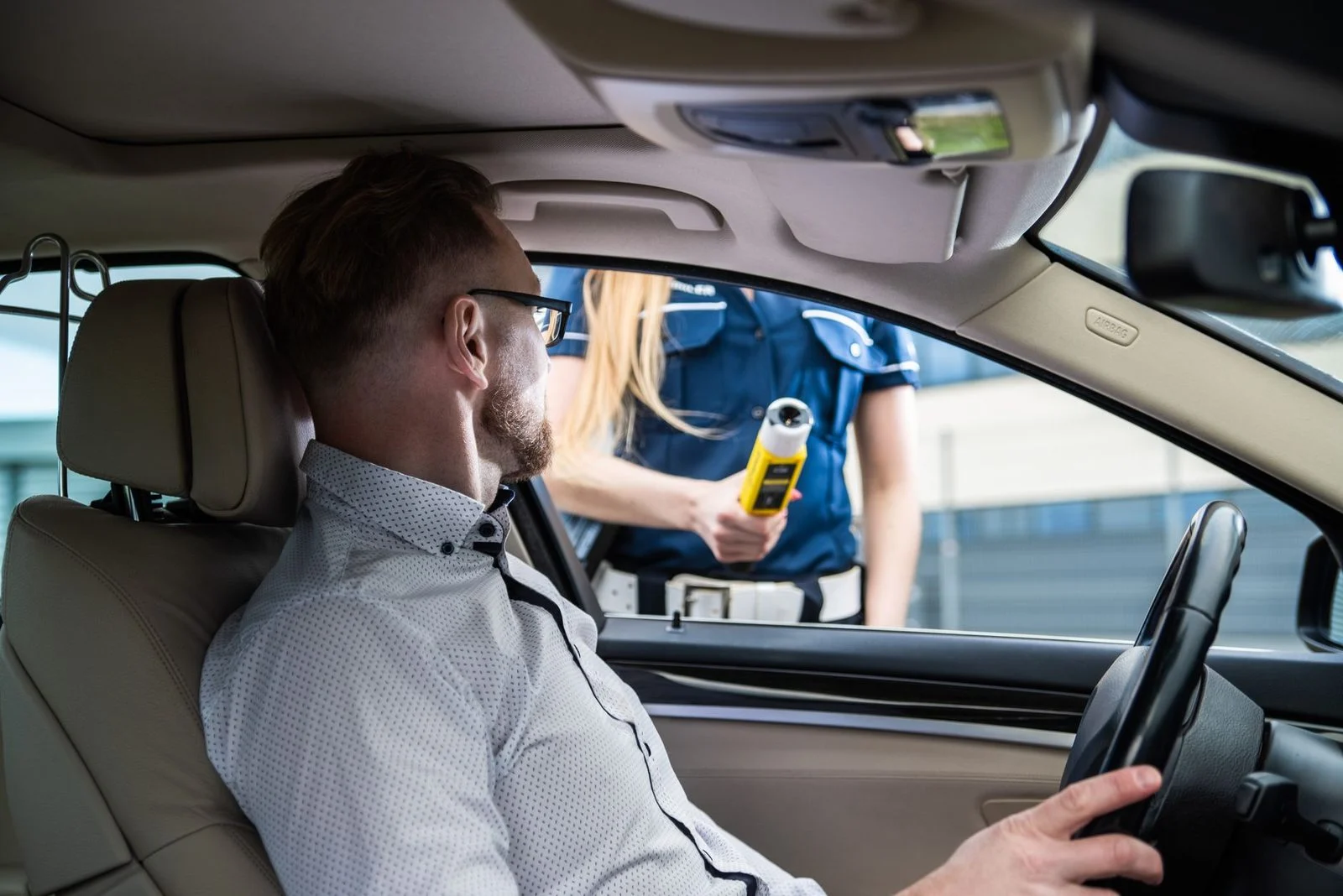
That doesn’t mean nobody gets tested. Police may ask a driver to submit to testing when they suspect impairment. In West Virginia, a person who drives a commercial motor vehicle within the state is deemed to have given consent to blood, breath or urine tests for alcohol concentration or other drugs; an officer who has lawfully stopped or detained the driver and has reasonable cause to believe alcohol was in the driver’s system may direct a test (W. Va. Code § 17e-1-15).
Hospitals may also draw blood or urine during emergency treatment for medical reasons. Those results become part of the medical record. That record may matter later in a claim.
Employers add their own rules, too. A company that owns or leases a work vehicle may have a post-accident testing policy. That policy may apply even where federal rules do not.
When you’re hurt, your health comes first. Still, ask what test was done, who requested it, and where the sample went. A test requested at the scene is not the same as one ordered later at a hospital, so keep track of which one happened.
Why One Positive Result Is Not the Whole Story
A test result is one piece of evidence. It needs to be read with the rest of the crash record.
For commercial drivers under federal rules, controlled substance results go through a medical review officer. Federal rules say these officers report results to employers under Part 40, Subpart G of Title 49 (49 CFR § 382.407).
Prescriptions matter. Federal rules bar drivers from using Schedule I drugs while on duty, but allow a non-Schedule I drug a licensed medical practitioner prescribed, when that practitioner knows the driver’s medical history and has advised it won’t adversely affect safe driving (49 CFR § 382.213). 49 C.F.R. § 382.213 reads: “(b) No driver shall report for duty or remain on duty requiring the performance of safety-sensitive functions when the driver uses any non-Schedule I drug or substance that is identified in the other Schedules in 21 CFR part 1308 except when the use is prescribed by a licensed medical practitioner, as defined in § 382.107, who is familiar with the driver’s medical history and has advised the driver that the substance will not adversely affect the driver’s ability to safely operate a commercial motor vehicle.”
Schedule I drugs are different. A driver may not report for duty or stay on duty for safety-sensitive work while using one.
A result may show a substance was present. It may not show when it was used or how it affected the driver.
Investigators look closely at impairment in serious crashes. The NTSB impaired driving study covers alcohol-, drug- and multiple-drug-impaired driving in fatal crashes.
Read results alongside the police report, the medical records, and the crash facts.
Refusing or Missing a Required Test
Federal rules do not allow a driver to refuse a required post-accident test. A driver may not refuse a required post-accident alcohol or controlled substances test. No employer may let a driver who refuses keep doing safety-sensitive work (49 CFR § 382.211).
A driver who isn’t readily available for testing can also be deemed by the employer to have refused (49 CFR § 382.303).
West Virginia adds its own steps.
Under W. Va. Code § 17e-1-15, if a commercial driver refuses testing, or submits to a test showing an alcohol concentration at the level set by statute, the law-enforcement officer must submit a sworn report to the Division of Motor Vehicles. The commissioner then orders the license revoked and disqualifies the driver from commercial driving for a set period ([W.
Refusing a preliminary breath test, or having any measurable alcohol while driving a commercial motor vehicle, means the driver shall be placed out of service for 24 hours by the arresting officer (W. Va. Code § 17e-1-14).
Under W. Va. Code § 17e-1-14, a person who drives a commercial motor vehicle with an alcohol concentration at the level set by statute is guilty of a misdemeanor, in addition to any other penalties provided by the code. Penalties include jail for 24 hours to six months and a fine of $100 to $500 for a first offense ([W.
If you’re unsure whether a request is required, ask the officer or employer to explain it. Write down the answer.
Questions to Keep Track of After a Crash Involving Testing
Keep a written record of every test request. Note who asked for the test, when the sample was collected, what kind of test it was, and where it happened.
Keep copies of the police report, the medical records, and any employer or testing site paperwork you receive. Organizing these early makes them easier to review later.
Think before giving a recorded statement to an insurance company. Go over the testing questions and the crash facts first, so you can compare what you say with the records.
Testing questions often overlap with questions about fault, injuries, and damages. Reviewing them together gives a clearer picture of what the records show.
If a drug test after an accident was requested or completed after a crash you were in, you don’t have to sort through the records alone. The firm handles truck accident, commercial vehicle, car accident, catastrophic injury, and wrongful death claims across West Virginia. You can request a free case review to talk through the testing questions and the records involved.